10 essential skills every prepper should master
Master these essential prepping skills to boost your self-reliance and readiness for any situation. Learn practical tips for survival and emergency preparedness.
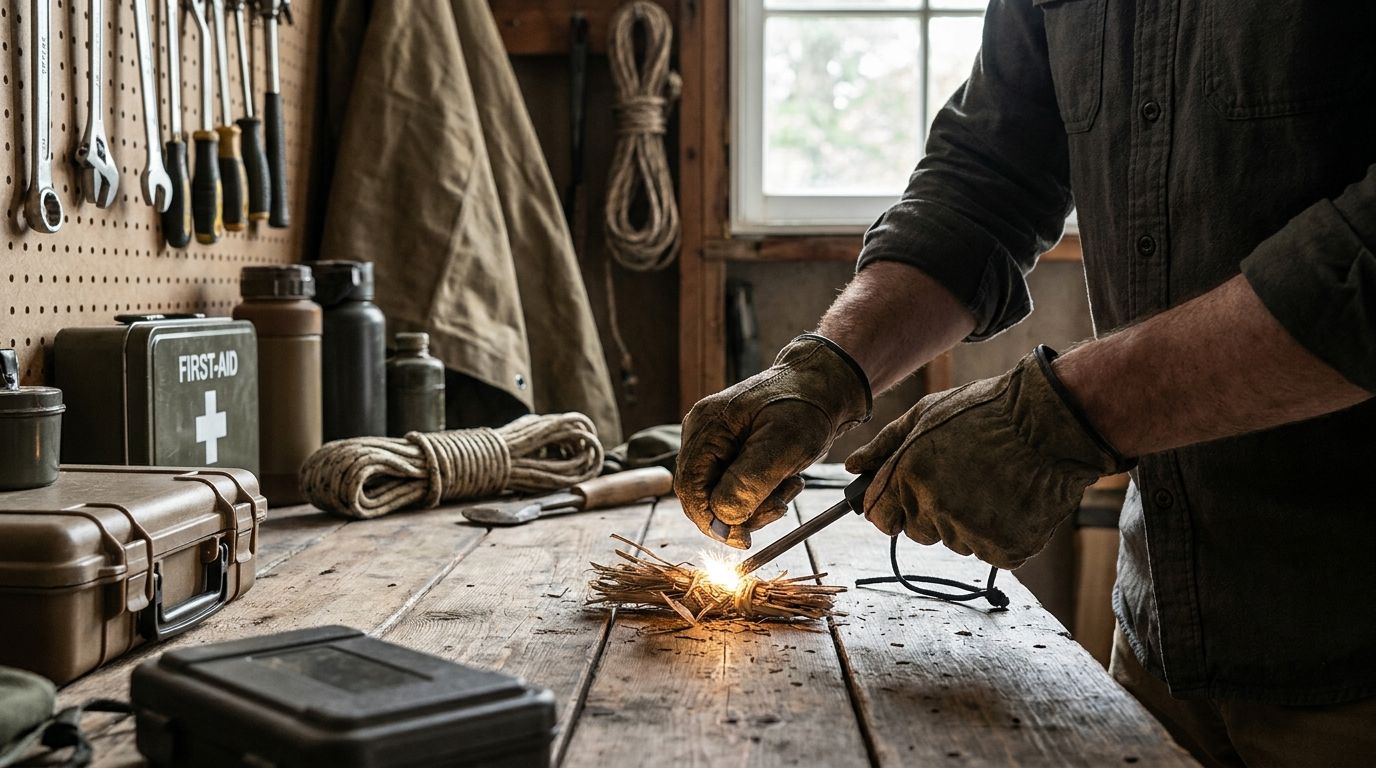
You're in your backyard, sun dropping behind the tree line, just wrapping up a fire-starting drill. That quiet satisfaction hits different when you know the skill is real, not theoretical. Prepping isn't only about stacking gear and rotating cans. It's about building the competence to act when things go sideways. Here are ten skills worth your time.
1. Fire-making techniques
Fire is one of the most critical survival skills. It provides warmth, cooks food, and can signal for help. Knowing how to start a fire under various conditions is essential.
Practice multiple methods: the classic match-and-tinder setup, the friction-based bow drill, and a modern ferrocerium rod. Picture a wet-weather camp scenario where your matches are soaked and the wood around you is damp. If you've put in bow-drill reps, you can still pull heat from dry grass or inner bark. That's the difference practice makes.
Tips for mastering fire-making:- Always carry multiple fire-starting tools.
- Experiment with different tinder materials, both natural and man-made.
- Practice in various weather conditions, so you're prepared.
2. First aid and basic medical skills
In emergencies, knowing how to treat injuries can save lives. You don't need to be a doctor, but basic first aid skills are non-negotiable.
Say someone on a hiking trip twists an ankle three miles from the trailhead. If you can improvise a splint from what's around you and wrap a compression bandage correctly, you've just bought them a safe walk out. Get certified in CPR and first aid through the American Red Cross. Their courses cover everything from wound management to spotting a heart attack.
Key first aid skills to master:- Bandaging wounds effectively.
- Recognizing and treating shock.
- Performing CPR.
3. Navigation skills
In a crisis, GPS devices may fail, and knowing how to navigate using a map and compass is vital. This skill can help you find your way out of unfamiliar terrain or back to safety.
Your phone dies mid-hike. No signal, no map app, no breadcrumb trail. If you've trained with a topo map and compass, you read the terrain, pick your landmarks, and move with confidence. Do it in the field regularly, not just in your living room with a YouTube tutorial running.
Navigation tips:- Familiarize yourself with reading topographic maps.
- Learn to use a compass in conjunction with a map.
- Practice navigating in various terrains and conditions.

4. Food foraging and preservation
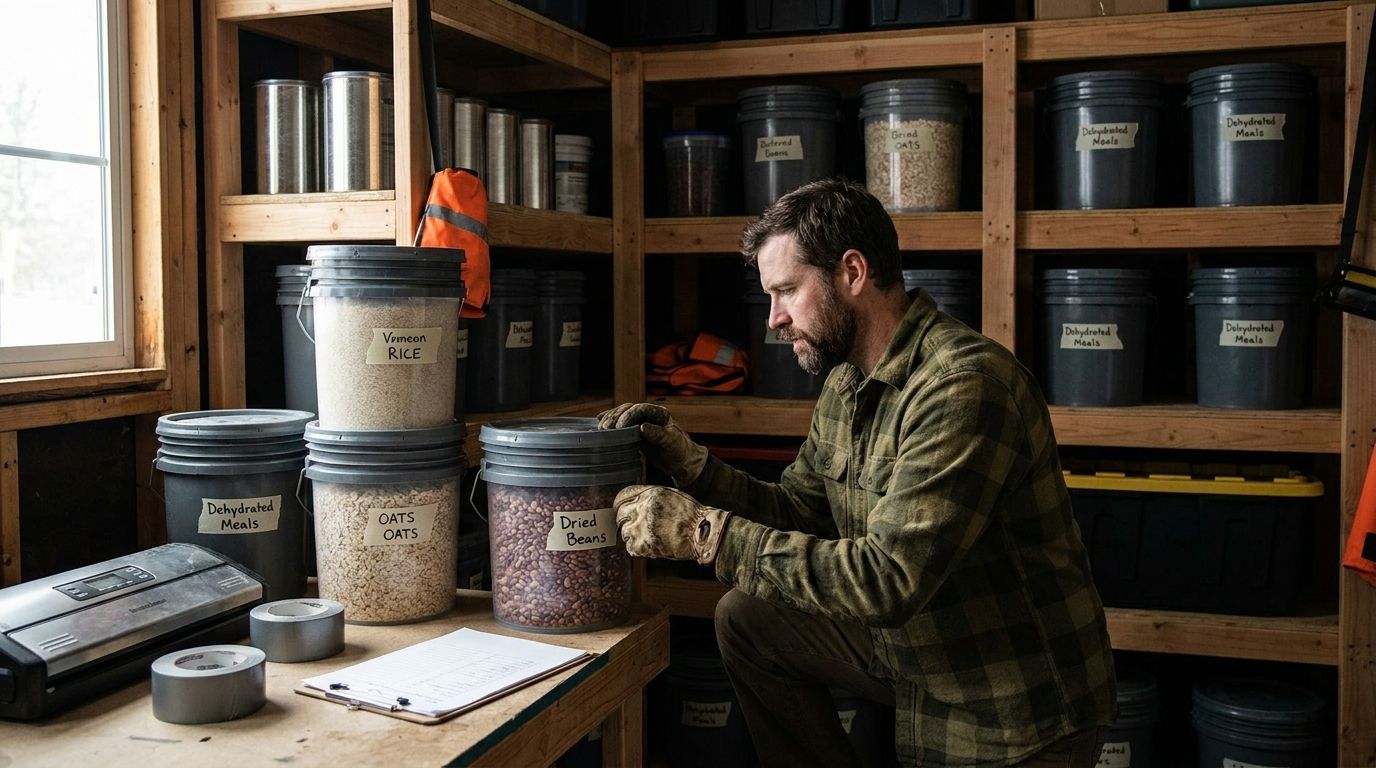
Knowing how to find and preserve food can be a lifesaver. Foraging teaches you about local edible plants, while preservation techniques ensure you do not waste what you gather.
You've got a field-dressed rabbit and no refrigerator. Knowing how to smoke or dehydrate that meat means you eat for days, not hours. Foraging runs parallel to that, identifying wild mushrooms or edible berries in your specific region. Do the homework before you're hungry. Toxic lookalikes are real, and misidentification has consequences.
Foraging tips:- Learn local edible plants and their properties.
- Practice preservation methods like canning or drying.
- Always have a guidebook or app handy for identification.
5. Self-defense techniques
Personal safety is paramount. Knowing how to defend yourself can make a significant difference in a dangerous situation. While it's not about being overly aggressive, understanding basic self-defense techniques helps you feel empowered and secure.
A confrontation can go from verbal to physical fast. If you've trained, you know how to read the situation, de-escalate when possible, and protect yourself when it isn't. Find a local class or a reputable online program, and actually put in the reps.
Self-defense skills to focus on:- Basic strikes and blocks.
- Awareness of your surroundings.
- Techniques for escaping a hold or grab.
6. Water purification methods
Water is essential for survival, and knowing how to purify it is a critical skill. Contaminated water can lead to illnesses that can put your life at risk.
Multi-day hike, clean water gone by day two. If you can boil from a stream, run water through a filter, or drop purification tablets, you stay hydrated and functional. Always carry a backup. A quality portable filter weighs almost nothing, so there's no reason not to have one.
Water purification techniques:- Boiling water for at least one minute.
- Using portable filters or UV light purification.
- Understanding the importance of collecting water from clean sources.
7. Basic mechanical and repair skills
Having mechanical skills can save you time and money, whether you need to repair your vehicle or fix gear. Understanding basic mechanics can help you troubleshoot issues and perform minor repairs.
Broken down on a remote two-track with no cell signal is a bad time to realize you don't know how to check your own electrical system. Learn your vehicle. Know how to check oil, read tire pressure, trace a basic wiring issue. Start with your own rig, then expand to your gear.
Mechanical skills to master:- Regular vehicle maintenance like oil changes and tire rotations.
- Basic electrical troubleshooting.
- Understanding how to repair or maintain your gear.
8. Gardening and sustainable practices
Growing your own food can provide a reliable source of nutrition. Understanding gardening and sustainable practices ensures you can produce your own food, even in challenging times.
When supply chains buckle (and they do), the guy with a productive raised bed is eating fresh while everyone else is burning through their stockpile. Start small. Tomatoes, herbs, leafy greens. Build from there as you figure out what grows well in your soil and climate.
Gardening tips:- Start with container gardening if space is limited.
- Learn about seasonal planting and crop rotation.
- Explore permaculture principles for sustainable practices.
9. Communication and signaling skills
In an emergency, effective communication can help you find help or signal for rescue. Knowing how to use various signaling methods can increase your chances of being located.
Lost in the backcountry with a whistle and a signal mirror. Used correctly, that mirror can throw a flash visible for miles. Learn the full toolkit: hand signals, emergency flares, ground-to-air patterns. Practice before you need them, because fumbling with unfamiliar gear under stress costs time you may not have.
Communication techniques to master:- Using whistles and mirrors for signaling.
- Understanding basic hand signals.
- Practicing how to communicate your location.
10. Emotional resilience and mental preparedness
Prepping isn't just about physical skills; mental preparedness is equally vital. Being emotionally resilient can help you cope during crises and make rational decisions.
After a serious disaster, the people who hold it together aren't the ones who got lucky. They're the ones who did the mental work ahead of time. Mindfulness, stress inoculation, a solid support network. These aren't soft add-ons to a prep plan, they're core components of it.
Mental preparedness techniques:- Practice stress-reduction techniques like mindfulness or meditation.
- Stay informed about community resources.
- Build a support network for emotional support in tough times.
FAQ
What are the most important prepping skills?
The most important prepping skills include fire-making, first aid, navigation, food foraging, and self-defense. Mastering these skills can significantly enhance your readiness for emergencies.
How can I learn survival skills?
You can learn survival skills through books, online courses, and hands-on workshops. Look for local classes that focus on specific skills you're interested in, like first aid or foraging.
Is gardening a necessary skill for preppers?
Yes, gardening is a valuable skill for preppers. It allows you to grow your own food, ensuring a reliable source of nutrition, especially during emergencies when supplies may run low.
How do I improve my emotional resilience?
Improving emotional resilience involves practicing mindfulness, staying informed about potential risks, and building a supportive community. These strategies help you cope with stress during crises.
What should I focus on first as a beginner prepper?
As a beginner prepper, focus on the basics: fire-making, first aid, and food foraging. These foundational skills will help you feel more confident as you expand your prepping knowledge.
Real readiness is built in reps, not purchases. Pick one skill from this list, block time this week, and actually work it. Light a fire in bad conditions. Read a topo. Wrap a mock ankle injury. Every hour you spend practicing now is an hour you won't spend guessing when it counts.
Want this handled automatically? See the Mainstay membership.
Subscribe to comment
Join the Mainstay newsletter to leave a comment — and get new field notes in your inbox.
Get new field notes in your inbox
Practical, calm preparedness — one useful note at a time.