Practical preparedness, written plainly.
Mission-tested thinking on supplies, planning, and staying ready — from the team building Mainstay.
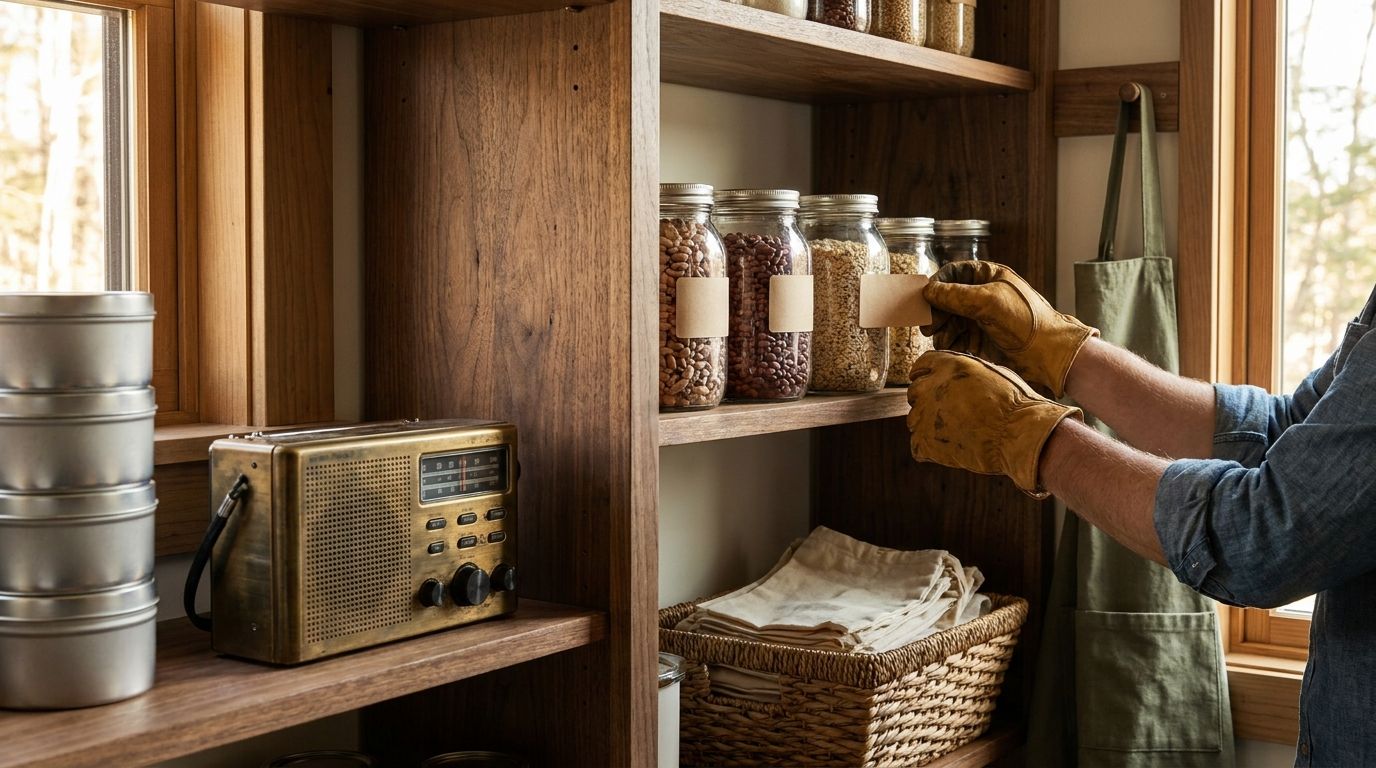
Build a shelf-life map: labeling that tells you what expires first
A shelf-life map turns guessing into a simple visual system. You’ll know what expires first, refill faster, and keep inventory rotation clean.
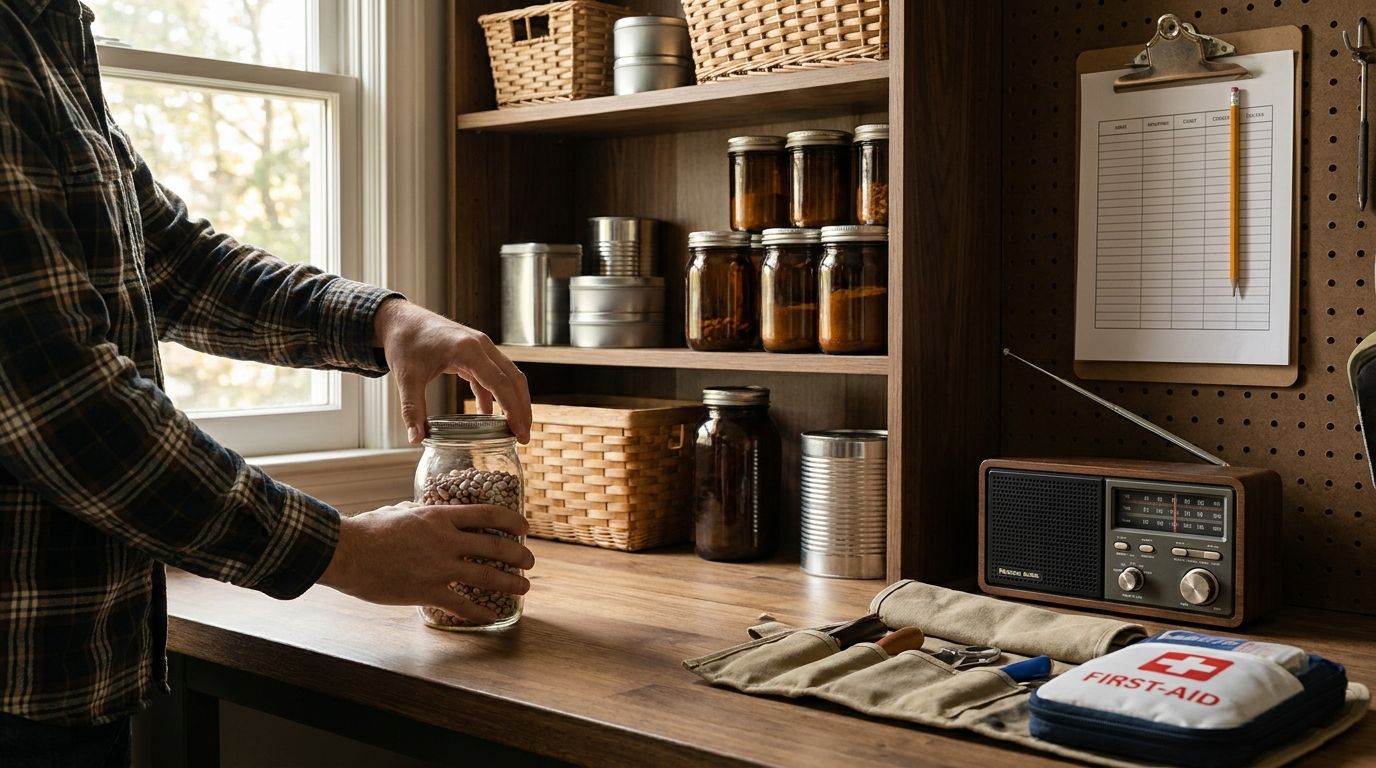
Inventory on Autopilot: How to Set Reorder Points for Every Supply Category
Set reorder points once, then let your prepper inventory system do the thinking. You get a restock schedule you can actually follow.
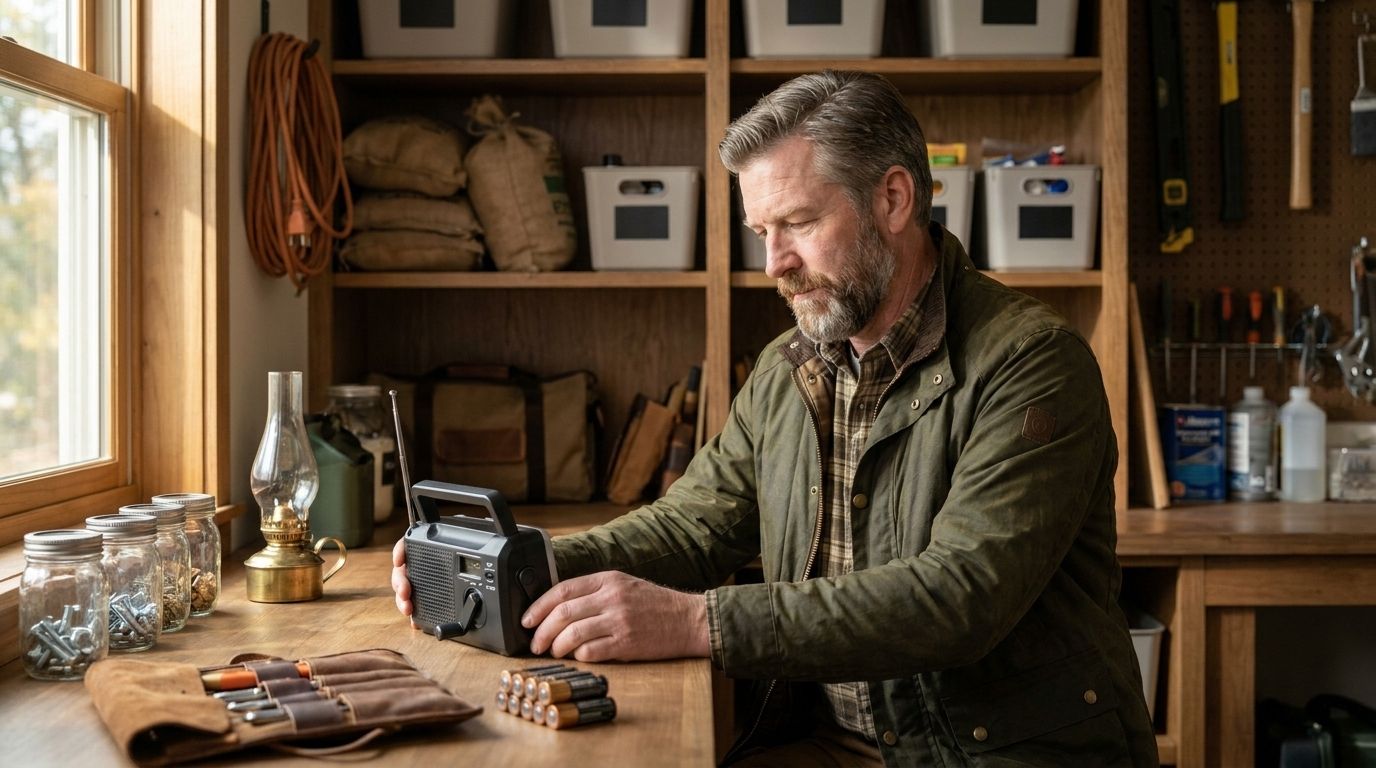
The 10-minute audit routine: a simple weekly check that keeps you ready
Your supplies don’t need a makeover. They need a weekly check. Here’s a 10-minute audit routine that makes inventory tracking feel doable.
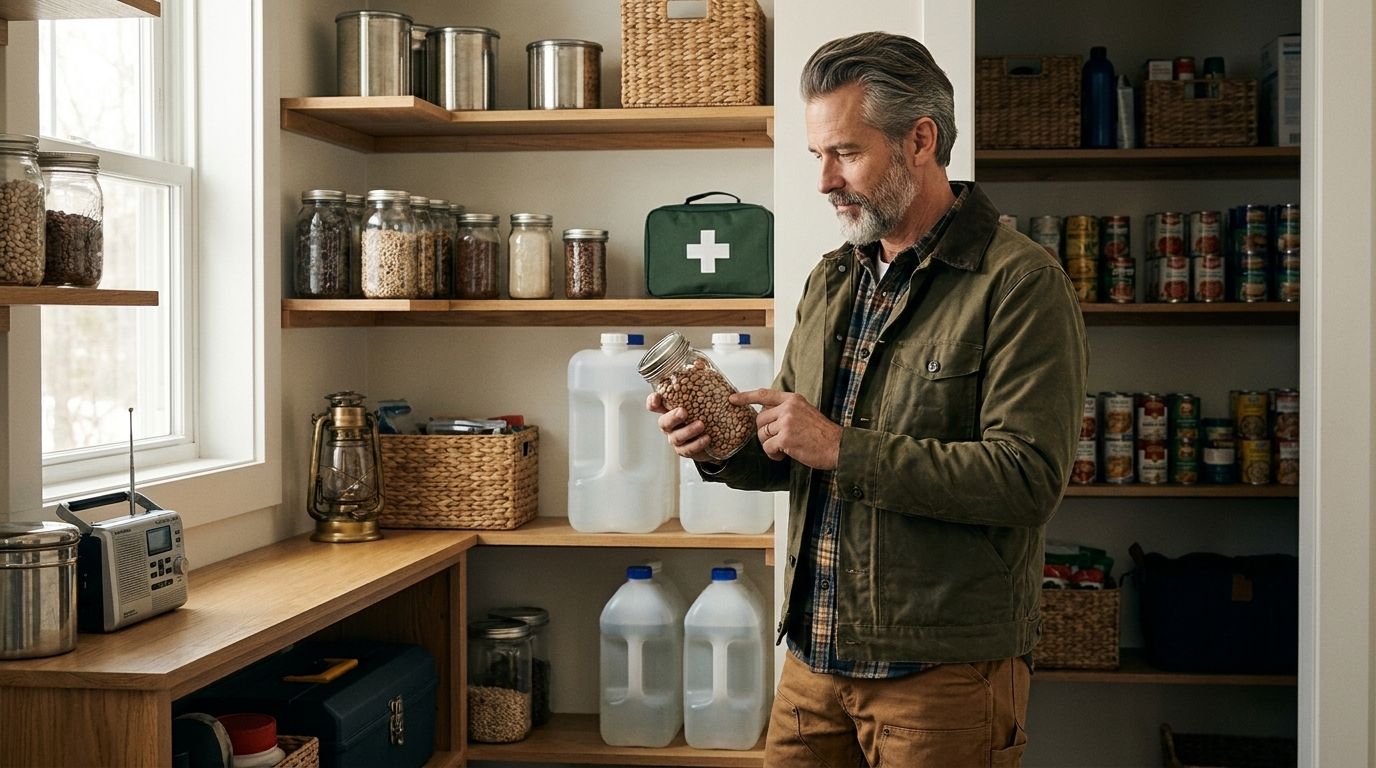
Power, Heat, and Comfort: Choosing a Backup Setup That Fits Your Home
A quiet plan for backup power and heating options that actually match your house, your habits, and your comfort needs.
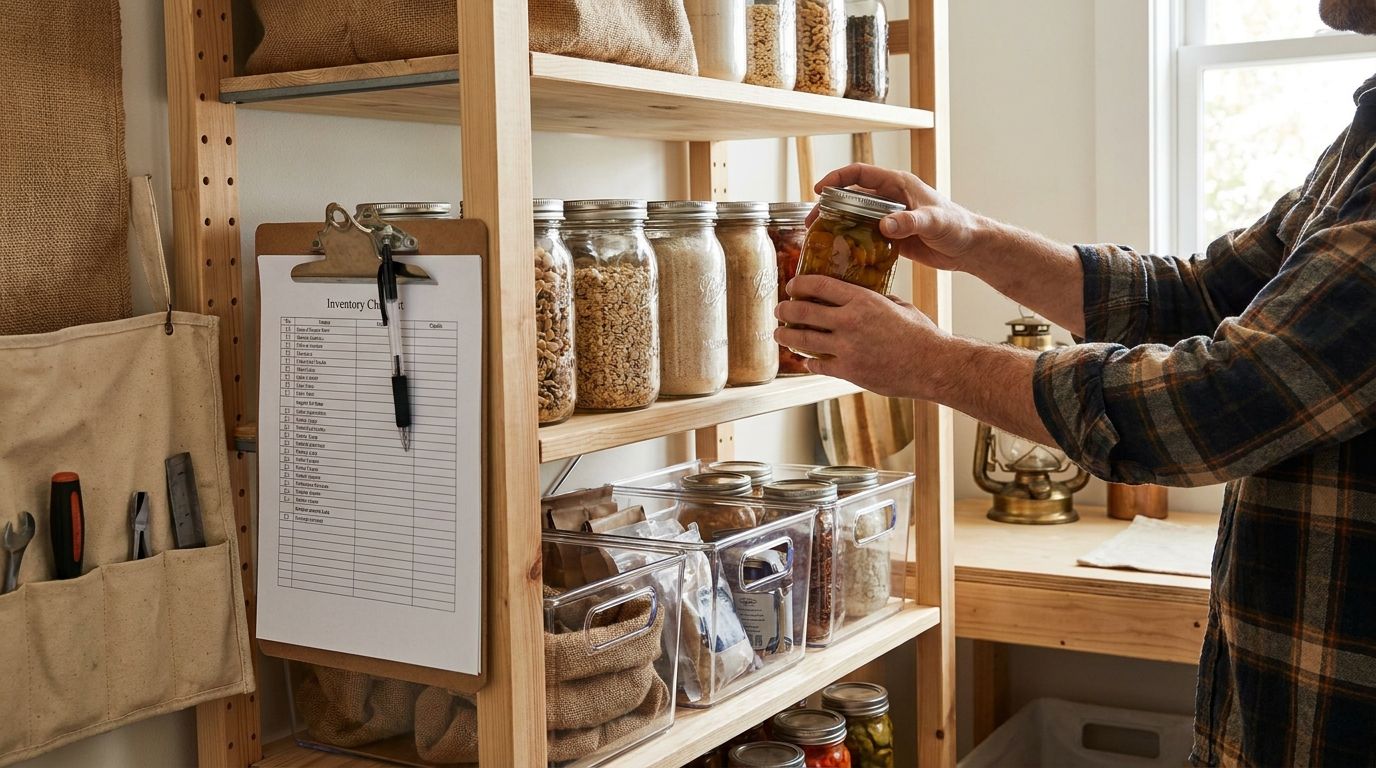
The Everyday Readiness System: Inventory → Rotate → Document (Without Overthinking)
Turn readiness into a household habit. Build a simple inventory, rotate supplies on schedule, and document what matters.
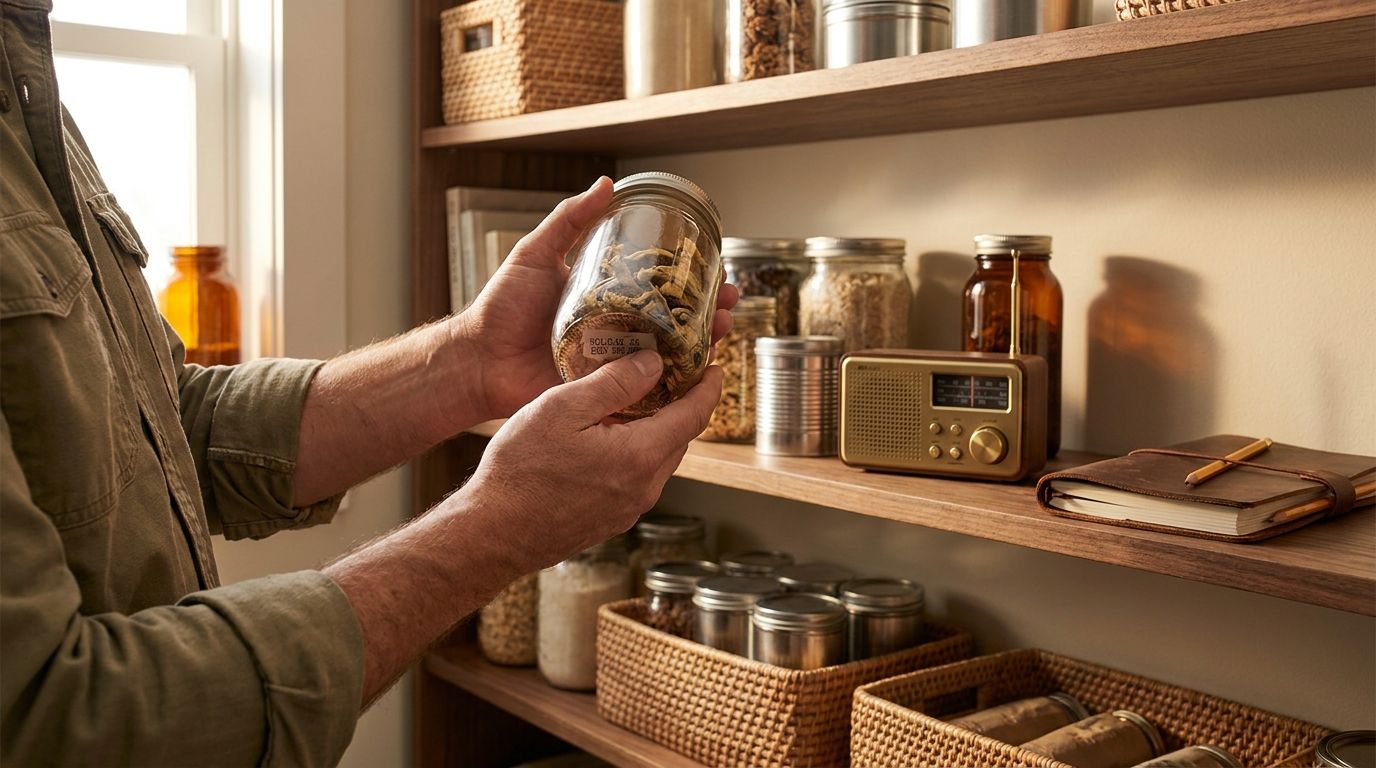
Expiration date you can trust: how to read labels like a pro
That moment you find a pantry item with a date that feels confusing? This guide turns expiration dates into a clear, usable system.
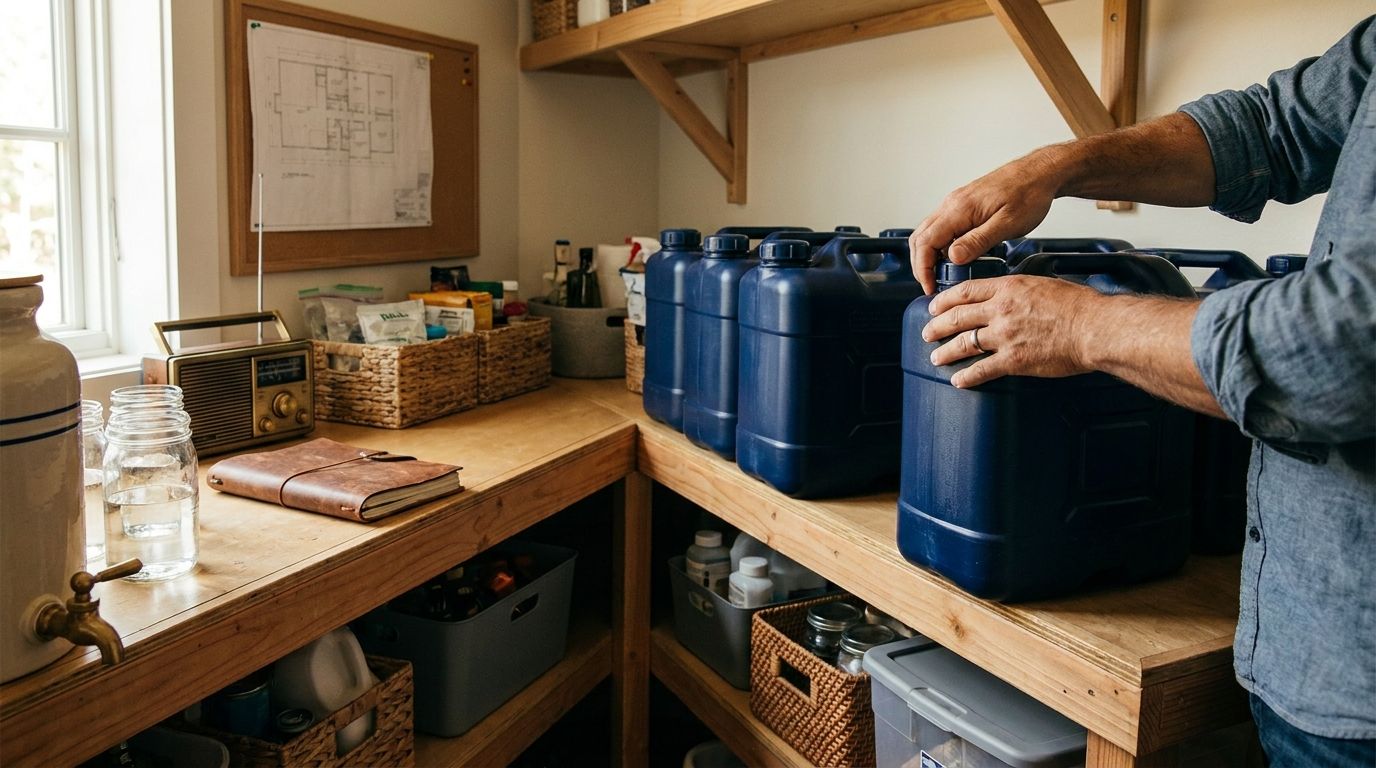
Water plan for real life: how much water to store by household size and scenarios
You can calculate emergency water supply in minutes. Use household size and realistic scenarios to set a storage number you can actually maintain.
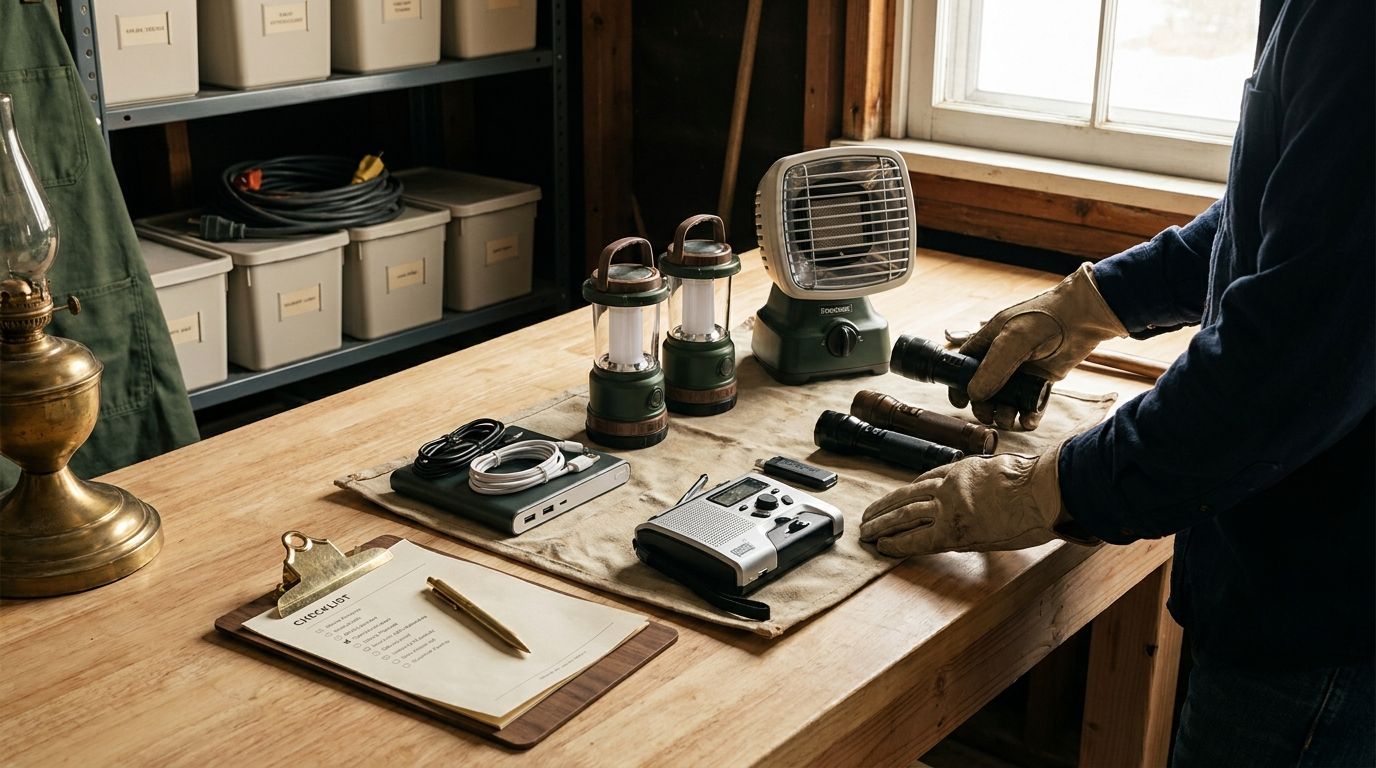
The calm power baseline: what you actually need for lighting, charging, and heat
You do not need a bunker. You need emergency power basics that cover light, charging, and heat safety so the rest of life can keep moving.
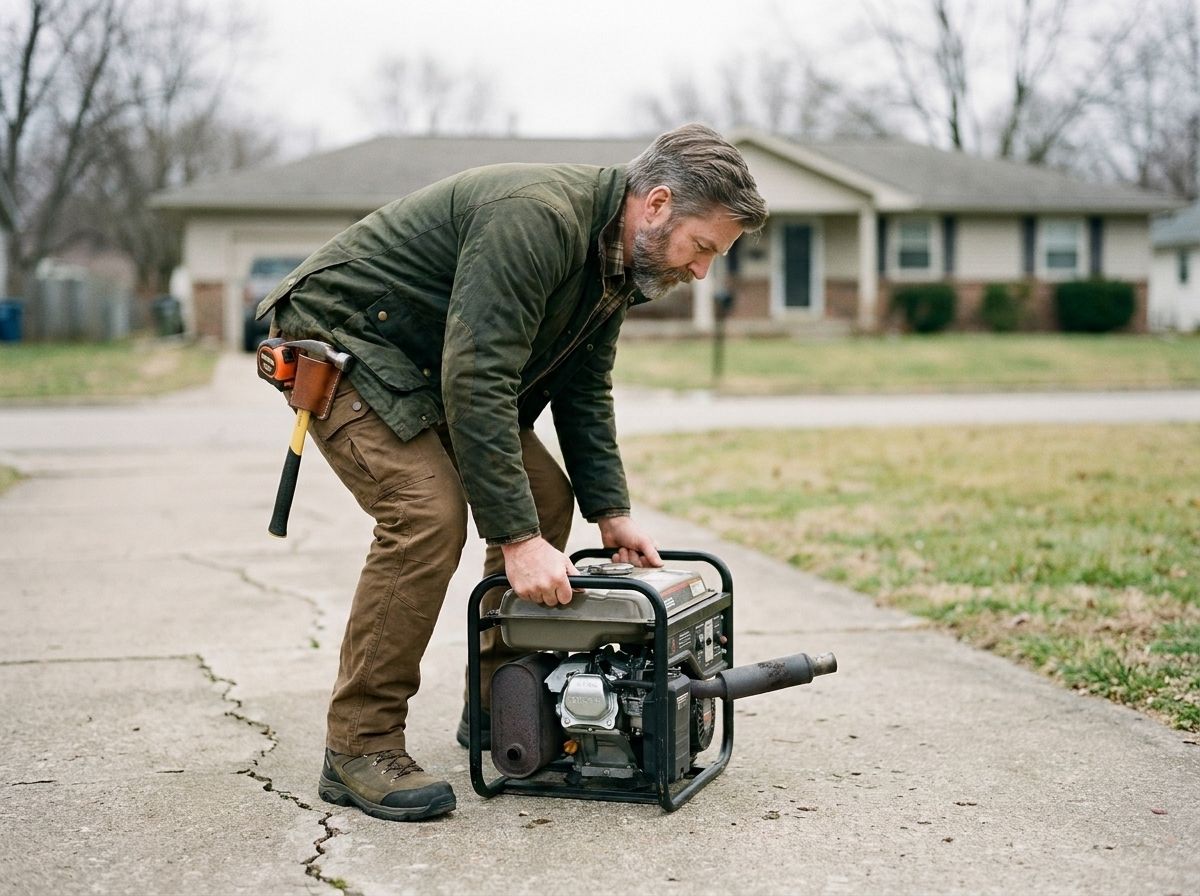
Where to put a generator when the power goes out
Most generator advice stops at the purchase. The decision that actually matters is where you set it down, and almost nobody explains it. What CPSC and CDC say about placement, alarms, and the garage question.

What to do when the water is not safe to drink
A boil water notice covers more than drinking, the bleach ratio is one number worth writing down, and neither boiling nor bleach touches chemicals. What CDC and EPA actually say.
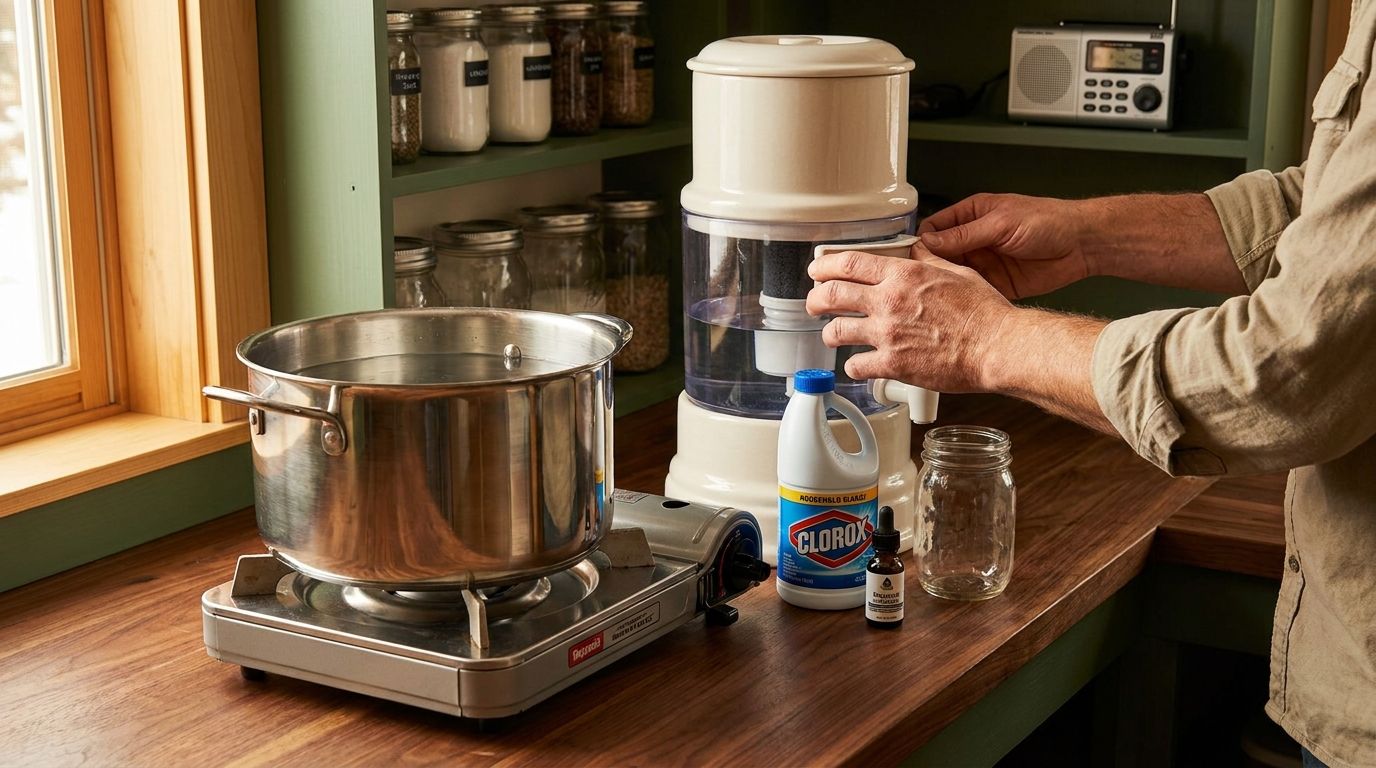
The household water safety map: boil, filter, and disinfect what to do first
When a boil water advisory hits, you need a clear order of operations. Here’s a simple household water safety map to decide boil, filter, or disinfect first.
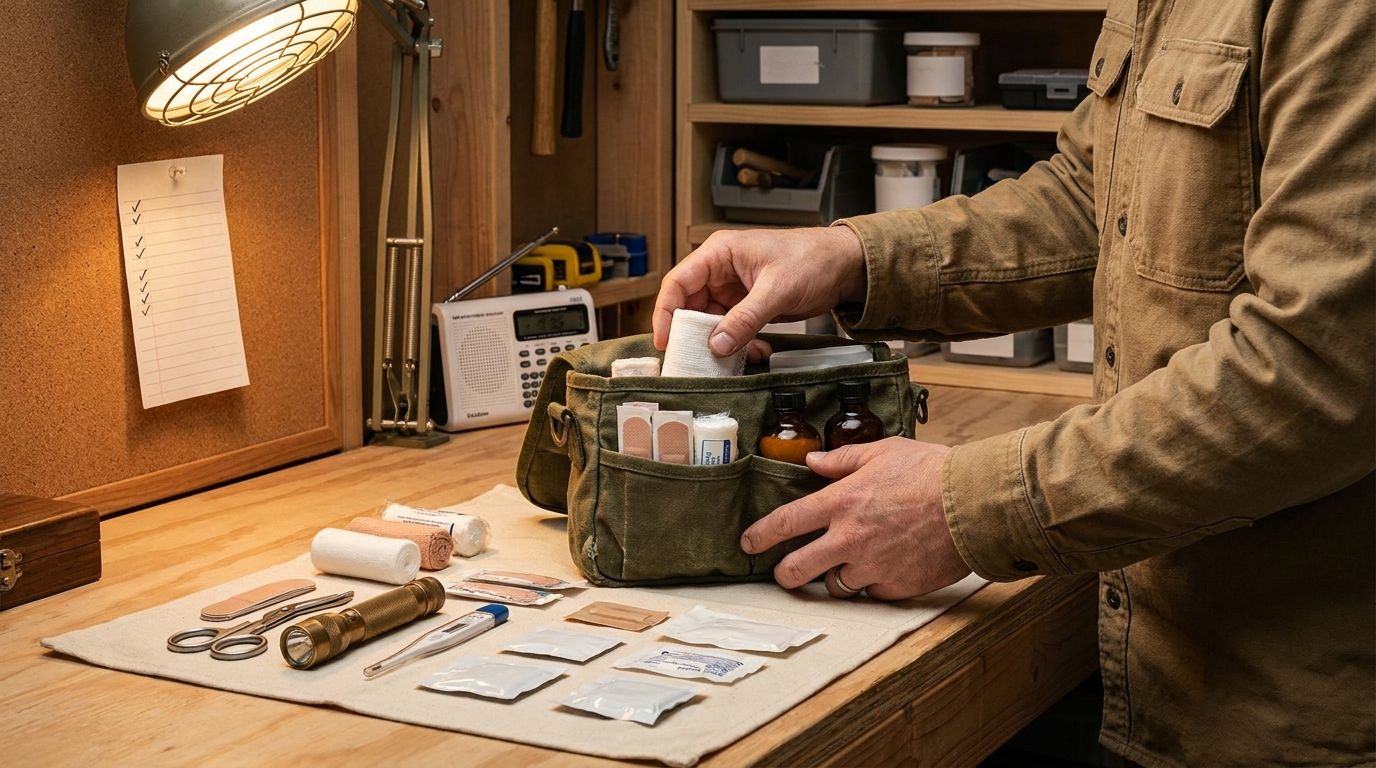
First aid restock checklist without guessing: a CDC-style home kit audit
You do not need to guess what your home first aid kit needs. Use a CDC-style restock checklist that turns “maybe” into a clean, dated refill plan.