Crafting your own bug-out bag: essentials and personal touches
Learn how to build a bug-out bag tailored to your needs with essential items and personal touches that make a difference.
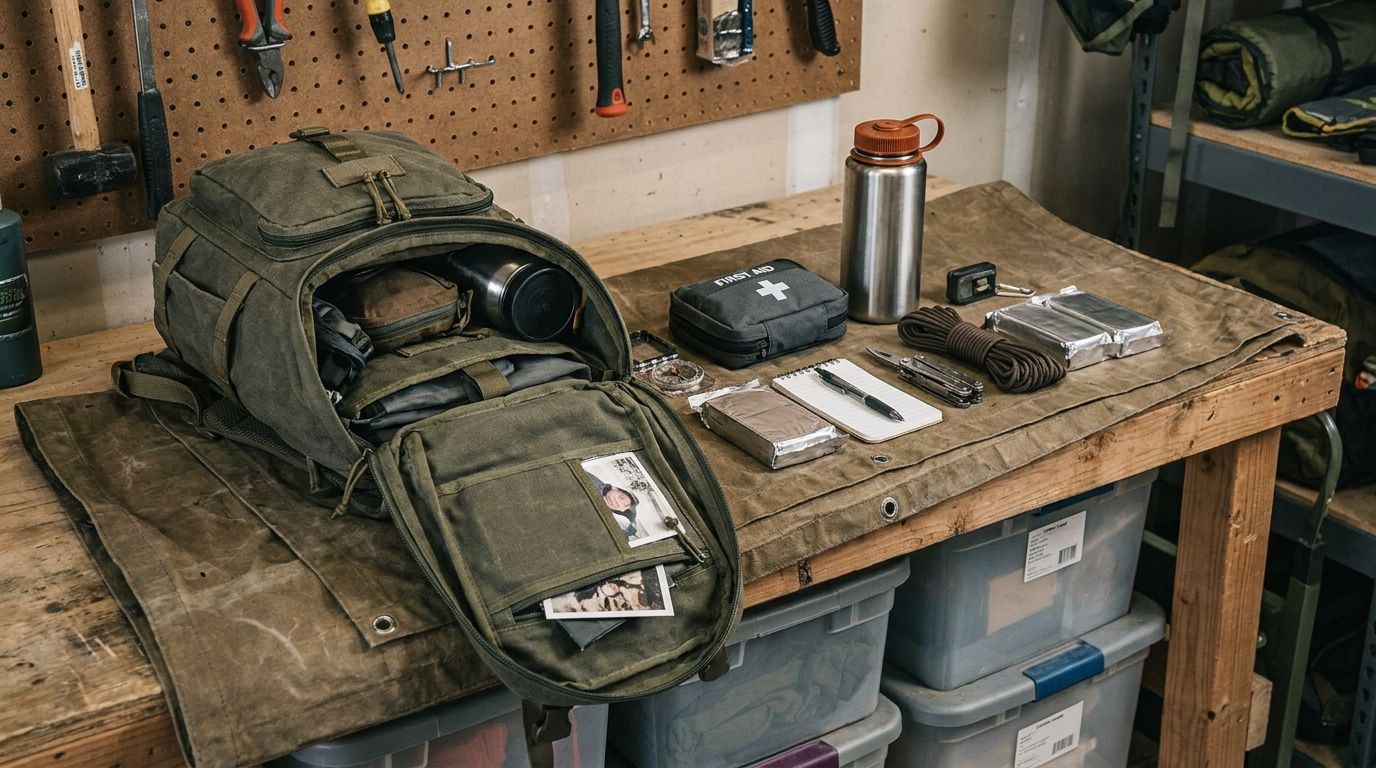
You're in the garage, pushing aside old camping gear and half-finished project remnants, and you know it's time to build your bug-out bag. But where do you actually start? With the right approach, you can put together a DIY survival kit that covers every prepping essential while still fitting your specific situation.
What is a bug-out bag?
A bug-out bag is a portable kit holding everything you need to survive when you have to leave home fast. It should be lightweight, easy to carry, and packed with gear that keeps you functional across a range of situations: natural disaster, civil unrest, personal crisis. According to FEMA, a bug-out bag should typically contain supplies for at least 72 hours.
Assess your needs and environment
Before you touch a single piece of gear, figure out what you're actually building for. Your location, climate, and family size all shape what goes in the bag. Someone in Florida prioritizes hurricane prep; someone in the Midwest is thinking about blizzards.
Think about the following:
- Personal health: Do you or anyone in your family have special medical needs? For instance, if you have a diabetic family member, you'll need to include their insulin and other related supplies in your bag.
- Family size: Are you packing for just yourself or for your spouse and kids too? If you have young children, consider including comfort items like a favorite stuffed animal or blanket to help them cope in stressful situations.
- Local threats: Identify potential threats in your area, such as earthquakes or wildfires. If you live in California, for instance, your bug-out bag might include a fire blanket, while someone in Tornado Alley might include a portable weather radio.
Once you've mapped those factors, prioritize accordingly. A kid with asthma needs an extra inhaler in there. A spouse on hypertension medication needs a multi-day supply. Get specific before you start filling the bag.
Essential items to include
Customization matters, but some items belong in every bag regardless. Here's what you need as your baseline:
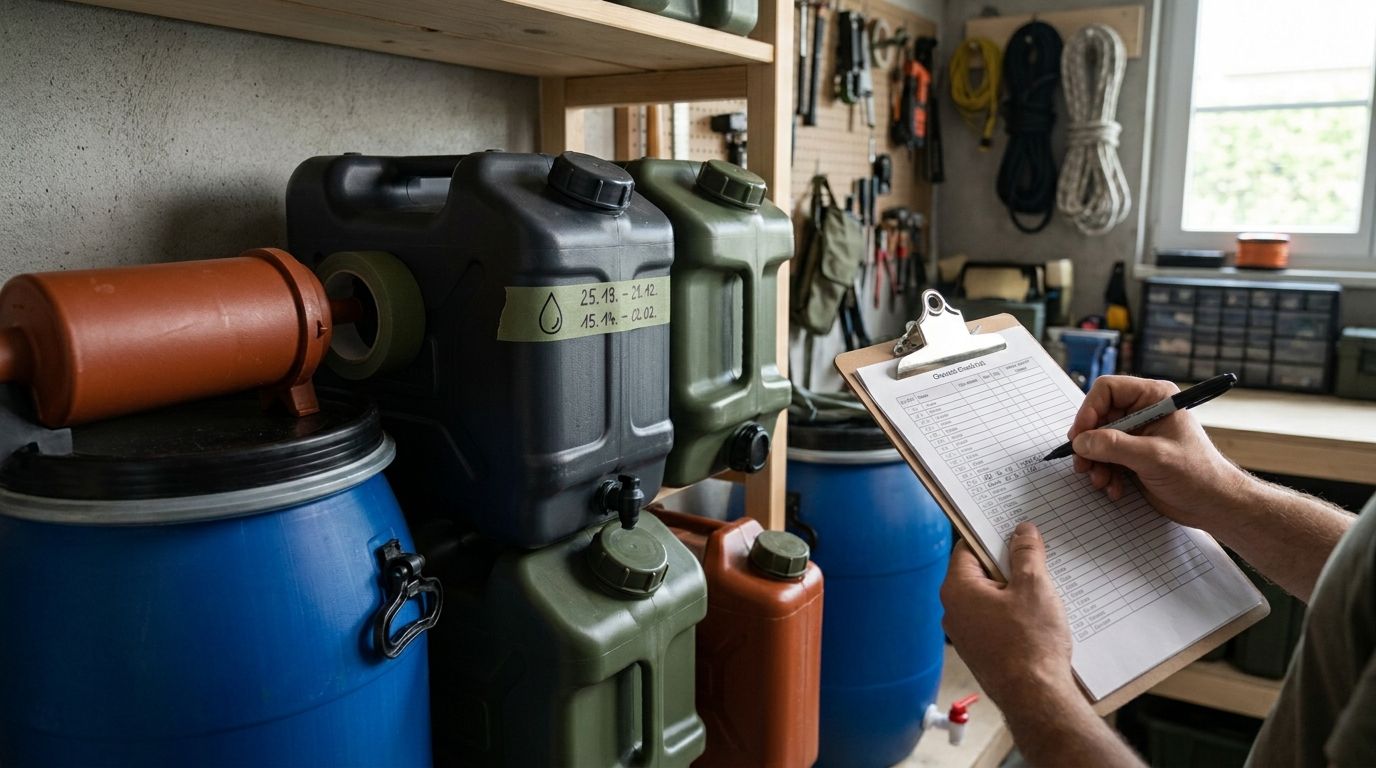
- Water supply: Pack at least one gallon of water per person per day for three days. Consider water purification tablets or a portable filter to ensure you have a safe drinking source. You can also include a collapsible water container for easy transport.
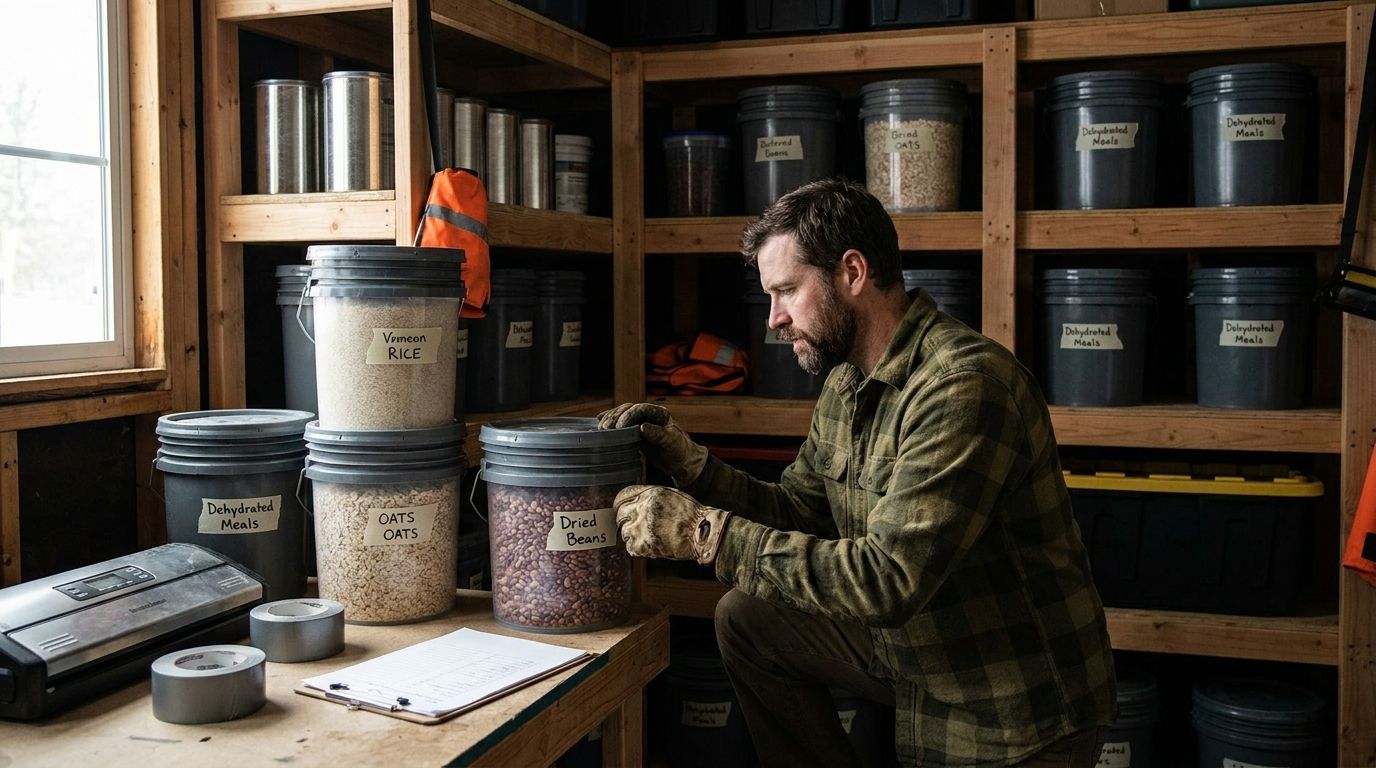
- Food: Non-perishable food items like energy bars, canned goods, and freeze-dried meals are ideal. Aim for high-calorie options that are lightweight. Brands like Mountain House and Wise Foods offer freeze-dried meals that can last for years without refrigeration.
- First-aid kit: Include band-aids, antiseptic wipes, pain relievers, and any prescription medications. You might also consider adding a tourniquet and a CPR face shield for emergencies.
- Multi-tool: A good multi-tool can replace several individual tools, saving space without compromising functionality. Look for brands like Leatherman or Gerber, which are well-regarded for their durability and versatility.
- Flashlight and batteries: Choose a durable flashlight and pack extra batteries. A headlamp can also be useful for hands-free lighting, especially during nighttime emergencies.
- Fire-starting supplies: Include waterproof matches, a lighter, and fire starter sticks. You might also want to add some tinder to make starting a fire easier.
With the basics locked in, think about small additions that extend your options. A fishing line and hook can supplement your food supply. A deck of cards costs nothing and weighs almost nothing. The bag should be functional and give you something to hold onto mentally when things get rough.
Personalizing your bug-out bag
The difference between a bag you grabbed off a checklist and one you actually built is personalization. Pack items that match your skills and your habits, not just the generic list.
If you're an outdoorsman, a compact fishing rod or a small camping stove makes sense. If you're good with fire, bring your preferred fire-starting kit and a cooking pot you already know how to use. Gear you're comfortable with performs better under stress.
Some personal additions worth considering:
- A small photo of loved ones to lift your spirits during tough times.
- A journal and pen for reflection, which can also be a great way to document your experience or jot down important information.
- Your favorite snack or comfort food, like beef jerky or trail mix, that can provide a sense of normalcy.
Take Daniel, a prepper in Oregon who packed a small travel chess set. During a stressful stretch, having a game on hand kept him focused and gave his mind something to work on besides the situation itself. Small thing, real payoff.
Organizing your bag efficiently
How you pack matters as much as what you pack. A disorganized bag wastes time when you don't have any to spare.
- Use clear, labeled bags: Consider using zip-lock bags to separate items by category. For instance, keep all medical supplies in one bag, food in another, and tools in a third.
- Weight distribution: Place heavier items at the bottom and closest to your back for better balance when carrying. If you have a backpack with multiple compartments, use them wisely to distribute weight evenly.
- Accessibility: Keep frequently used items like your flashlight or first-aid kit near the top so you can grab them quickly. Consider creating a small checklist taped to the inside of your bag for easy reference.
Practice and review
Building the bag is step one. Step two is knowing it works. Take the bag on a day hike or a weekend camping trip and use only what's in it, and you'll find the gaps fast.
Review everything at least twice a year. Replace expired food and medications, adjust for seasonal changes, and account for any shifts in your household. Kids grow. Needs change. The bag should keep up.
A family in Texas ran exactly this kind of test, packing their bags and spending a weekend at a national park using only what they'd prepped. They found the gaps, fixed them, and got a solid family trip out of it. That's the right way to think about it.
Real-life examples
John, a prepper from California, had to evacuate during a wildfire. His bag had the essentials covered, but what he'd also packed was a pair of hiking shoes he knew fit him perfectly and a small Bluetooth speaker. He grabbed the bag and walked out the door without hesitation. The music helped more than he expected.
Sarah, a mother of two, had a bag that included toys and a small dry-erase board for her kids. When a flood forced them out of the house, those familiar items kept her children calm enough to keep moving. That's not a luxury. That's a practical tool.
Personal touches aren't about comfort for comfort's sake. They're about keeping yourself and your people functional when the situation is genuinely hard.
FAQ
What should I prioritize for a bug-out bag?
Start with essentials like water, food, first-aid supplies, tools, and clothing. Customize based on your personal needs and local threats. Assess your environment and family health needs to prioritize effectively.
How often should I review my bug-out bag?
Review your bug-out bag at least twice a year. Check for expired items and adjust based on any changes in your family or circumstances. Regularly testing the bag in real-life scenarios will also help you identify what needs to be updated.
Can I use a regular backpack for a bug-out bag?
Yes, but it's best to use a durable, weather-resistant backpack designed for carrying weight comfortably. Look for features like padded straps and multiple compartments to make organization easier.
How do I ensure my bug-out bag is lightweight?
Focus on multi-purpose items and avoid packing unnecessary extras. Regularly assess and update contents to keep weight manageable. If you find certain items are redundant, remove them and replace them with lighter alternatives.
What personal items should I include in my bug-out bag?
Include items that provide comfort and familiarity, such as photos, journals, or favorite snacks. Think about what will help you stay grounded in a crisis. Personal items can also include small games for entertainment or things that hold sentimental value.
What type of food should I include?
Choose non-perishable foods that are calorie-dense and easy to prepare. Options include energy bars, canned goods, and freeze-dried meals. Brands like Clif Bar and Mountain House are popular for their quality and shelf life.
How do I pack my bug-out bag for kids?
When packing for kids, include comfort items like a favorite toy or blanket, snacks they enjoy, and activities to keep them occupied. Tailor the bag to ensure it's appropriate for their age and needs.
Building your own bug-out bag is one of the most direct investments you can make in your self-reliance. Start with the essentials, then make it yours. The bag that actually works for you is the one you built with your own situation in mind.
Want this handled automatically? See the Mainstay membership.
Subscribe to comment
Join the Mainstay newsletter to leave a comment — and get new field notes in your inbox.
Get new field notes in your inbox
Practical, calm preparedness — one useful note at a time.