Budgeting for preparedness: how to build a survival fund
Learn how to create a survival fund and budget effectively for preparedness. Discover practical steps to secure your future.
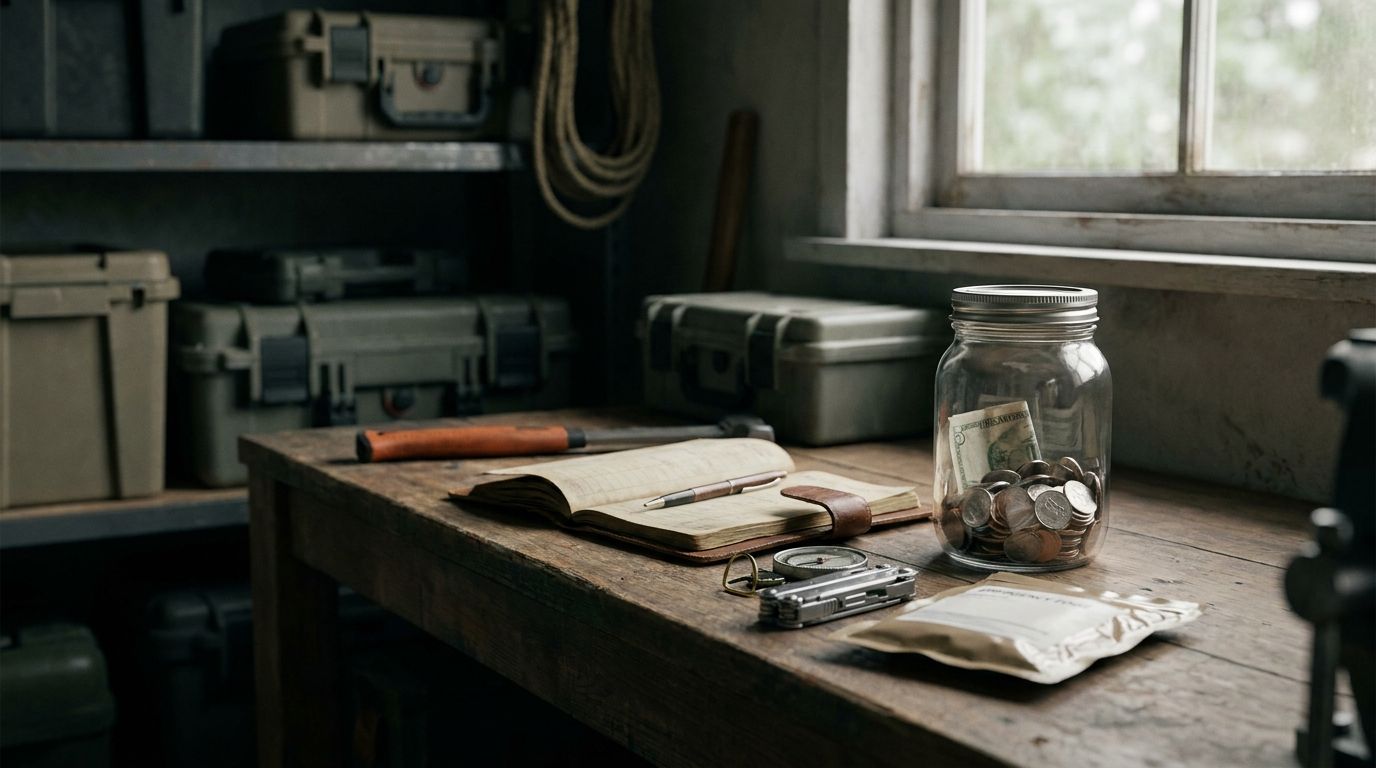
You're sitting at your kitchen table, coffee going cold, staring at a stack of bills and wondering how to carve out money for your preparedness goals. You're not alone. A lot of men want to be genuinely self-reliant, but figuring out how to budget for it can feel like trying to build a shelter without a blueprint. This guide gives you practical, concrete steps to build a survival fund without blowing up your finances in the process.
Understanding financial preparedness
Financial preparedness is about more than just having cash on hand. It's about building a strategy that covers savings, investments, and a clear-eyed look at where your money actually goes. Start by taking stock of your income, expenses, and any debt. That honest accounting is the foundation everything else sits on.
Take someone like Mike, a software engineer in Seattle who wants to build a survival fund. He lists every monthly expense: rent, utilities, groceries, subscriptions. Turns out he's paying about $100 a month for streaming services he opens maybe twice. Cutting those loose frees up $1,200 a year, money that now goes straight toward his fund.
If you want to sharpen your financial instincts further, sites like Coursera and Udemy have solid personal finance courses that cost less than a tank of gas.
Setting your preparedness goals
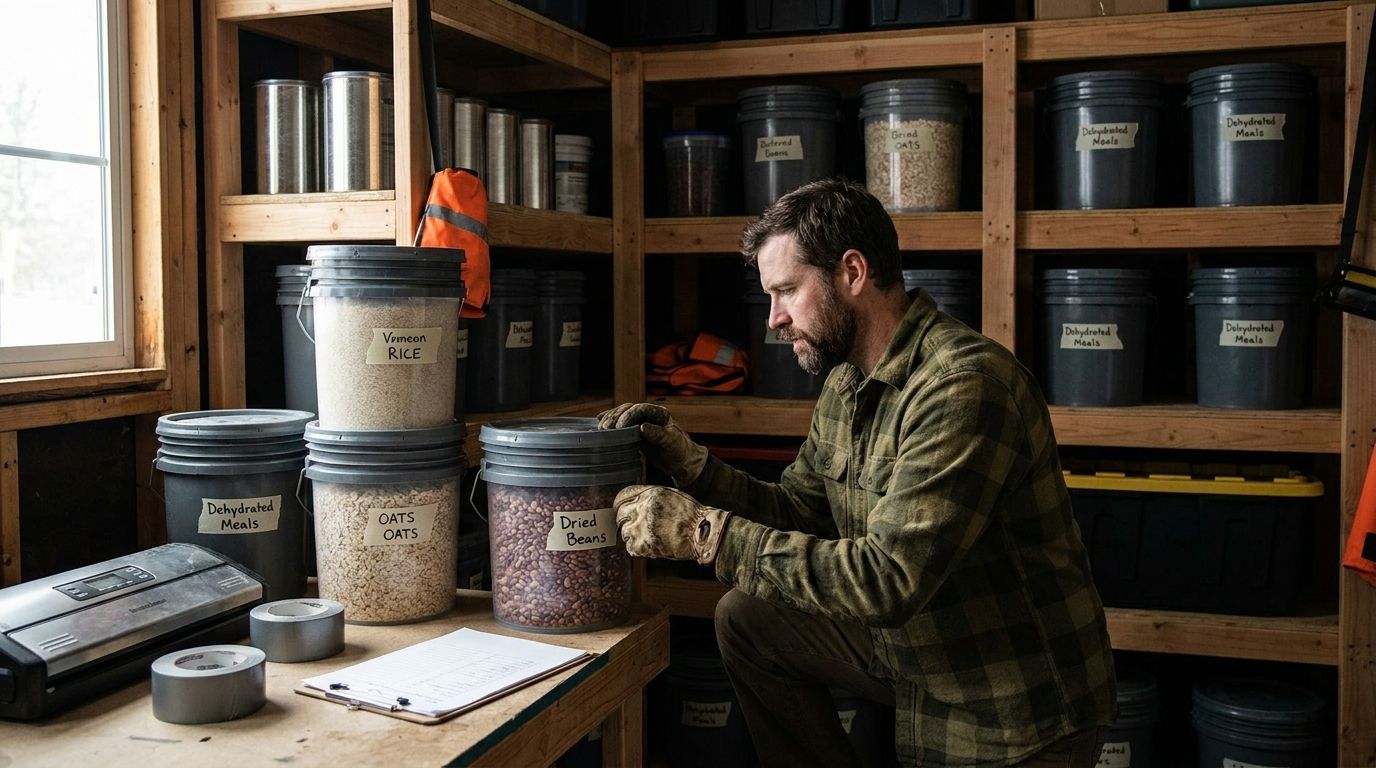
Before the budget, you need the goals. What does preparedness actually look like for you? Stocking six months of food? A quality trauma kit? A generator that'll run your chest freezer through a week-long outage? The answer shapes everything downstream.
Break your goals into short-term and long-term. If you want a solid first-aid kit, maybe that's $300 over the next three months. A reliable generator might mean saving $1,000 over the next year. Write them down and prioritize ruthlessly, because money is finite and everything feels urgent until you rank it.
Tier your goals by criticality. Tier one is the basics: food, water, medical. Tier two is capability: training, comms gear, tools. If you're based somewhere like Denver and there's a wilderness survival course nearby, that might earn a spot in tier two before you spend another dollar on gear.
Creating a realistic budget
With goals locked in, build the budget around your actual life, not an idealized version of it. Cover the essentials first: housing, food, transportation, healthcare. Then savings and debt repayment. Then your preparedness fund.
Here's how Sam Wills, a firefighter in Austin, breaks it down monthly:
- Essential expenses: $2,500 (rent, groceries, utilities)
- Savings: $300
- Debt repayment: $200
- Preparedness fund: $200
Straightforward. Repeatable. And because it's written down, Sam can't pretend he didn't know where the money was supposed to go. Apps like YNAB or Mint make this kind of tracking a lot less painful and will also surface spending patterns you'd rather not admit to.
Cutting unnecessary expenses
To grow your survival fund faster, you need to trim the fat somewhere. That means an honest look at dining out, unused memberships, and shopping habits. Buying in bulk and going generic on non-critical items adds up faster than most people expect.
Consider Tom, a father of two in Denver. His family was dropping around $150 every weekend on restaurant meals. By cooking at home and redirecting that money, Tom pushed $600 into his survival fund over a few months. One habit change. Real money.
And the family didn't suffer for it. They started hiking and biking in nearby parks, which cost nothing and, honestly, probably did more for everyone's fitness than any weekend brunch.
Automating your savings
Once your budget is set, take your own willpower out of the equation. Open a dedicated savings account for your survival fund and automate a transfer the day your paycheck lands. If you planned to save $150 a month, it should move before you ever see it sitting in your checking account.
This isn't a trick. It's just removing friction from a decision you've already made.
Some banks offer high-yield savings accounts that'll grow your fund faster than a standard account. It's not a dramatic difference, but compounding is compounding, and there's no reason to leave it on the table.
Investing in the right gear
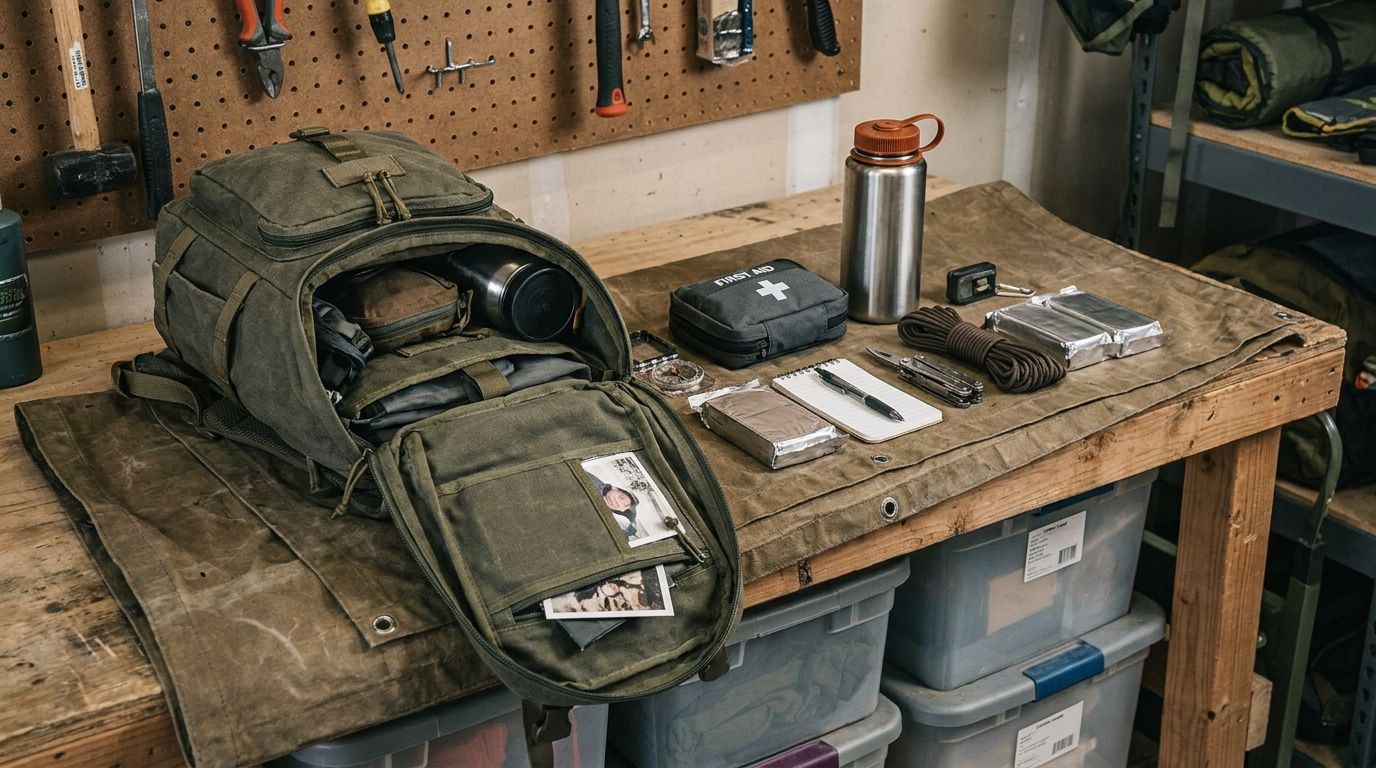
A well-funded survival fund is only as good as what you spend it on. Quality over quantity, every time. One proven multi-tool beats a drawer full of junk that fails when you need it. Do the research, read the reviews, and buy things that have a track record.
Say you need a reliable water filter. The cheapest option on the shelf might work fine, or it might fail on the third use. Something like the LifeStraw Personal Water Filter costs more upfront but has years of real-world testing behind it. That's the kind of investment worth making.
Don't sleep on skills, either. A first aid course through the American Red Cross or a local wilderness survival workshop gives you capabilities no piece of gear can replicate. Budget for training the same way you'd budget for equipment.
Regularly review and adjust your budget
Your finances will shift. Your goals will evolve. Build in a monthly or quarterly check-in to look at what's changed. Are you hitting your savings targets? Did a new expense show up? Is there a goal you want to accelerate?
If your fund is growing faster than expected, maybe you move up the timeline on that generator or finally sign up for that survival course. If things got tight, you adjust without guilt and keep moving. The budget is a tool, not a punishment.
Common pitfalls in budgeting for preparedness
A few traps catch people regularly. First is underestimating expenses. Variable costs like car repairs or a surprise medical bill will show up, and your budget needs room for them. Be honest, not optimistic.
Second is letting immediate wants cannibalize long-term priorities. It's easy to justify a new piece of gear you don't really need yet while your core fund stalls out. Know your plan, stick to it.
Last: drop the all-or-nothing thinking. If one month you can only put $30 into your survival fund instead of $150, that's still $30 more than zero. Progress doesn't have to be perfect to be real.
FAQ
What is a prepping budget?
A prepping budget is a financial plan that allocates funds specifically for preparedness-related expenses. This includes savings for emergency supplies, tools, and training to become more self-reliant.
How much should I save for my survival fund?
The amount you save for your survival fund depends on your personal goals and financial situation. Start with a few hundred dollars and gradually increase it as your budget allows.
Can I use credit cards for preparedness purchases?
While it's possible to use credit cards, it's best to avoid accruing debt for preparedness purchases. Aim to use cash or savings to stay financially secure.
How can I make budgeting easier?
Consider using budgeting apps or spreadsheets to track your income and expenses. Automating your savings can also simplify the process.
What are some essential items to include in my preparedness budget?
Essential items may include food supplies, first-aid kits, water filtration systems, tools, and training courses. Prioritize based on your goals and needs.
How often should I review my preparedness budget?
Regularly review your budget at least once a month. This allows you to make necessary adjustments based on any changes in your financial situation or preparedness goals.
Is it too late to start budgeting for preparedness?
It's never too late to start. Begin with what you can save now, and commit to increasing your contributions as your financial situation allows.
What should I do if I can't meet my savings goals?
Adjust your budget to fit your current reality and keep going. Any contribution moves you forward. Every dollar you set aside is one more dollar working toward self-reliance.
Building a survival fund doesn't require a windfall or a radical lifestyle overhaul. Start where you are, stay consistent, and let the fund grow. Take ten minutes today to look at your finances and write down your first goal. That's the whole move.

Small, deliberate steps compound into real capability over time. Planning and budgeting aren't glamorous, but they're what separates the guy who's ready from the guy who's scrambling.
Want this handled automatically? See the Mainstay membership.
Subscribe to comment
Join the Mainstay newsletter to leave a comment — and get new field notes in your inbox.
Get new field notes in your inbox
Practical, calm preparedness — one useful note at a time.