How to build an efficient inventory system for your survival supplies
Creating a reliable inventory system for your survival supplies can be easy and rewarding. Here's how to get started.
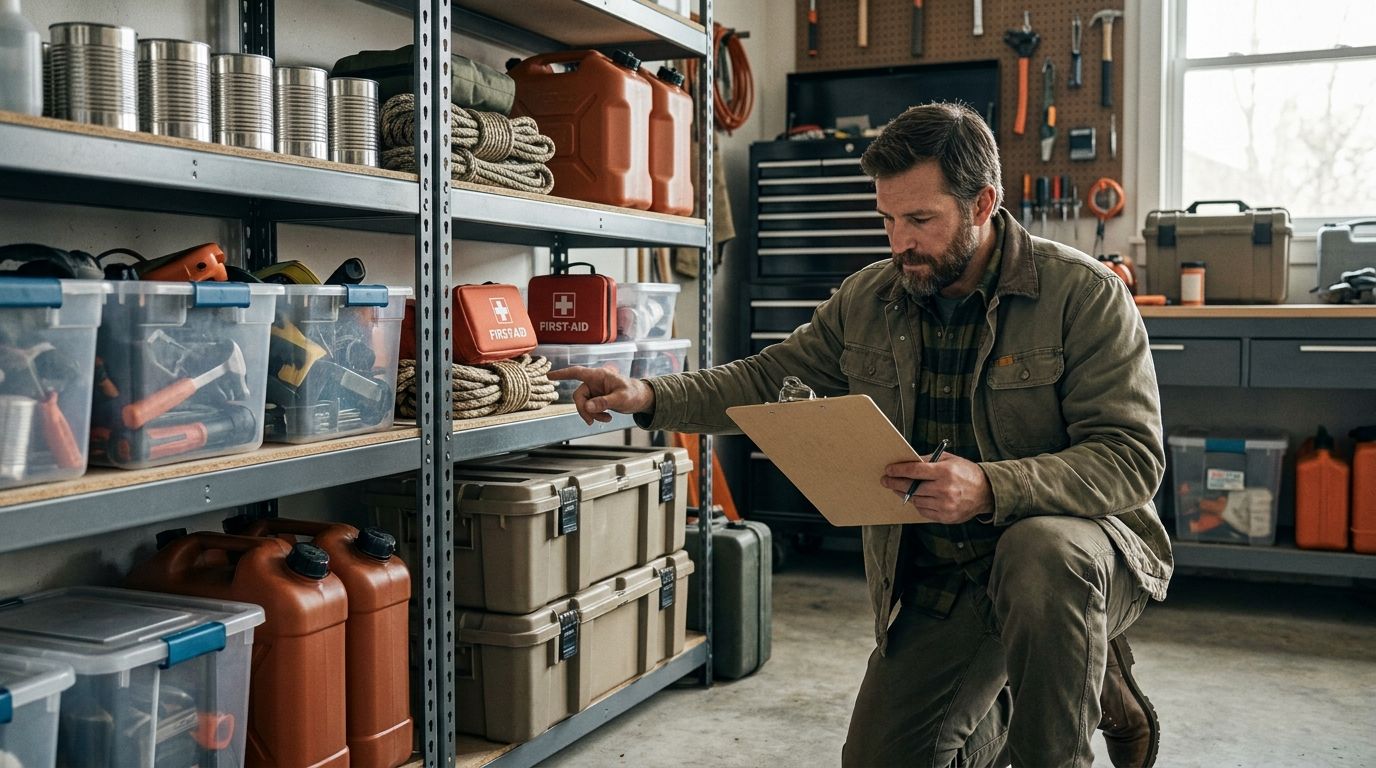
The sun had barely cleared the horizon when Sam Wills stepped into his garage, clipboard in hand, squinting at shelves jammed with canned goods, medical kits, and a mountain of gear that had accumulated over years of careful collecting. He'd stood in this exact spot dozens of times before, but today felt different - today, Sam was done with the chaos.
You've probably been there too. You open the pantry or storage room and hit a wall of stuff, no clear system, no idea what you actually have. Honestly, it's a lot. But building a solid inventory system is more manageable than it looks, and once you're in it, there's a real satisfaction to watching order emerge from the clutter.
Understanding the importance of an inventory system
An inventory system is more than just a list. It's your operational backbone. When you know exactly what you have and where it lives, you make sharper decisions about your supplies - no more tearing through boxes at the wrong moment, no more discovering that the freeze-dried meals in the back corner expired two years ago.
The benefits of having an organized inventory are numerous:
- Quick access to supplies: You'll spend less time hunting for items and more time focused on what actually matters - preparation.
- Better resource management: You'll see exactly when supplies need replenishing, before you're already running low.
- Peace of mind: There's a specific kind of calm that comes from knowing your situation at a glance.
Think about a severe weather alert rolling through your area at midnight. With an efficient inventory system, you pull up your stock of batteries, non-perishables, and first aid supplies in minutes - no frantic rummaging, no guessing. That's the difference between a plan and a hope.

Getting started: Categorizing your supplies
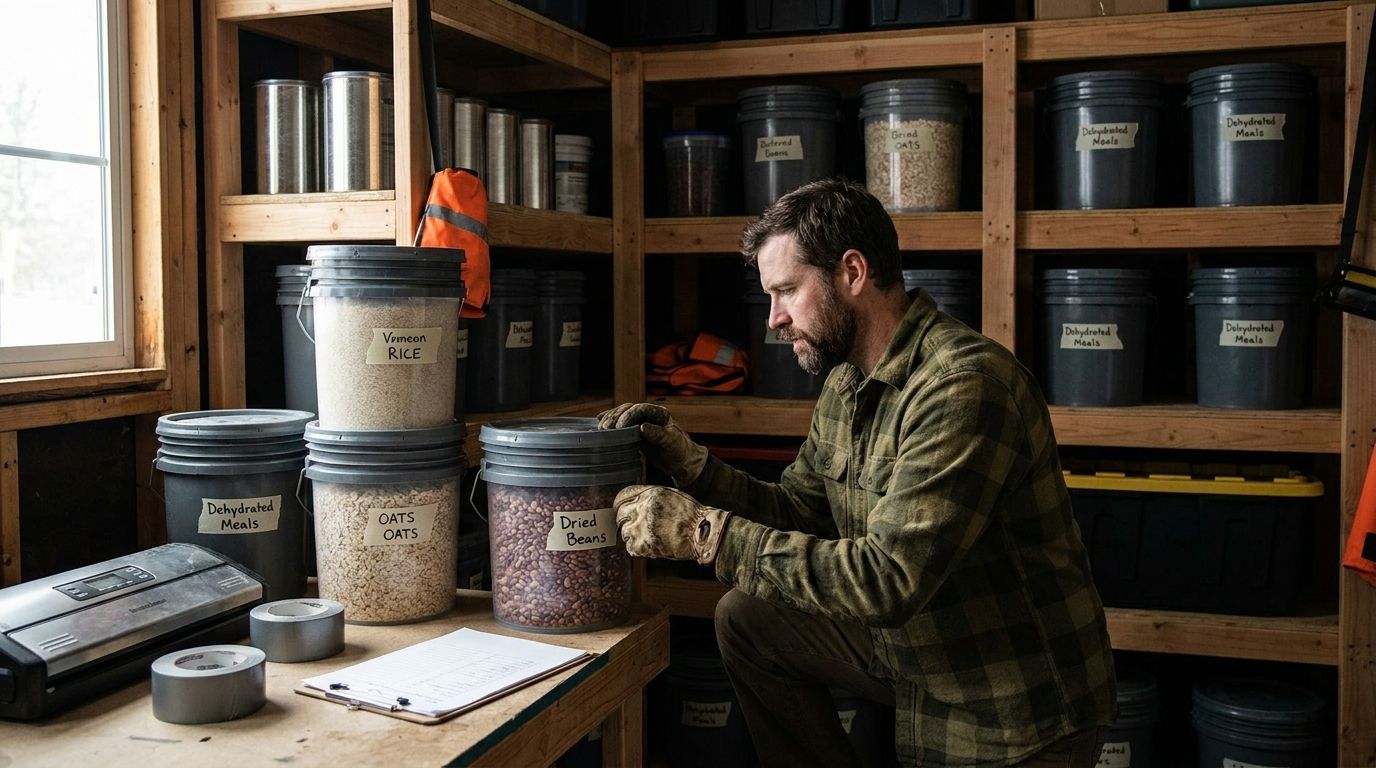
Before you dive headfirst into creating your inventory, take a breath and decide how you want to slice it up. Categorization is the scaffolding everything else hangs on, so it's worth getting right.
Here are a few common categories you might consider:
- Food: Canned goods, dried foods, MREs, freeze-dried meals, snacks.
- Water: Bottled water, purification tablets, filters, water storage containers.
- Medical supplies: First aid kits, medications, hygiene products, over-the-counter remedies.
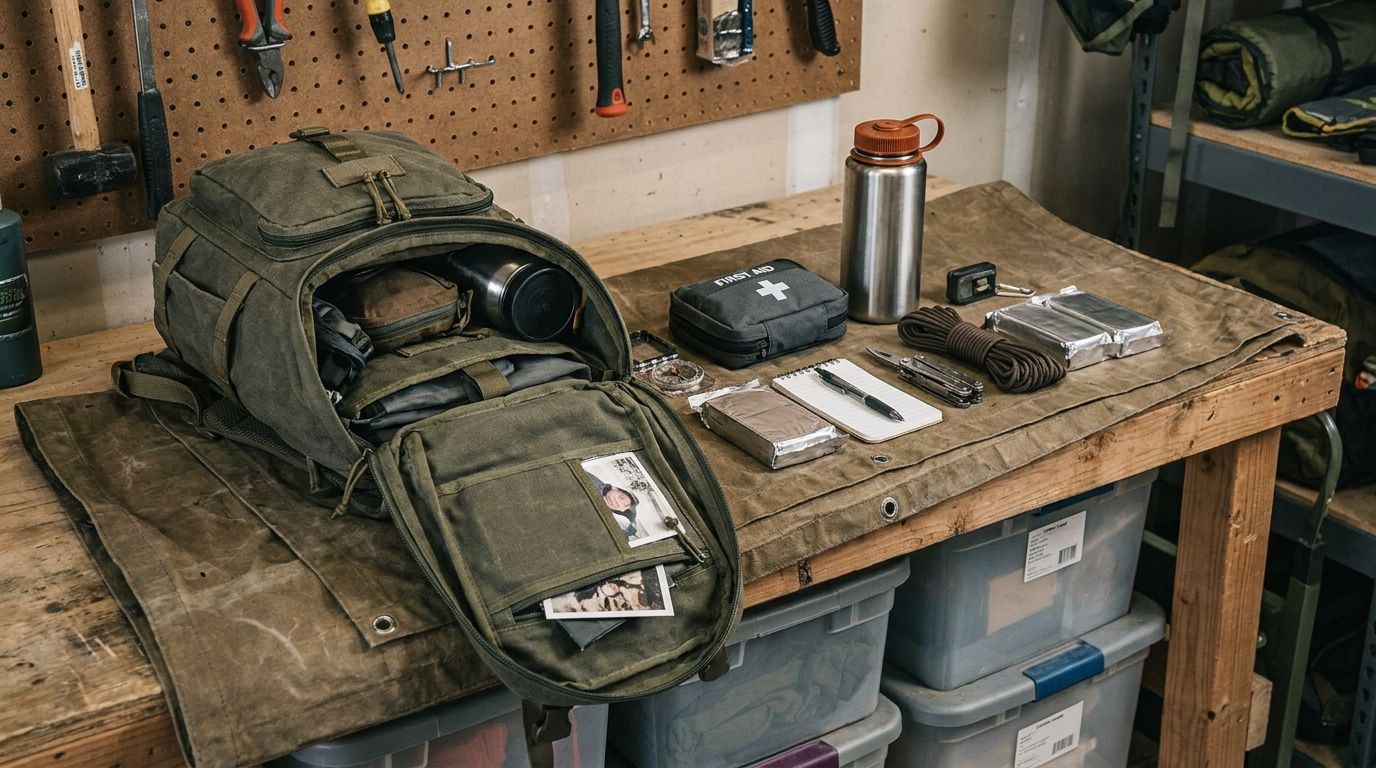
- Gear: Tools, flashlights, batteries, clothing, camping equipment.
- Miscellaneous: Any other supplies that don't fit neatly into the above categories, like maps or multi-tools.
Once you've landed on your categories, start sorting. As you go, flag anything expired or damaged - this is the perfect moment to pull a can of soup that's been sitting since 2020, toss it, and mark the replacement on your list. The purge is part of the process.
Creating the inventory list
Now that your supplies are sorted, it's time to build the actual list. And here's where you get to choose your weapon: a notepad, a spreadsheet, an inventory app - whatever you'll actually stick with is the right answer.
Here are some key elements you should include in your inventory list:
- Item name: The name of the item (e.g., "Campbell's Chunky Soup").
- Category: The category you sorted it into (e.g., "Food").
- Quantity: How many you have on hand (e.g., "12 cans").
- Expiration date: If applicable, note when it expires or when it should be replaced (e.g., "Best by: 03/2024").
- Location: Where the item is stored (e.g., "Shelf 2, Bin A").
Update it as you go - right when you use something or bring something new home. That one small habit is what keeps the whole system honest. Buy a box of bandages? Log it immediately. Future you will be grateful.
Maintaining your inventory system
Building the system is the starting line. Maintaining it is the actual race. Here are some simple tips to keep your inventory in check:
- Schedule regular reviews: Set aside time every month or quarter to check your supplies. This helps prevent items from going unnoticed or expiring before you use them.
- Use a check-off system: As you use items, check them off your list. This visual reminder can help you stay on top of what you need to restock.
- Involve the family: If you live with others, bring them into the process. Teach them how the system works and why it matters - it can become a shared habit rather than one person's burden.
- Utilize technology: Consider using inventory management apps like Sortly or My Inventory. These apps can make tracking your supplies easier, allowing you to scan barcodes and add pictures of your items for quick reference.
Stay consistent, and managing your supplies starts to feel like second nature rather than a seasonal project you dread.
Common mistakes to avoid
While putting together your inventory system, it's essential to avoid some common pitfalls that might hinder your efforts:
- Overcomplicating the system: Keep it simple. An overly complex system can lead to frustration and decreased usage. Stick to straightforward categories and formats that you can maintain easily.
- Neglecting to categorize properly: If you skip the categorization step, it can become chaotic when you need to find specific items. Take the time to categorize correctly, ensuring everything has a designated spot.
- Failing to update regularly: An inventory is only as good as the information it contains. Make updating your list a part of your routine, so it always reflects your current supplies.
- Ignoring expiration dates: Be vigilant about checking expiration dates, especially for food and medications. Use the FIFO (First In, First Out) method to ensure older items are used before newer ones.
Frequently asked questions
How often should I update my inventory?
You should update your inventory whenever you use supplies or purchase new items. Regular reviews every month or quarter can help keep your inventory accurate. This routine can help you spot trends in usage, allowing you to stock up on essential items in advance.
What if I have limited space for my supplies?
If space is tight, prioritize essential items and consider using vertical storage solutions or bins that can be stacked. Declutter regularly and cut anything you no longer actually use. You can also rotate your supplies to maximize storage efficiency - if you have a closet, push the less frequently used items to the top shelves and keep your most-accessed gear at eye level.
Is it necessary to keep track of expiration dates?
Yes, tracking expiration dates is crucial, especially for food and medications. This practice ensures that you use items while they are still effective and safe. Consider labeling your supplies with the purchase date and expiration date for easy reference. When you pick up a new bottle of ibuprofen, for example, write the date right on the label so nothing slips through unnoticed.
Can I use an app to manage my inventory?
Absolutely. There are various inventory management apps available that can help streamline the process. Choose one that fits your needs and comfort level. Some popular options include PantryCheck and Home Inventory, which allow you to enter item details and even photograph items for easy identification.
What should I do if I find expired items in my inventory?
Dispose of them properly and update your inventory list to reflect the change. Replace them promptly, especially if they're core supplies. Expired emergency food rations, for instance, should be swapped out for fresh stock with a longer shelf life - don't just pull them and move on.
How can I involve my family in maintaining the inventory system?
Involving your family can make the process more enjoyable and less overwhelming. Have regular inventory checks together, assign specific categories to different family members, or turn inventory updates into a family game where everyone contributes to keeping things organized.
Closing thoughts
Sam stepped back from those newly organized shelves and felt something click into place. Not just satisfaction - clarity. Knowing exactly what he had and where it lived changed the way the whole garage felt.
You can build that same clarity. It doesn't take a weekend overhaul or a perfect system on day one; it takes a starting point and the discipline to keep it current. Grab the clipboard, pick your categories, and get the first pass done. The second pass is always easier, and by the third, it's just part of how you operate.
Want this handled automatically? See the Mainstay membership.
Subscribe to comment
Join the Mainstay newsletter to leave a comment — and get new field notes in your inbox.
Get new field notes in your inbox
Practical, calm preparedness — one useful note at a time.