Survival cooking: essential skills for cooking off the grid
Learn essential survival cooking skills to thrive off the grid, with practical tips and relatable experiences.
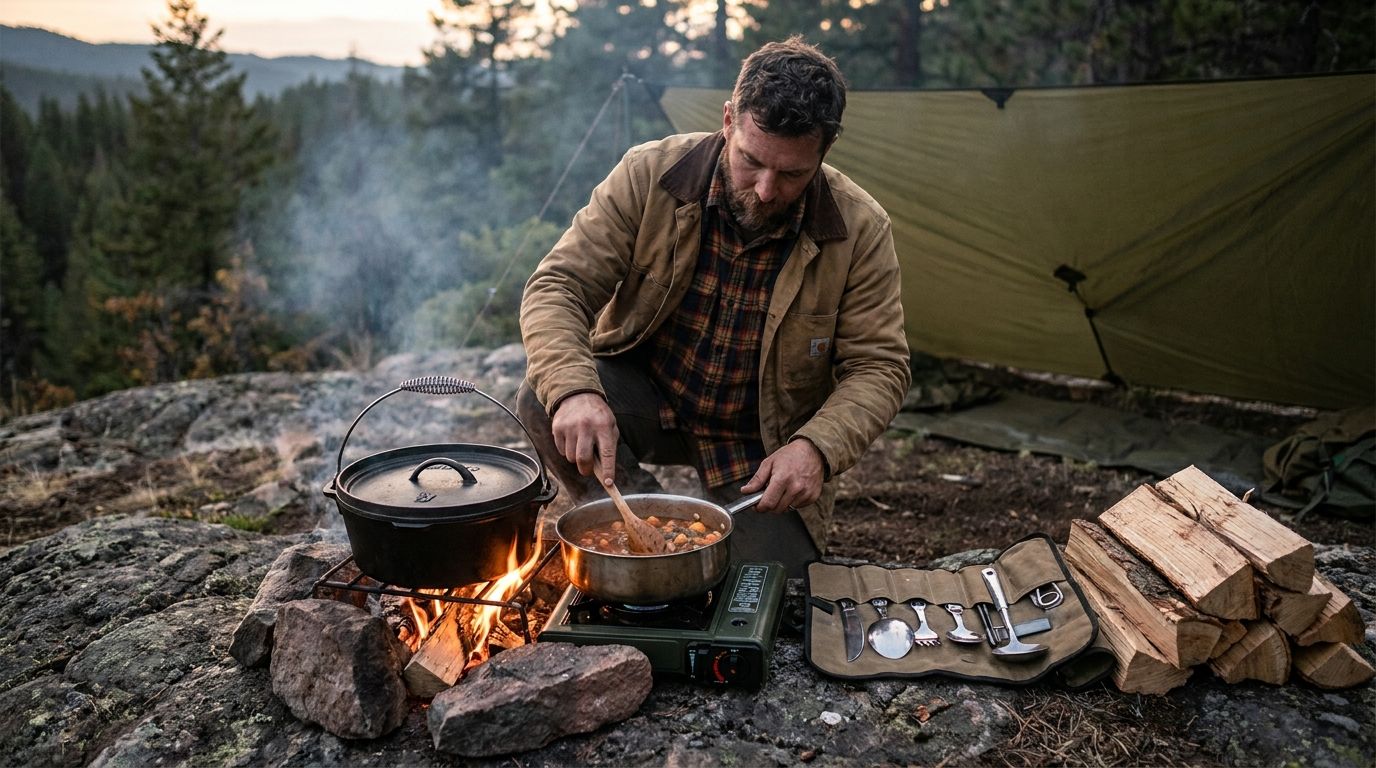
The sun dropped behind the treeline, throwing a gold wash over the small clearing where Sam Wills crouched over a makeshift fire pit. He'd spent the week before this trip packing with purpose: a few cans of beans, a bag of rice, some dried herbs tucked into a side pocket. Nothing wasted, nothing forgotten. As the flames caught and the pot settled over the coals, he ran through the skills that had taken him years to build, skills that now made the difference between a good meal and a miserable night.
Survival cooking isn't just about feeding yourself when the grid goes dark. It's a discipline, a mindset that rewards the person who actually practiced before they needed to.
Mastering the basics of off-grid cooking
Step away from a fully-equipped kitchen and the fundamentals matter fast. Here are some basic skills to focus on:
- Fire building: This is your primary heat source. Learn to build a fire that holds consistent cooking heat, not just a bonfire for warmth. Work through different methods, kindling and tinder arrangements, until the process is automatic.
- Cooking methods: Get comfortable with boiling, roasting, and baking in a Dutch oven. Each has its place depending on what you're working with and what you've got available.
- Food preservation: Self-sufficiency means keeping your food alive longer. Learn drying, smoking, and basic canning so your supplies stretch when resupply isn't an option.
These fundamentals hold up anywhere. Sam picked up fire building from his grandfather, who used to say, "A good fire is the heart of any outdoor meal."
Ingredients and nutrition: what to pack
Choosing the right food off the grid isn't just a packing problem, it's a nutritional strategy. Here are some tips for packing food:
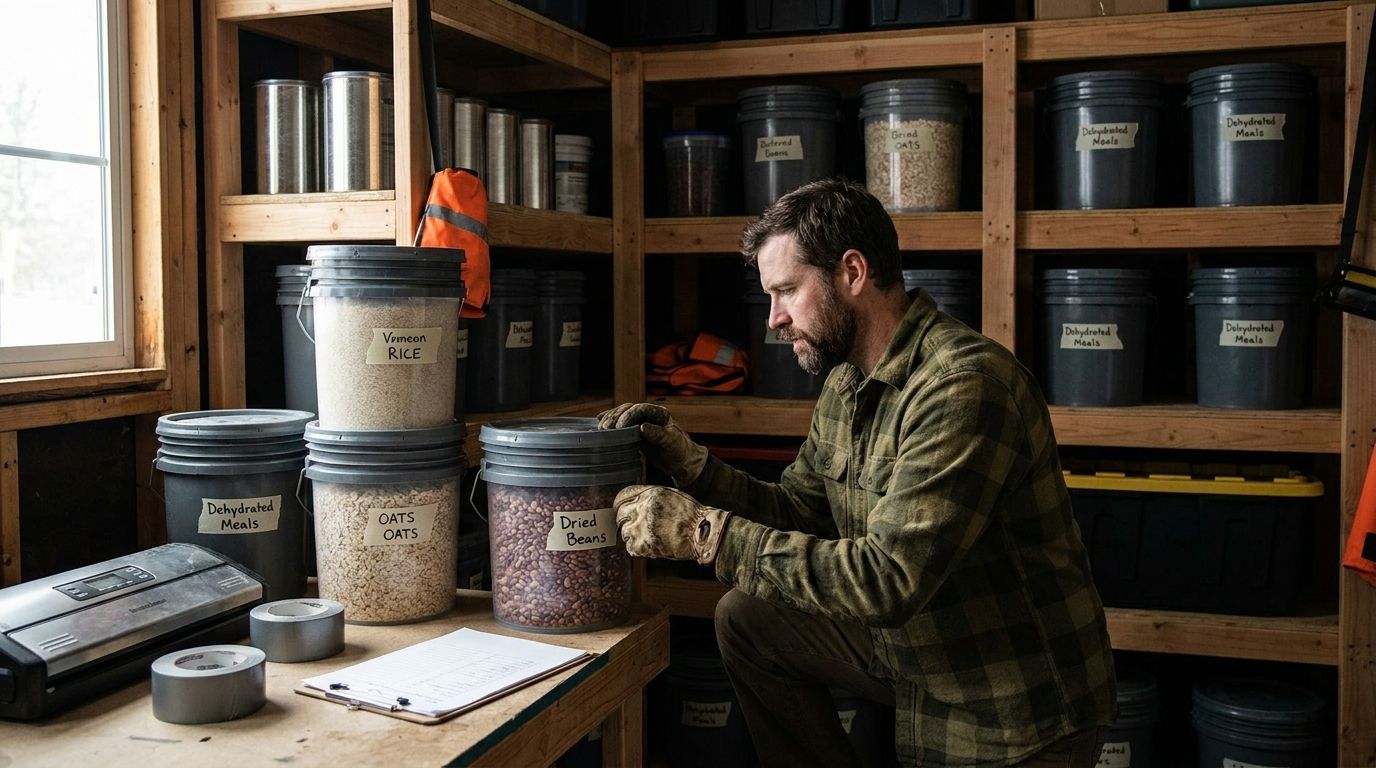
- Choose staples: Rice, beans, and oats are workhorses. Lightweight, calorie-dense, and flexible enough to anchor a dozen different meals. Beans and rice together give you a complete protein without any extra weight.
- Add flavor: Don't overlook what a handful of dried herbs or a compact spice mix can do for a pot of plain rice. Seasoning is morale, and morale matters on day three.
- Include fresh produce: Hardy vegetables, carrots, potatoes, onions, hold up well in a pack and add real nutrition. Worth the extra weight, especially for a stew at the end of a hard day.
Sam always threw a few fresh vegetables in, even when his pack was already heavy. (He'd regretted skipping them exactly once, on a four-day solo trip, and never made that mistake again.)

Cooking techniques for survival situations
There's a particular satisfaction in cooking outside when it actually matters. Here are some techniques to try:
- One-pot meals: The workhorse of off-grid cooking. Grains, protein, and vegetables all go in together. Stews and thick soups let the flavors build while you're setting up camp or taking care of other tasks.
- Solar cooking: A sunny location means free heat. A solar cooker is a genuinely useful backup, no fire required, no fuel consumed.
- Using natural resources: Know your surroundings. A camp near a river might offer fresh fish, which changes your meal planning entirely. Just check local regulations before you drop a line.
Sam liked the problem-solving aspect of it, working with what nature handed him instead of fighting it.
Community and sharing meals
Off-grid cooking doesn't have to be a solo act. A fire with a good group around it changes the whole experience. Shared meals build something that's hard to name but easy to recognize.
- Collaborate: Assign tasks by strength. One person builds the fire, another handles prep. It moves faster and the result is usually better.
- Share recipes: Experienced survivalists carry knowledge worth trading. A new technique picked up around a campfire can stick with you for years.
- Create a cooking tradition: A signature dish, a particular drink, something you make every trip. Traditions give a group an identity and something to look forward to.
Those nights cooking with friends, stories going around the fire while the pot simmered, Sam figured those were as nourishing as anything he'd ever eaten.
FAQ
What are some essential tools for off-grid cooking?
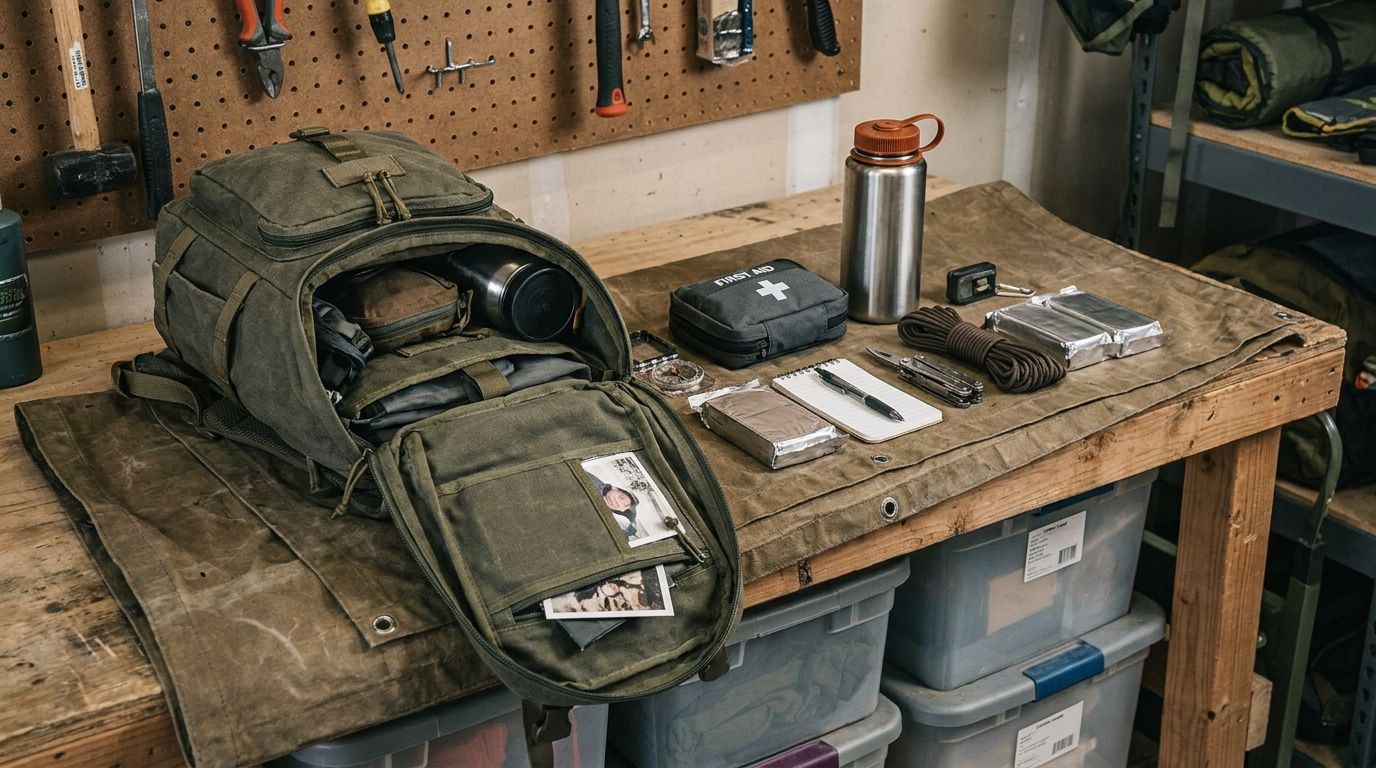
Keep it lightweight and multi-functional. A solid knife, a pot, and a reliable fire starter cover most situations. If you have room, a portable stove or compact grill adds real flexibility.
How can I ensure food safety while cooking off the grid?
Keep raw ingredients away from cooked food, wash your hands before handling anything, and cook meats to the right internal temperature. When in doubt, cook it longer. Food poisoning in the backcountry is a serious problem, not an inconvenience.
Can I cook without a traditional stove?
Yes. A campfire, a portable stove, a solar cooker, all of them work. Knowing more than one method means you're not stuck when one option isn't available.
How do I know what food to pack for an off-grid trip?
Prioritize lightweight, nutrient-dense foods with real shelf life. Rice, beans, and dried fruit are solid anchors. Factor in the length of your trip and whether fresh produce is realistic to carry.
Cooking off the grid had shifted for Sam over the years, less a chore, more a craft. The skills, the meals, the nights around the fire all compounded into something he genuinely valued.
So build the fire. Get the pot on. The great outdoors doesn't need to be complicated, it just needs to be approached with the right skills and a little preparation.
Want this handled automatically? See the Mainstay membership.
Subscribe to comment
Join the Mainstay newsletter to leave a comment — and get new field notes in your inbox.
Get new field notes in your inbox
Practical, calm preparedness — one useful note at a time.