Sustainable living for preppers: how to combine prepper skills with eco-friendliness
Discover how to blend traditional prepping with sustainable practices for a resilient and eco-friendly lifestyle.
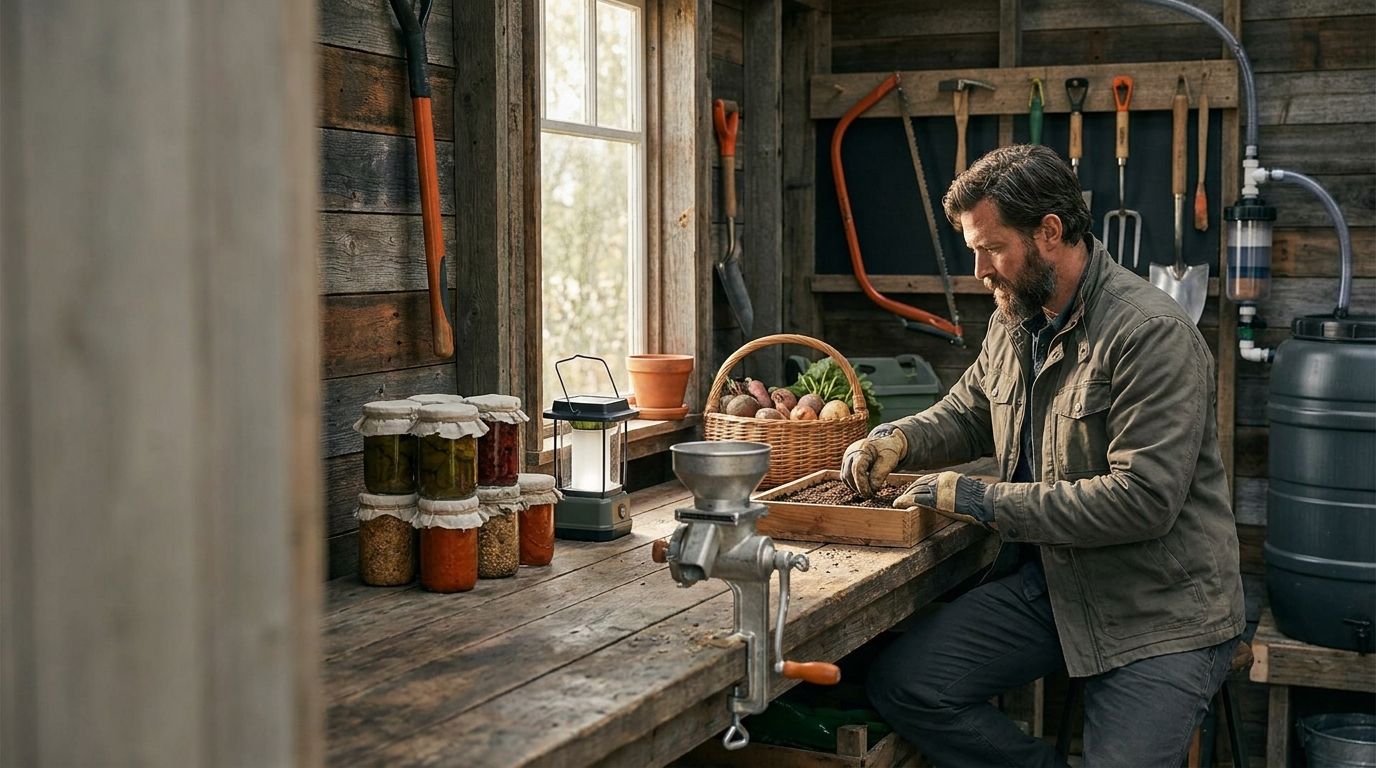
You wake up to birds outside the window, sunlight cutting through the tree line. You pull back the curtains and breathe. Out back, your garden is running full tilt: tomatoes heavy on the vine, herbs spilling over their beds, greens ready to pull. That's not a fantasy. It's what happens when you fold sustainable practices into the way you already prep. Sustainable prepping pairs eco-friendly methods with hard survival skills, so you stay ready without burning through resources you can't replace.
Understanding sustainable prepping
Sustainable prepping is about more than just stockpiling supplies. It's about building a lifestyle that prizes self-sufficiency while keeping your footprint honest. A 2022 study by the National Institute of Environmental Health Sciences found that sustainable living practices can cut your carbon footprint significantly. Get this right and you manage your resources wisely and help the environment at the same time.
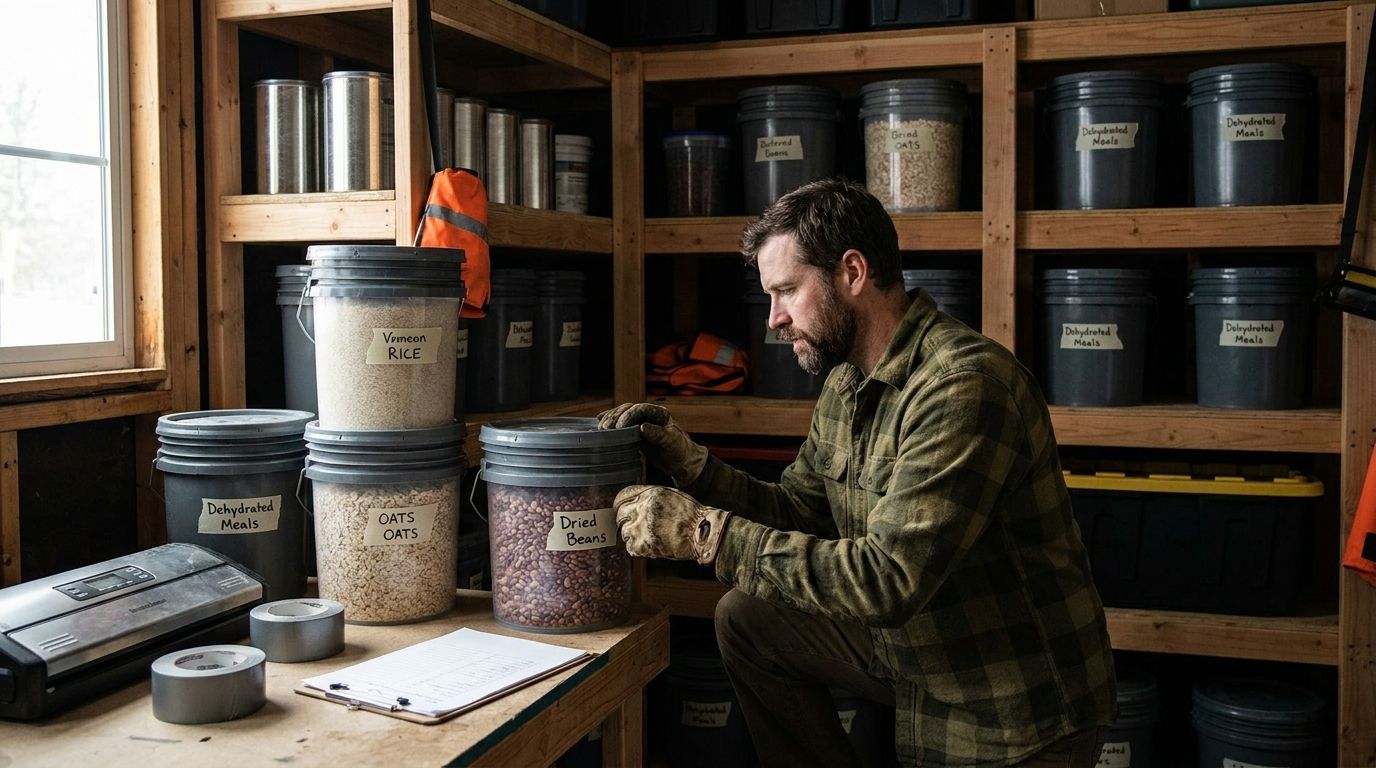
A good starting point is a hard look at your current setup. Are you running through single-use plastics? Pulling food from sources that won't hold up long-term? Take stock. If your supply leans heavily on pre-packaged goods, start mapping a path toward bulk purchases or home-grown alternatives.
The importance of mindset in sustainable prepping
Every small action counts, and that's not a platitude. A 2021 EPA survey found that Americans waste roughly 40% of the food produced each year. When you prep sustainably, you chip away at that number. Start treating your supplies as part of your broader ecological footprint, not just a pile of gear in the corner of your garage. That shift in thinking is what actually drives change.
Eco-friendly survival gear
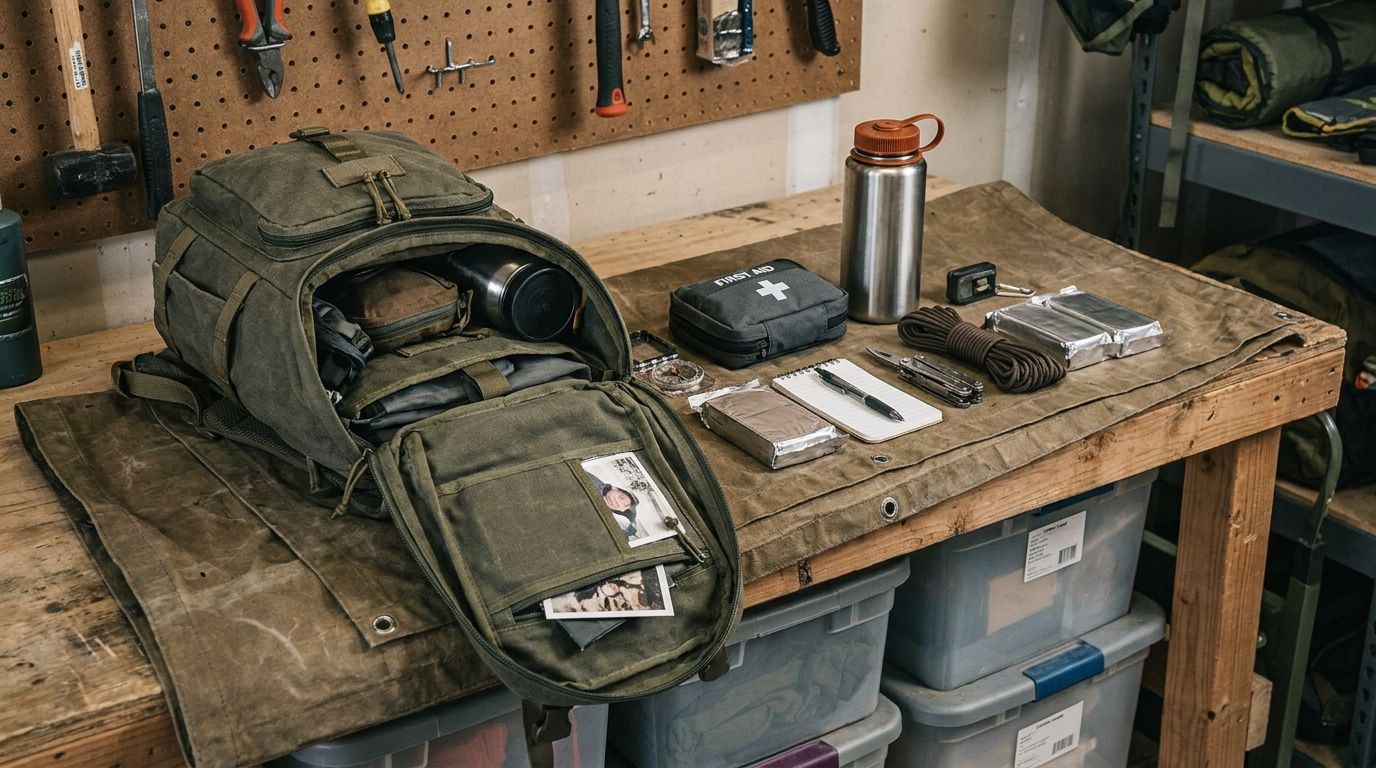
Quality and sustainability aren't a trade-off. Plenty of solid gear is built from biodegradable or recyclable materials. The EcoVessel line of stainless steel water bottles, for instance, are reusable, durable, and don't leach anything into your water.
Multi-purpose tools cut clutter and reduce waste. The Leatherman Wave Plus packs multiple tools into one unit, so you're not accumulating a drawer full of single-use items. Less manufacturing, less disposal, more capability in one package.
Solar-powered gear is worth the investment too. The Goal Zero Nomad 20 Solar Panel keeps your devices charged without touching traditional power sources. Simple addition to your kit, real payoff when the grid goes down.
Gardening for self-sufficiency
Stepping out back and pulling tomatoes, greens, and herbs straight from the ground is the goal. Gardening is one of the most direct ways to build sustainable self-reliance, and you don't need a farm to start. A few pots on a balcony or a single raised bed gets you moving. The National Gardening Association reported a 25% jump in home gardening during the pandemic as people got serious about food security.
The Square Foot Gardening method, developed by Mel Bartholomew, is worth learning. It squeezes maximum output from minimum space while keeping water use tight. Solid approach for anyone working with a smaller yard or an urban lot.
Permaculture principles add another layer. Companion planting, for example, boosts yields and reduces the need for chemical fertilizers. Basil planted next to tomatoes improves both growth and flavor, sounds like a small thing until you've actually tried it. Organic compost enriches the soil, cuts waste, and keeps the whole system feeding itself.
Water conservation techniques
Water is your most critical resource. Start capturing it. Rainwater barrels are straightforward to set up, and a greywater system can redirect household water to your irrigation lines. The EPA estimates rainwater harvesting can save homeowners thousands of gallons annually.
Drip irrigation takes it further, delivering water directly to the root zone and cutting evaporation losses. Your plants do better, and you're not hemorrhaging water into the air.
Look at what community members in Atlanta have done with permaculture-based rain gardens. They capture runoff, filter pollutants, and support local biodiversity, all from a backyard setup. Practical, replicable, and it builds local resilience.
Energy-efficient prepping
Renewable energy belongs in your prep plan. Solar panels can run your home and your operations when the grid fails. The Renogy 100W Solar Panel is designed for straightforward setup and delivers reliable output in a grid-down situation.
Lighting matters too. LED bulbs use a fraction of the power traditional bulbs burn through and last far longer. Solar-powered lights mean you're not draining your battery bank just to see at night. The Luci Outdoor 2.0 lantern runs up to 24 hours on a single charge. Compact, reliable, no fuel required.
For bigger power needs, the Jackery Explorer 1000 is a capable solar generator that handles everything from device charging to small appliances. Clean energy, no emissions, no noise.
Eco-friendly food preservation
Canning, drying, and fermenting are your core methods here, each one effective without the energy overhead of freezing. Fermented vegetables are worth learning first. Sauerkraut and pickles take a few ingredients and some patience, and a 2021 study in the Journal of Food Science confirmed fermented foods can improve gut health. That's a long-term food supply that actually works for your body.
Solar dehydrators can be built at home with basic materials, they dry fruits and vegetables using nothing but sun. Preserves the harvest, uses renewable energy, costs almost nothing to run.
Local resources for food preservation
Local extension offices and farmer's markets regularly run workshops on canning and preservation. These are worth your time. Connecting with local farmers also gives you a read on what's in season and when to expect a surplus, so you're not caught flat-footed at harvest time.
Building community connections
Self-reliance is the foundation, but community makes it stronger. A local prepper group focused on sustainability multiplies what any one person can do. Shared skills, shared resources, shared knowledge.
Organize a workshop. Teach someone to grow food or put up a proper ferment. The American Community Gardening Association found that community garden participation increases both food security and neighborhood cohesion. Cities like Seattle have built serious community garden networks that deliver fresh produce and tighter social fabric at the same time.
Barter is worth building into your network too. Short on fresh herbs? Trade a few jars of your pickles with a neighbor who's running a surplus. That kind of exchange tightens community bonds and keeps you out of the commercial supply chain for things you can source locally.
FAQ
What is sustainable prepping?
Sustainable prepping is the practice of preparing for disruptions while accounting for the environmental impact of your methods and materials. It combines eco-friendly practices with traditional survival skills.
How can I start a sustainable garden?
Begin by assessing your space and climate. Start small with container gardening or a few raised beds. Use organic seeds and consider companion planting to maximize growth and reduce pests. Resources like the National Gardening Association offer solid tips for beginners.
What are some eco-friendly food preservation methods?
Canning, drying, and fermenting are effective methods. Each preserves food without relying on energy-intensive processes like freezing and adds nutritional benefits. Investing in a good canning kit can streamline the process and make it easier to get started.
How can I conserve water in my prepping plans?
Collect rainwater, install a greywater system, and utilize drip irrigation to minimize water waste. These methods can significantly reduce consumption while keeping your garden productive. Local regulations often provide guidelines on rainwater collection, so check your area's laws for details.
What are some renewable energy options for preppers?
Solar panels, wind turbines, and energy-efficient appliances are all solid options. They provide power when traditional sources fail. Research local incentives for renewable energy, as many regions offer tax credits for installation.
How can I find a local prepper community?
Search online for local prepper groups on social media platforms or community boards. Websites like Meetup often have groups dedicated to prepping and sustainability. Attending local farmer's markets or community events can also connect you with like-minded people.
What are the benefits of companion planting?
Companion planting maximizes space and deters pests without chemicals. Certain plants, like marigolds, attract beneficial insects that help pollinate and protect your crops. It also improves soil health and overall yield over time.
Take your prepping to the next level
Fold sustainable practices into your prep strategy and you're not just getting more resilient, you're building something that holds up long after the initial setup. Start with one thing: eco-friendly gear, a garden bed, a solar panel. Then build from there. Every step compounds.

The integration takes time. But what you end up with is a system that doesn't just keep you ready, it keeps running on its own terms, and leaves something worth keeping for the people coming after you.
Want this handled automatically? See the Mainstay membership.
Subscribe to comment
Join the Mainstay newsletter to leave a comment — and get new field notes in your inbox.
Get new field notes in your inbox
Practical, calm preparedness — one useful note at a time.