The art of minimalist prepping: streamlining your survival gear
Discover how to streamline your survival gear with minimalist prepping techniques for efficiency and effectiveness.
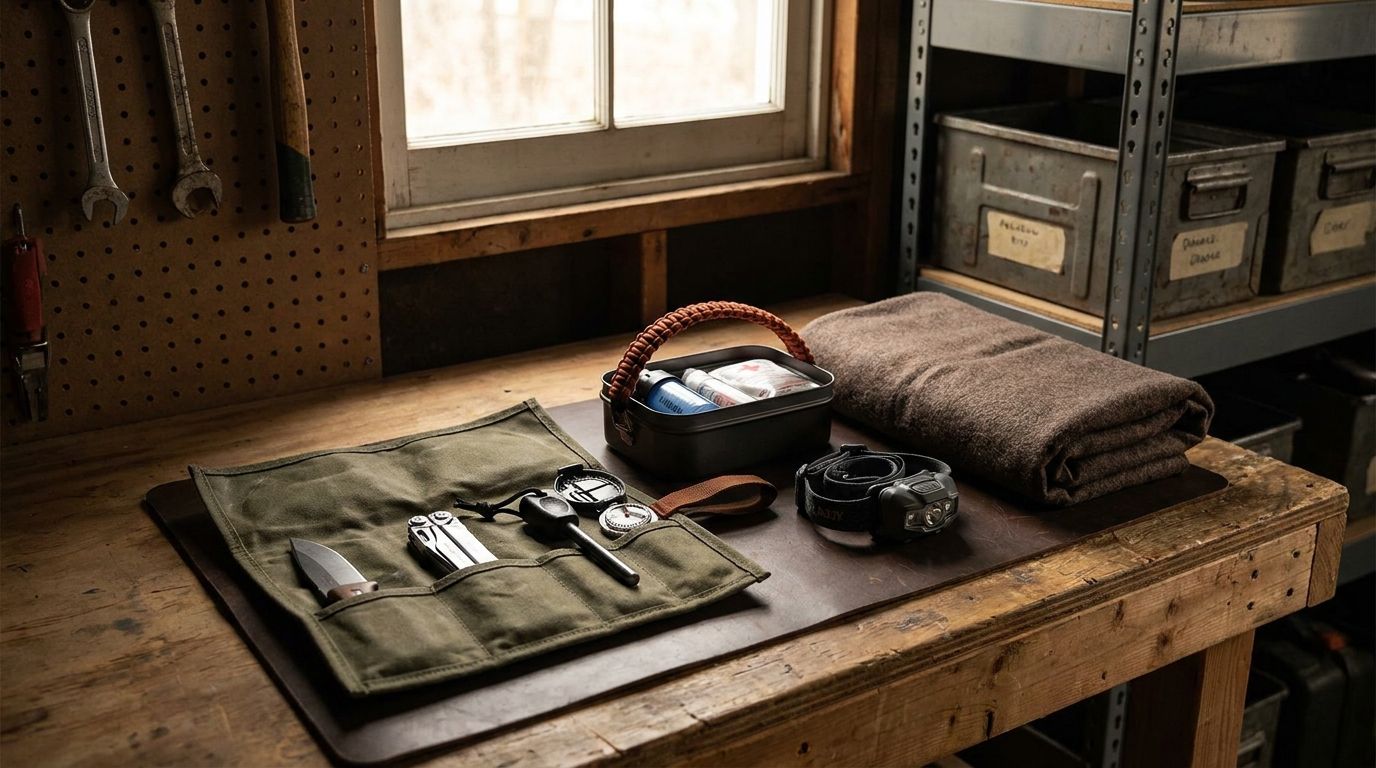
You're standing in your garage, staring at a mountain of gear piled high on shelves. Flashlights, food supplies, tools-the collection has grown over the years and now it's just overwhelming. Being prepared shouldn't mean being buried under stuff you'll never touch. Minimalist prepping is about efficiency and effectiveness, making sure you have exactly what you need without the dead weight. Here's how to cut through the clutter and build a leaner, sharper survival setup.
Understanding minimalist prepping
Minimalist prepping puts quality above quantity. The goal is selecting tools and supplies that pull double or triple duty, which cuts down on gear fast. A 2021 study found that preppers routinely keep more equipment than they need, and the result is confusion and disorganization that undermines the whole point.
Start with your environment. If you're in a flood-prone region, waterproof bags and a portable water filter belong at the top of your list. Urban setting? A multi-tool and a compact portable stove do more work than a shelf of single-use gadgets.
Take Sam Wills, a prepper out of Colorado. His garage looked like a sporting goods store had exploded. After a hard honest assessment, he realized a big chunk of his gear was either redundant or hadn't been touched in years. Cutting down to the essentials cleared out the clutter and, more importantly, the mental noise that came with it.
Assessing your current gear
Before you streamline, you need a full picture of what you're actually working with. Pull everything out. Lay it on the floor or a table and sort it into categories: food, water, tools, first aid, personal items.
Then work through each item with three questions:
- Does this item serve a specific purpose? If you can't give a clear answer, it probably goes.
- Can this item perform multiple functions? A multi-tool replaces several individual tools and takes up a fraction of the space.
- Is this gear reliable? Broken or outdated equipment isn't a backup plan, it's a liability.
Sam ran this exact process before a camping trip and turned up three flashlights, all of them heavy, all of them doing the same job. He swapped them for one compact, high-output light that runs for days on a single charge. Lighter pack, less digging around, better outcome.
Packing efficiently for different scenarios
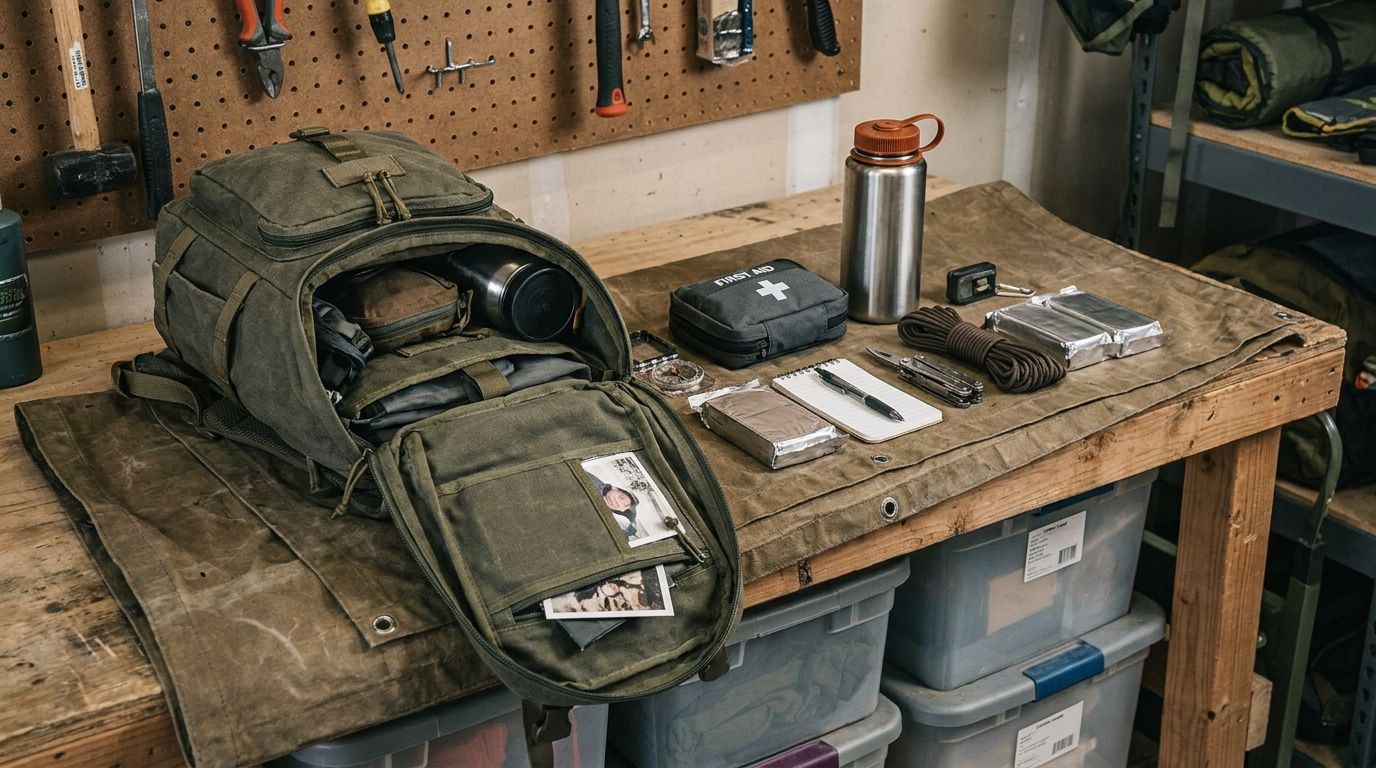
Knowing what to bring is half the battle. Knowing how to pack it is the other half. The two-bag approach works well for a lot of minimalist preppers:
- Main bag: Essential survival supplies - food, water, shelter, first aid.
- Daypack: Quick-access items - flashlight, multi-tool, map, fire starter.
Say you're heading into the Smoky Mountains for a weekend. Weather there turns fast. Rain gear, a first aid kit, and emergency food go in the main bag. Your water bottle and a compact emergency blanket stay in the daypack where you can get to them in thirty seconds without tearing everything apart. That structure means you're reacting, not searching.
Choosing versatile survival gear
Gear that does one thing is gear you can probably leave behind. Here's where to focus:
- Multi-tools: A single Leatherman or Gerber replaces a knife, screwdriver, can opener, and more. One item, built to take punishment.
- Paracord: 100 feet handles shelter rigging, gear securing, and a dozen other field fixes. It weighs almost nothing.
- Solar chargers: Anker and Goal Zero both make compact options that keep your devices running without needing a power source you can't control.
During Hurricane Harvey in 2017, people who'd built minimalist kits adapted faster than those hauling oversized loads. One survivor used a multi-tool to patch a leaking roof with a handful of quick adjustments, no hardware store run required. That's the payoff for investing in quality, multifunctional gear before you need it.
Organizing your gear
A streamlined kit only works if you can find things under pressure. Clear bins and labeled bags are your friends here.
- First aid: One dedicated bag, easy to grab, checked regularly for expired supplies.
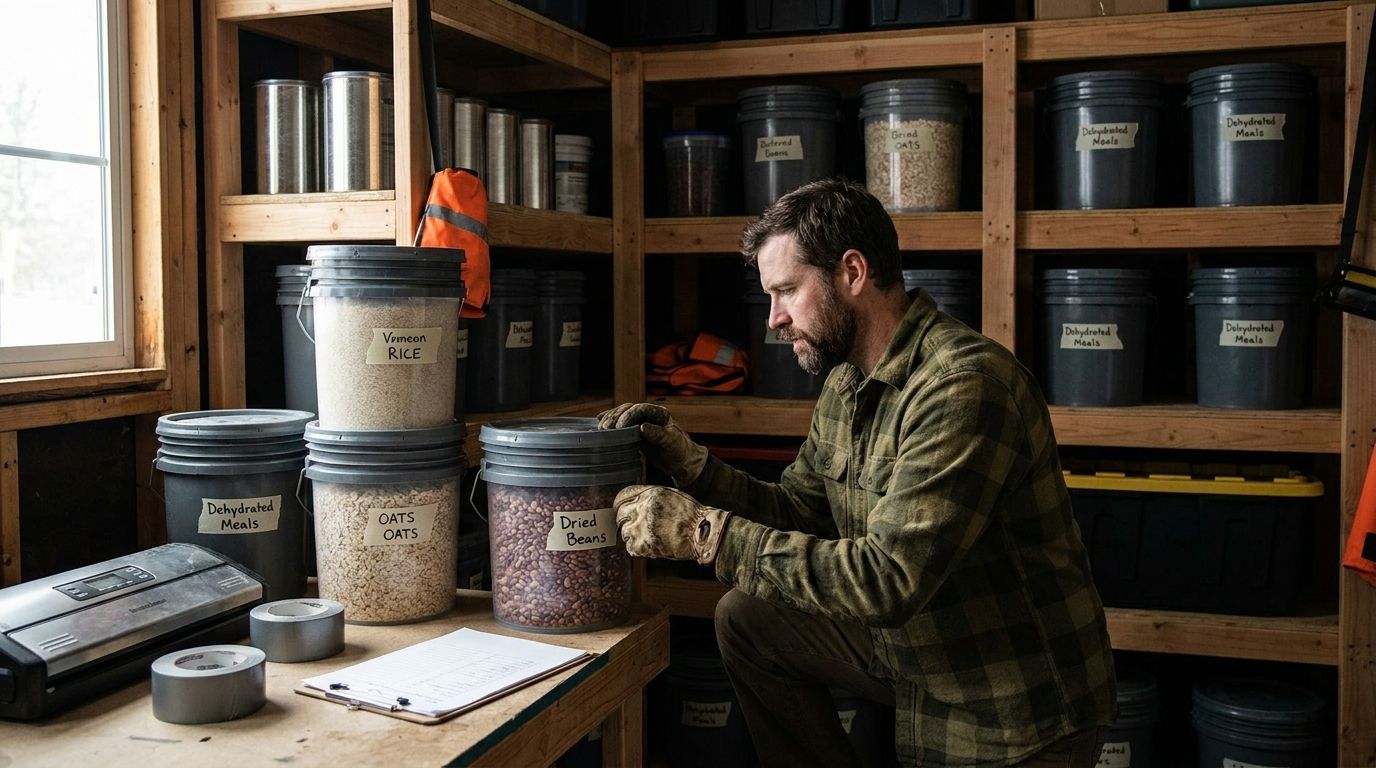
- Food and water: Waterproof containers. Vacuum-seal food where you can to stretch shelf life.
- Tools: A tool organizer keeps your multi-tool, rope, and other essentials in a fixed spot so there's no guessing.
After the California wildfires, survivors consistently said the same thing: organized gear meant faster evacuations. They grabbed what mattered and left the rest. Disorganized supplies cost time people didn't have, and in a fast-moving situation, that time gap is everything.
Training and practice
Gear is only as good as your ability to use it. Schedule regular practice sessions and treat them seriously.
- Test your gear: Run it through real tasks. Does the multi-tool actually handle everything you're counting on it for?
- Practice skills: Start a fire with your fire starter. Set up the tent without looking at the instructions.
- Evaluate: After each session, note what worked and what didn't. Adjust accordingly.
Sam takes mountain weekends specifically to stress-test his kit. On one trip he put a new waterproof bag through a hard rainstorm and found out it did exactly what it promised. That kind of hands-on verification beats any product review. Real conditions tell you things a dry run in the garage never will.
The benefits of minimalist prepping
The advantages stack up quickly once you commit to the approach:
- Efficiency: Less gear means faster access and less stress when it counts. You see what you have because there's nothing hiding it.
- Space-saving: A lean kit takes up less room at home and in a vehicle, which matters if you're working with limited space or need to move fast.
- Cost-effective: High-quality, versatile items cost more upfront but replace several cheaper single-use pieces. The math works out.
The deeper payoff is a mindset shift. Minimalist prepping trains you to think in terms of what actually works, not what might come in handy someday. That clarity carries into every part of your readiness plan.
FAQ
What is minimalist prepping?
Minimalist prepping is the practice of reducing survival gear to essentials that serve multiple purposes, focusing on efficiency and effectiveness rather than quantity.
How do I start streamlining my gear?
Begin by assessing what you have, categorizing supplies, and identifying duplicates or outdated items. Then, prioritize versatile gear that serves multiple functions. Consider using a checklist to help you keep track of what you're keeping and what you're letting go.
Why is organization important in prepping?
Organization helps you quickly locate essential items during an emergency, reduces stress, and ensures you have what you need when you need it. Disorganization can lead to wasted time and even missed opportunities to respond effectively.
How can I practice my prep skills effectively?
Regularly schedule practice sessions where you test your gear, practice survival skills, and evaluate your performance for improvements. Consider enrolling in local survival courses or joining a prepper group to gain additional insights and experience.
What are some must-have items for a minimalist prepper?
Key items include a multi-tool, portable water filter, first aid kit, and versatile clothing items that cater to different weather conditions. Additionally, having a reliable communication device and a basic emergency food supply is crucial.
Can minimalist prepping work for families?
Absolutely. Minimalist prepping can be adapted for families by focusing on gear that everyone can use and understand. Involve family members in the assessment and packing process, ensuring everyone knows where supplies are and how to use them.
How can I ensure my supplies stay fresh?
Regularly rotate your supplies, especially food and medical items. Set reminders on your calendar to check expiration dates and replace items as necessary. This practice ensures that you always have fresh supplies ready when you need them.
Prepping doesn't have to feel like you're managing a warehouse. Cut the excess, invest in gear that earns its place, and run regular practice so you know your kit cold. Start with the assessment, focus on versatile tools, and build the habit of testing what you own. When something unexpected hits, you'll have a tight, organized kit and the skills to back it up.

Want this handled automatically? See the Mainstay membership.
Subscribe to comment
Join the Mainstay newsletter to leave a comment — and get new field notes in your inbox.
Get new field notes in your inbox
Practical, calm preparedness — one useful note at a time.