The importance of skills over supplies: what every prepper should learn
In prepping, skills often outweigh supplies. Learn why becoming self-reliant is essential for every prepper.
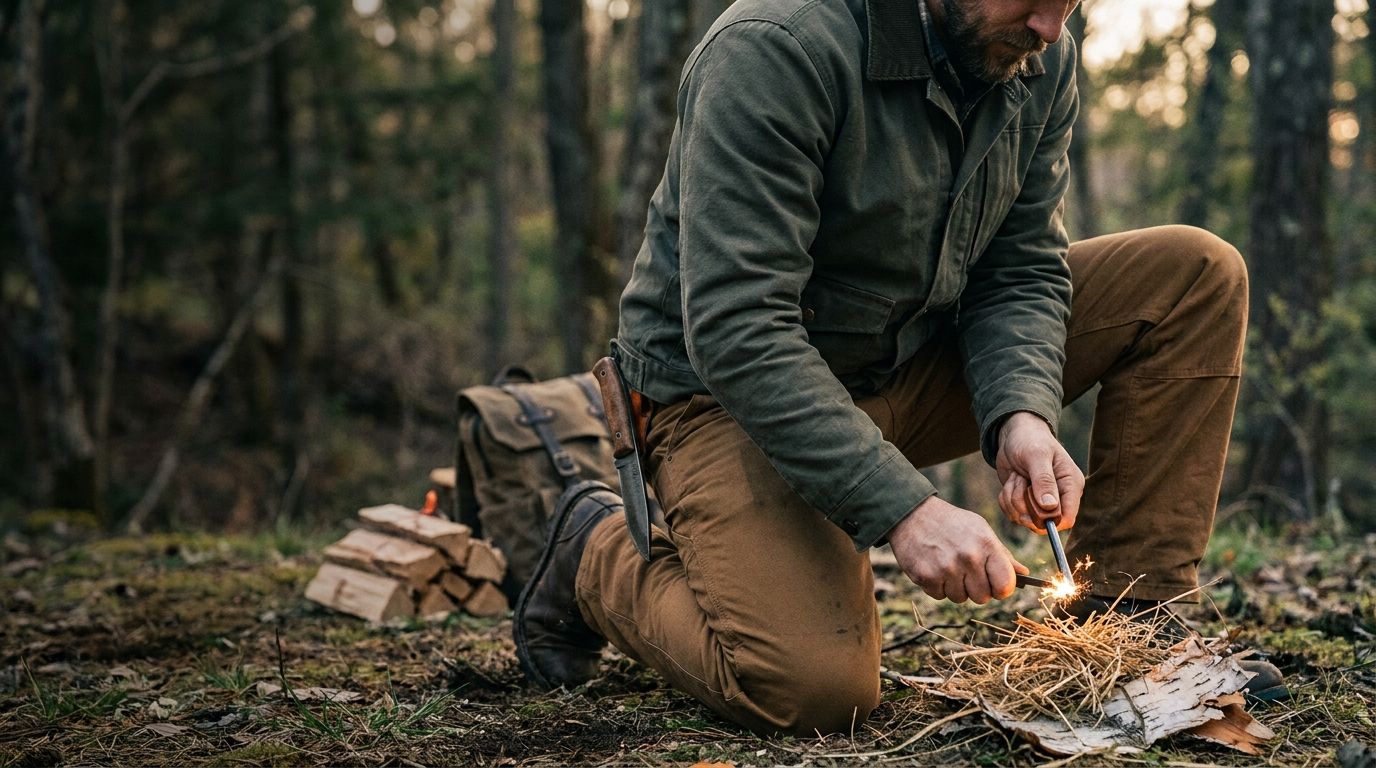
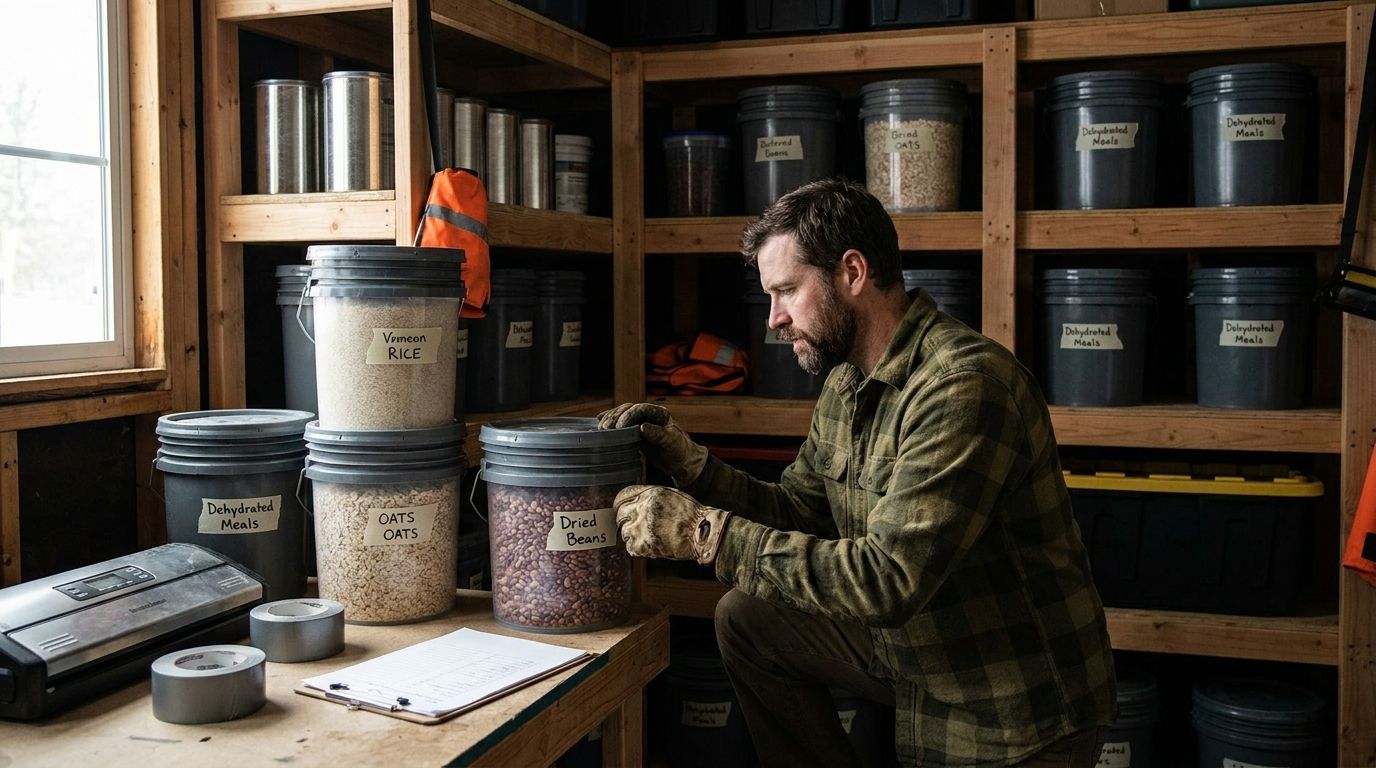
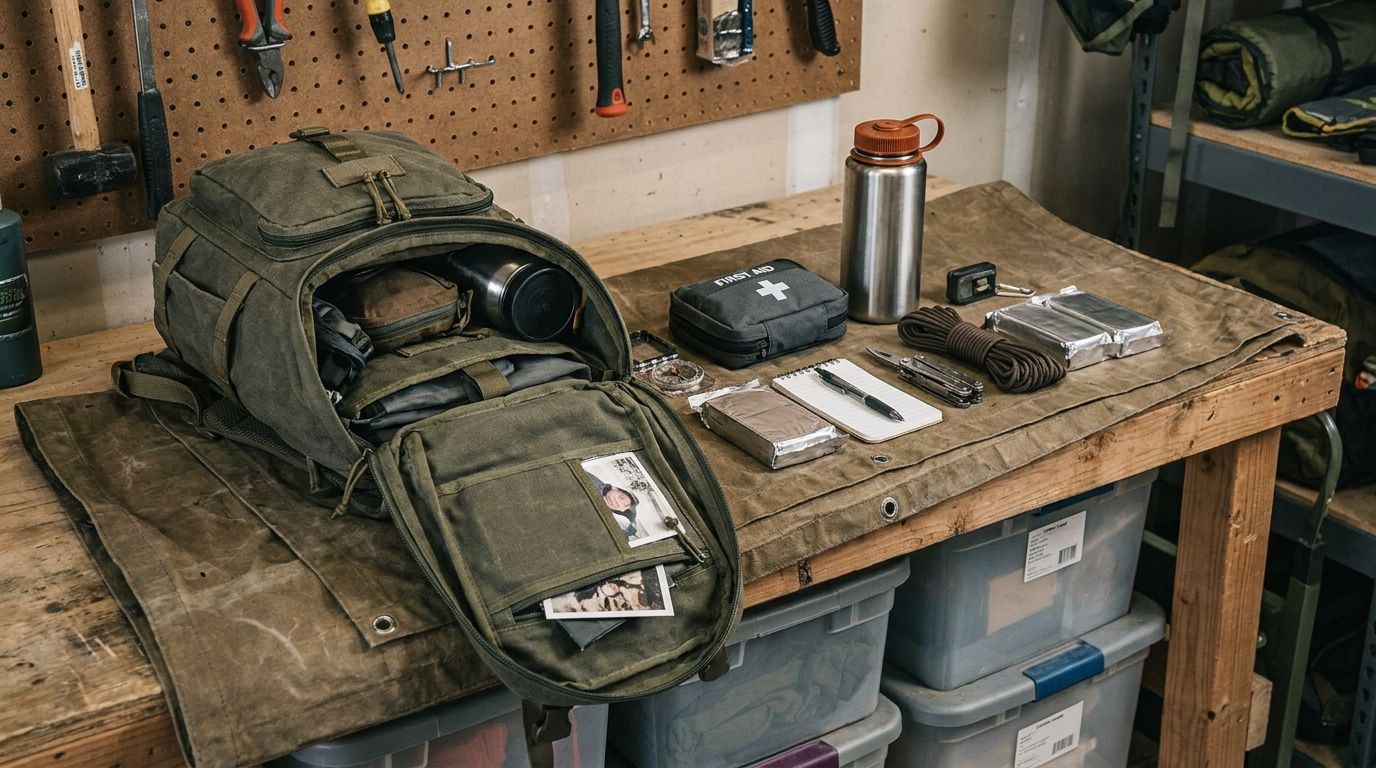
The sun was barely peeking over the horizon when Sam Wills stepped out into his backyard, coffee in hand. Today wasn't just another day. It was the day he'd finally put his survival skills to the test. He had spent months accumulating supplies, canned goods, water filtration systems, emergency tools, but what he hadn't focused on nearly as much was the knowledge needed to use any of it when it counted.
As he looked at the pile of gear stacked against the fence, Sam couldn't shake the feeling that something was missing. He had read the books, watched the videos, attended a few workshops. But actually practicing those skills in real conditions felt different. What if he couldn't get a fire going in the rain? What if he lost his bearings three miles into the woods?
Sam's first honest realization was this: it's not just about having the gear. It's about knowing what to do when that gear fails, runs out, or isn't there at all.
Skills provide adaptability
Supplies are finite. Skills aren't. Picture yourself out in the field and your backup water filter cracks at a seam. If you've learned how to locate and treat water from natural sources, you adapt and move on. If you haven't, that broken filter is a serious problem, and no amount of stockpiling got you ready for it.
A few core skills every prepper should be actively developing:
- Fire-making: Vital for warmth, cooking, and signaling. Whether you're working with flint and steel or a ferro rod, practice until the motion is automatic, not something you have to think through.
- Shelter-building: Knowing how to throw together a functional shelter protects you from exposure. Spend an afternoon in your backyard running through different builds. Seriously, just do it.
- Foraging: Nature puts food in front of you constantly. The trick is knowing what's edible and what'll put you on the ground. Learn the plants and mushrooms specific to your region, not just the generic stuff from a national field guide.
These aren't nice-to-haves. They let you stay functional when your stockpile can't.

Training is essential
The best way to lock in skills is through deliberate, intentional training. Not obsessive workshop-hopping, but focused learning with real follow-through.
Start by finding courses or online programs that cover the specific skills you're weakest in. A few categories worth your time:
- Wilderness survival courses: Good ones cover shelter, foraging, navigation, and water sourcing as a connected system, not isolated tricks.
- First-aid training: Knowing how to manage a bad cut, a broken bone, or cardiac arrest changes outcomes. CPR certification is a floor, not a ceiling.
- Self-defense classes: Physical capability matters. The ability to protect yourself and the people with you isn't a luxury consideration.
And don't sleep on community learning. Local prepper groups and online forums are full of people with hands-on knowledge they're willing to share. Someone in your area has probably already figured out the thing you're struggling with.
Practice makes perfect
Knowing a skill and being able to execute it under pressure are two very different things. Think of it like a muscle: the more you use it, the stronger it gets. Block out time each month to run through different skills. You don't need a backcountry trip every time either, your backyard works fine for a lot of this.
A few ways to actually build the habit:
- Run a mini survival challenge: Give yourself a full day using only your skills and minimal gear. Forage something. Build a shelter. Start a fire without a lighter. See where the gaps are.
- Cook a meal using only field methods: Take it outside and use only what you'd have in a bug-out situation. You'll quickly figure out what's actually worth carrying and what's dead weight.
- Teach someone else: Teaching forces you to understand something well enough to explain it clearly. Walk a friend or family member through a skill, their questions will expose holes in your own knowledge you didn't know were there.
Balancing supplies and skills
It's easy to fall into the trap of thinking more supplies equals better preparedness. A well-stocked supply of food, water, and tools matters, but skills are the foundation everything else sits on.
Supplies can be lost, damaged, soaked, or stolen. Your skills go where you go.
Here's how to think about striking the right balance:
- Inventory your skills: Write down what you actually know how to do versus what you've only read about. Be honest. Prioritize training based on the gaps you find.
- Evaluate your supplies through a skills lens: As your capabilities grow, you'll find some supplies are redundant and others you've been missing entirely. Let your skills inform your purchases, not the other way around.
- Revisit your training regularly: Needs shift. New tools emerge. A skill you didn't prioritize six months ago might be exactly what your setup is missing now.
FAQ
Why are survival skills important for preppers?
Survival skills are crucial because they allow you to adapt to changing situations. If supplies run low or become unusable, having the skills to find food, water, and shelter can make the difference between life and death.
How can I start learning survival skills?
Begin by identifying which skills interest you the most. Look for local courses, online workshops, or even books and videos. Practicing regularly and joining a community of fellow preppers can also enhance your learning experience.
What should I prioritize: skills or supplies?
While both are important, prioritizing skills can provide you with the ability to handle situations when your supplies run out. Focus on building a strong skill set that allows you to be resourceful and adaptable.
How can I practice survival skills at home?
You can practice skills like fire-making, cooking with minimal supplies, or even setting up a small shelter in your backyard. Create challenges for yourself to simulate real survival situations.
Sam stood in his backyard, the sun now fully risen. Something had shifted. It wasn't just about the gear stacked against the fence, it was about what he could actually do when the moment required it. His journey into prepping was just beginning, but for the first time, he felt like he was building something that would hold up under real pressure.
Focusing on skills over supplies is how you move from collector to capable. You're not just stacking gear in a corner. You're building the kind of self-reliance that doesn't evaporate when a filter cracks or a bag gets left behind. Take that first step. You've got this.
Want this handled automatically? See the Mainstay membership.
Subscribe to comment
Join the Mainstay newsletter to leave a comment — and get new field notes in your inbox.
Get new field notes in your inbox
Practical, calm preparedness — one useful note at a time.