The psychological side of prepping: mental preparedness for emergencies
Mental preparedness is as crucial as physical supplies. Explore how to build resilience and an emergency mindset.
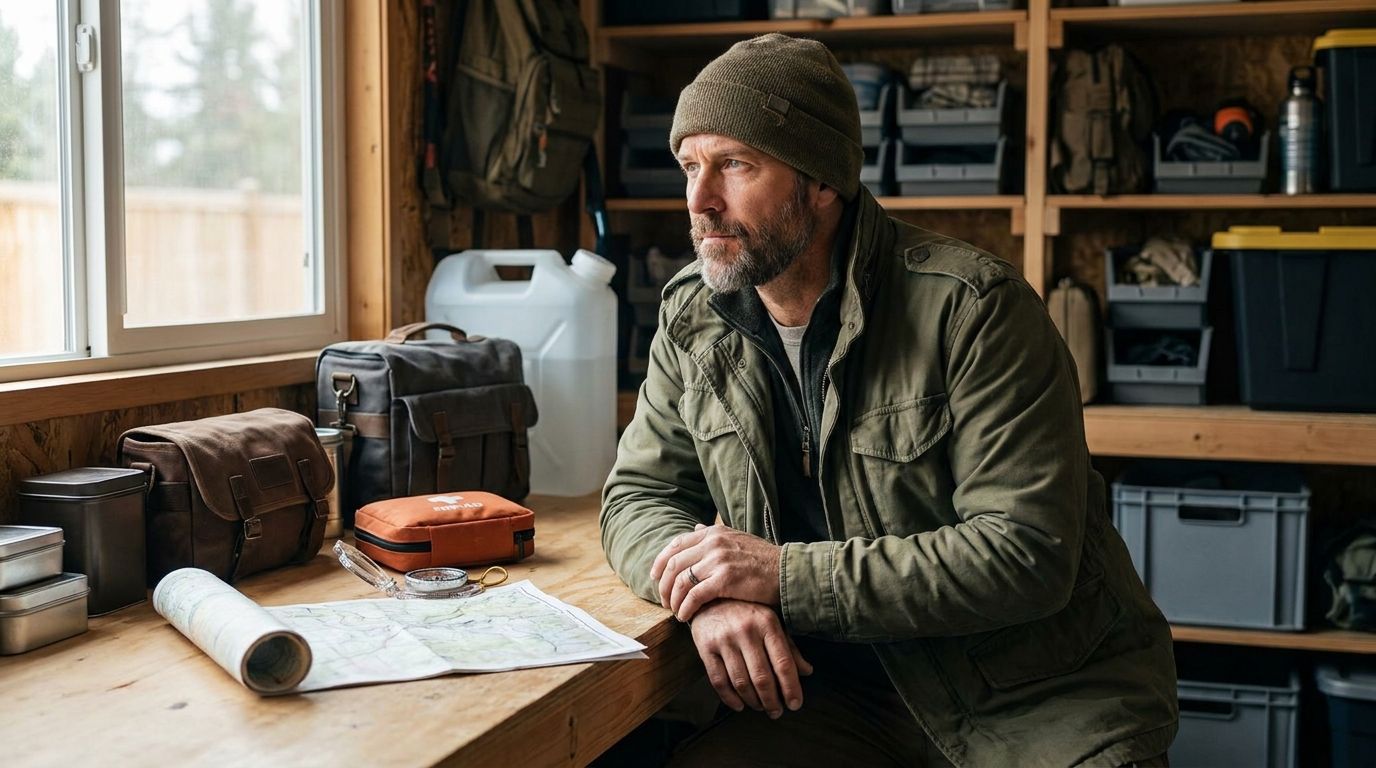
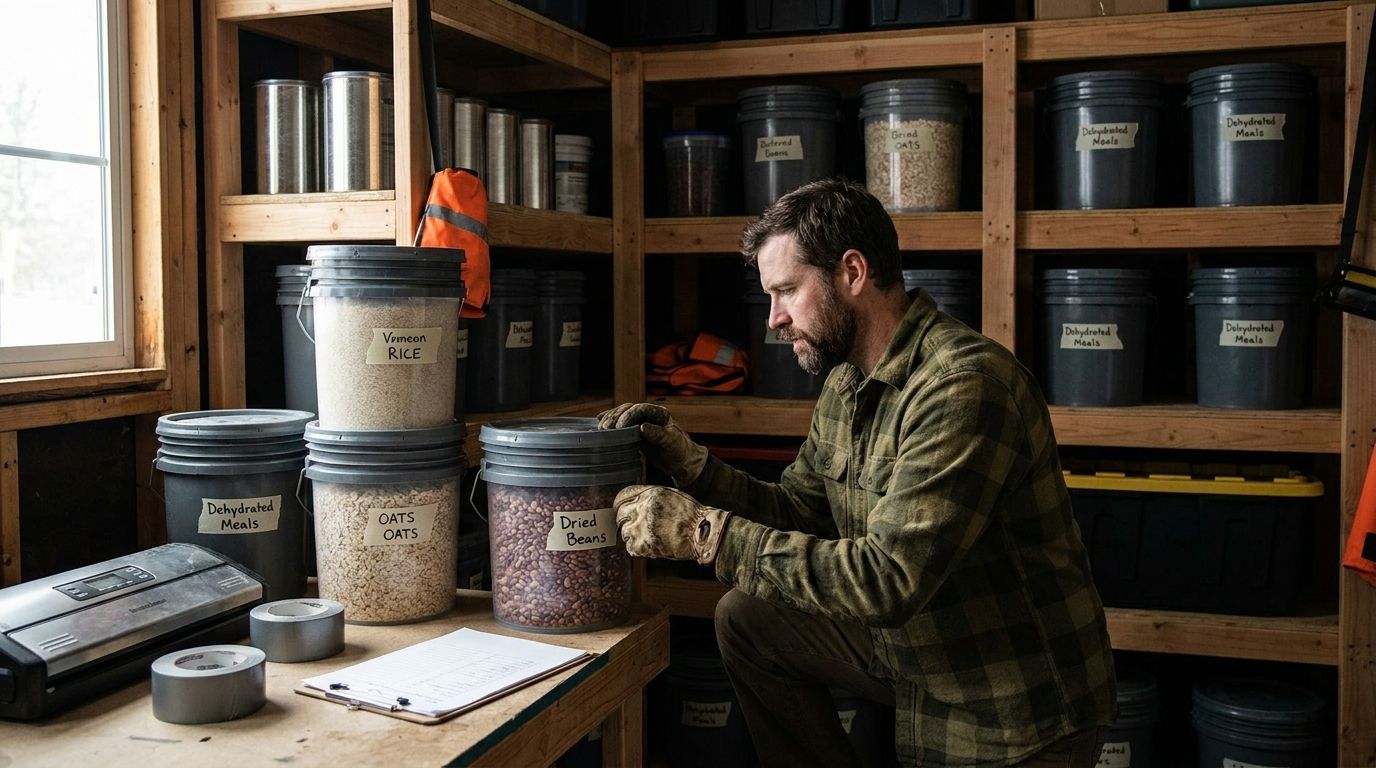
It was a typical Saturday morning when Sam Wills decided to tackle the clutter in his garage. As he sorted through old camping gear and long-expired food supplies, a sudden noise outside stopped him cold. A neighbor's dog wouldn't quit barking, and that familiar knot of anxiety started tightening. What if his family needed to move fast? What if a storm rolled in without warning? Moments like that have a way of reminding you that readiness isn't just about what's on your shelves.
In this post, we'll get into the psychological side of prepping. Mental preparedness can be the difference between chaos and calm when things go sideways. Understanding how to build that emergency mindset means you're not just stocked up, you're actually ready.
Understanding mental preparedness
Mental preparedness is the ability to stay calm and make sound decisions when the pressure is on. It's not just about knowing the plan; it's about how you hold up when it's time to execute it. That resilience gets built over time, shaped by your training, your experiences, and occasionally, the hard lessons.
One of the most effective ways to build it is visualization. Picture a scenario where you need your emergency supplies. See yourself retrieving the kit, reading the situation, deciding what comes first. Run that mental rep enough times and your brain starts treating it as familiar territory, not a crisis.
Drills matter just as much. A lot of preppers simulate evacuations, whether it's a fire or a flood forcing them out fast. The repetition turns reactive panic into practiced response. This is especially true if you've got kids in the picture, where the stakes feel a lot heavier.
Practical takeaway
- Practice visualization: Spend time imagining various emergency scenarios and how you would react. This builds familiarity and a sense of control.
- Engage in drills: Conduct regular training exercises with family and friends to simulate emergency situations and practice your responses.
Building resilience in the face of uncertainty
Uncertainty isn't a problem to solve. It's a condition to manage. And acknowledging that openly actually gives you more control, not less.
Think about how you respond when something blindsides you. Do you freeze? Panic? Move? Knowing your default reaction lets you train around it. If you tend to lock up, run more drills. If anxiety spikes fast, get a breathing technique in your toolkit. The 4-7-8 method works well here: inhale for four seconds, hold for seven, exhale for eight. It's simple, it's fast, and it pulls your nervous system back from the edge when your mind is running hot.
Resilience is also about what you tell yourself in the moment. You've handled hard things before, a job loss, a medical scare, a situation that looked unworkable until it wasn't. Every one of those moments is evidence. Use it.
And watch your self-talk. Negative thoughts compound fast under stress. Swap them out deliberately. "I can handle this" and "I have what I need" aren't just feel-good phrases, they redirect your focus from fear toward function.
Practical takeaway
- Embrace uncertainty: Understand that uncertainty is part of life. Focus on your strengths and how you've adapted to challenges in the past.
- Practice positive self-talk: Use affirmations to boost your confidence and shift your mindset during stressful situations.
The role of community in psychological prepping
You don't have to run this solo. A solid network sharpens your mental game as much as any drill.
Find or start a local prepper group. Swap strategies, trade hard-won experience, and listen. Hearing how someone else kept it together during a wildfire evacuation or a grid-down weekend teaches you things no manual covers. At a meetup in Sam's town, one member walked through exactly how he managed the stress of a rushed evacuation and why having a buddy system saved him critical minutes. That kind of firsthand account sticks with you.
Don't underestimate emotional support, either. Knowing there are people in your corner when things get serious lowers the baseline anxiety considerably. Talking through your concerns with others tends to reinforce your own thinking as much as it helps them.
Online communities fill the gap when local groups aren't an option. Forums, social media groups, and prepping-focused podcasts can all provide both information and a sense of connection. Being part of a larger conversation keeps your perspective fresh.
Practical takeaway
- Build a community: Connect with fellow preppers. Share strategies and experiences, and provide emotional support to one another.
- Explore online resources: Join online forums and social media groups to expand your knowledge and connect with others.
Maintaining mental preparedness over time
Your mindset needs the same rotation schedule as your supplies. Set it and forget it doesn't work here.
Block out time each month to honestly assess where your head is at. Run through some scenarios mentally. Notice where you hesitate. Journaling helps with this, it turns vague anxiety into something you can actually look at and address. Over time, you'll also see how far you've come.
Mindfulness practices pull real weight here too. Meditation, time outdoors, even consistent exercise, these aren't soft additions to a prep plan, they're maintenance for the tool you'll rely on most. Apps like Headspace or Calm are a low-friction way to start a daily practice if you haven't already. Short sessions compound fast.
And keep doing things you're good at, hobbies, physical challenges, activities that put you in a state of focus and competence. A local hiking club isn't just cardio, it's a weekly reminder that you're capable and connected.
Practical takeaway
- Regularly assess your mindset: Set aside time each month to evaluate your mental preparedness. Engage in activities that promote mental well-being.
- Incorporate mindfulness practices: Explore meditation, yoga, or outdoor activities to enhance your mental resilience.

FAQ
Why is mental preparedness important for preppers?
Mental preparedness helps you stay calm and make effective decisions during emergencies. It allows you to manage stress and react appropriately, which can be crucial in high-pressure situations. For example, during a natural disaster, having a clear mind can help you prioritize tasks and keep your family safe.
How can I build mental resilience?
You can build resilience by practicing visualization, embracing uncertainty, engaging in community support, and regularly assessing your mindset. These strategies can help strengthen your mental preparedness over time. Additionally, activities like journaling and mindfulness can enhance your emotional well-being.
What should I do if I feel overwhelmed by prepping?
It's normal to feel overwhelmed. Take a step back and focus on one aspect of preparedness at a time. Consider reaching out to your prepper community for support and guidance. Refocusing your efforts can help ease feelings of anxiety. Remember, it's okay to ask for help or take breaks when needed.
How often should I evaluate my mental preparedness?
Aim to assess your mental preparedness at least once a month. Regular reflection keeps you aware of your emotional responses and gives you room to adjust. That can mean journaling, a check-in with a buddy, or simply sitting down and working through how you'd handle a few different scenarios.
Can mindfulness really help in emergencies?
Yes, mindfulness can be a powerful tool in emergencies. It promotes clarity and calmness, which can help you make better decisions under pressure. Practicing mindfulness techniques regularly can train your brain to respond more effectively in high-stress situations.
Your prepping journey is a personal one. You're not just building a stockpile, you're building the mental capacity to use it well under pressure. Put in the reps, stay connected to your community, and cut yourself some slack as you figure out what works. Every step forward counts.
Want this handled automatically? See the Mainstay membership.
Subscribe to comment
Join the Mainstay newsletter to leave a comment — and get new field notes in your inbox.
Get new field notes in your inbox
Practical, calm preparedness — one useful note at a time.