The ultimate checklist for prepping: what to include in your supply inventory
Get organized with our comprehensive prepping checklist to manage your supply inventory effectively, ensuring you're always ready for any situation.
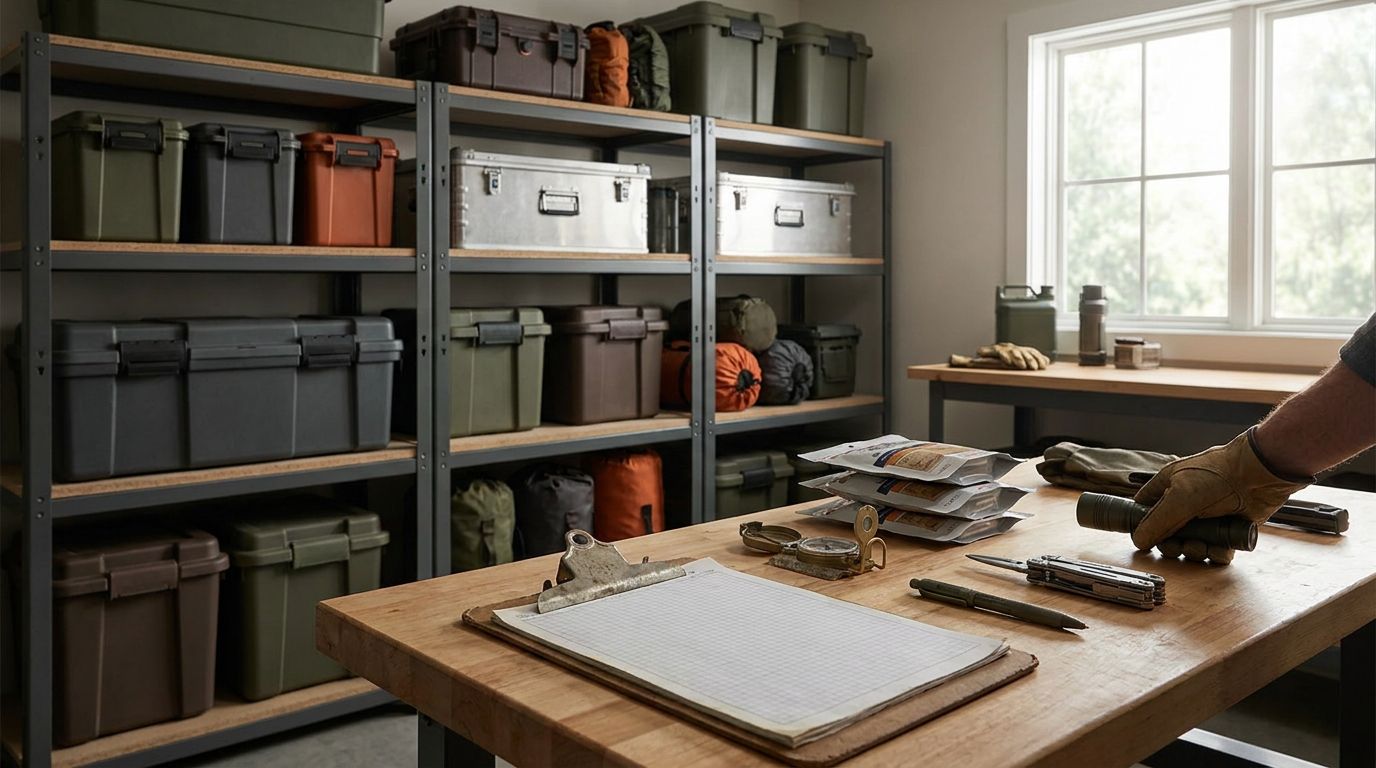
You step into your garage and the scene is familiar: towers of canned goods, a first aid kit shoved behind a box of who-knows-what, tools that haven't seen daylight since last spring. But do you actually know what's in there? What's about to expire, what's doubled up, what's missing entirely? A thorough prepping checklist transforms that jumble into a supply inventory you can actually trust - and that trust is worth more than any single item on the shelf.
Why an organized supply inventory matters
Picture a storm that kills the power for four days straight. You're digging through mismatched cans by flashlight, squinting at labels, guessing at quantities. Stressful doesn't cover it. An organized inventory cuts through that chaos - you know what you have, you can plan meals around it, and you stop throwing money at duplicates you didn't realize you owned.
The numbers back this up. A 2022 American Red Cross survey found that 73% of people felt more prepared when they were organized. And according to the National Association of State Budget Officers, households that maintain a supply inventory typically save 20% on grocery bills compared to those flying blind. Organization isn't just a comfort - it's a financial strategy.
Essential items for your prepping checklist
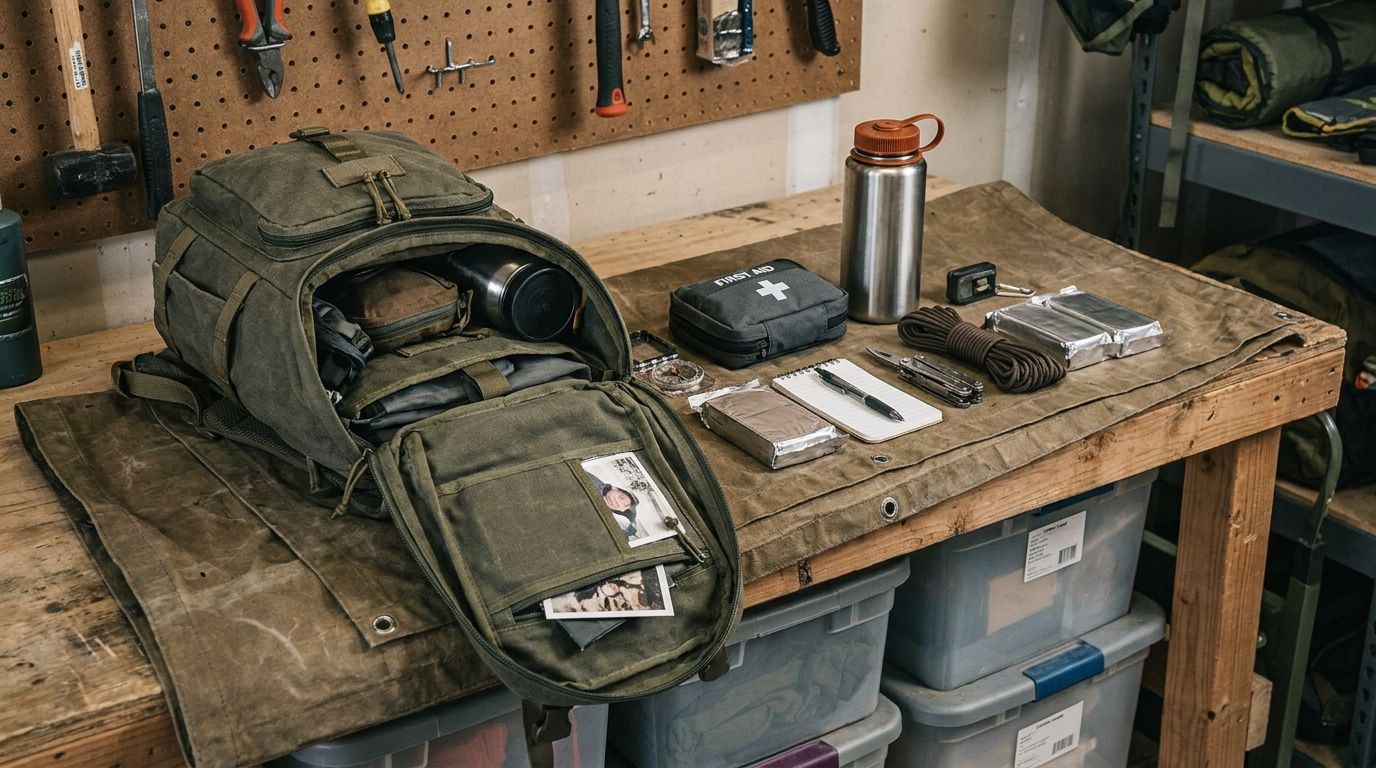
Start with the basics. Here's a breakdown of categories you should include in your prepping checklist:
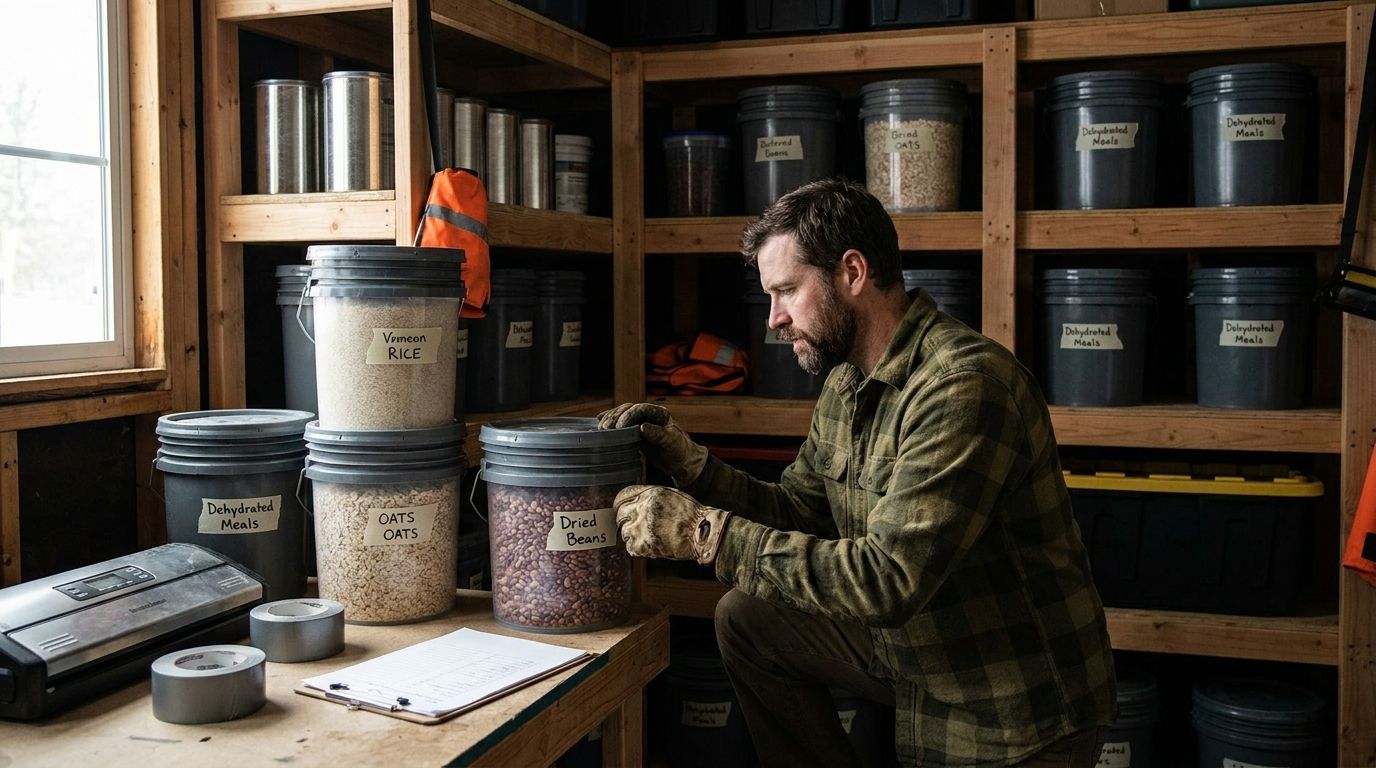
- Food: Non-perishable items should dominate this section. Think canned vegetables, rice, beans, and freeze-dried meals. Include a variety of easy-to-cook options. A family in Montana found that having a two-week supply of comfort foods made their experience during a recent blizzard less daunting. During that storm, they relied on their stocked canned soups and freeze-dried meals, which not only filled their bellies but also lifted their spirits.
- Water: Store at least one gallon of water per person per day. Plan for a minimum of three days, but a week or more is ideal. Consider water purification tablets as well. The CDC recommends that households have at least a two-week supply of water, and this becomes even more crucial in areas prone to natural disasters like hurricanes or wildfires.
- First Aid Kit: Stock it with bandages, antiseptic wipes, pain relievers, and any prescription medications. A recent study by the CDC noted that over 1.7 million Americans are injured each year in situations where first aid could have made a difference. In 2021, a family in North Carolina used their first aid supplies to treat a minor injury during a hiking trip, enabling them to continue their adventure without needing to seek outside help.
- Tools and Supplies: This includes a flashlight, batteries, multi-tools, and duct tape. Keep a portable generator if you have the means. Many preppers also recommend having a backup power source, such as solar chargers, to ensure you can keep devices charged during an outage.
- Personal Hygiene Products: Don't forget soap, hand sanitizer, toilet paper, and feminine hygiene products. A family in New Jersey learned the hard way that hygiene hits morale fast. During a week-long blackout, they ran out of soap and toilet paper, and what was already a rough situation tipped into genuinely miserable.
- Clothing and Blankets: Pack extra clothing, socks, and blankets for warmth. Depending on your local climate, consider items like rain gear or sturdy boots. A prepper in Colorado shared how having extra winter gear helped his family stay warm during an unexpected snowstorm when they lost power for three days.
Keeping track of expiration dates
A solid inventory doesn't just list what you have - it tracks when things expire. You might think you'll remember that the canned soup runs out in 2025, but life moves fast, and soup cans all look the same at 2 AM. Build a rotating system: older items up front, newer ones in the back. This is FIFO - First In, First Out - and it's the simplest way to keep your stock genuinely usable rather than technically present.
Label everything. A permanent marker on the top of a can takes three seconds and saves you from cracking open something that expired two years ago when you actually need it.
For those who prefer technology, inventory management apps like Pantry Check and MyFoodStorage let you log expiration dates and set replenishment reminders. If a family in Florida can manage an extensive multi-category supply inventory through an app, it's well within reach for most preppers.
Utilizing technology for prep organization
Apps like Prepper's Inventory and MyFoodStorage let you log supplies, track dates, and get nudged when something needs rotating or replacing. Sam Wills, a prepper in Oregon, inputs new purchases the moment he gets home - no guesswork, no "I think I have one of those somewhere." His inventory is current within the hour.
Shared access is another underrated feature. When your whole household can see the same inventory, everyone shops smarter. Sam's family sets aside one day a month to review supplies together, so nobody's duplicating purchases or missing a gap.
And if apps aren't your thing? A Google Sheet with columns for item name, quantity, expiration date, and notes does the job cleanly - easy to sort, easy to filter, works on any device.
Regularly reviewing your inventory
Schedule it. Monthly check-ins keep perishables in rotation and surface items you no longer need. A family in Texas discovered, after a year of neglect, that they'd stockpiled snacks their kids had long since stopped eating - a perfect opportunity to donate and restock with things that would actually get used.
During each review, ask yourself:
- Are there items I should add based on my family's changing needs?
- Do I need to adjust quantities based on seasonal factors?
- Are there supplies that need to be rotated out?
Seasonal thinking matters here, too. As winter approaches, extra blankets and warm layers earn a spot on the list. Come summer, sunscreen and insect repellent move up in priority. Your inventory should shift with the calendar, not sit static year after year.
Creating a family plan around your inventory
The checklist is only half of it. The other half is knowing what to do with what you've got. Talk through different scenarios with your household - power outages, evacuation, extended grid disruption - so the plan exists in people's heads, not just on paper. Practice drills. It sounds formal, but a family in California credited their drills with keeping them calm and coordinated during fire season, when every second of hesitation costs you.
A solid family plan covers at least these three pillars:
- Communication: Establish a centralized way to communicate during emergencies, whether it's through text messages or a designated meeting point.
- Roles and Responsibilities: Assign specific roles to each family member. For example, one person might be in charge of food preparation, while another manages first aid supplies.
- Emergency Contacts: Maintain a list of emergency contacts, including local authorities, family members, and friends who can help.
Shared responsibility also means shared confidence. Nobody's standing around waiting to be told what to do.
FAQ
What should I prioritize on my prepping checklist?
Focus on essentials like food, water, first aid supplies, and personal hygiene items. Non-perishable food and a reliable water source should be at the top of your list.
How often should I review my supply inventory?
Aim for monthly reviews, but quarterly is also effective. Regular checks help you keep track of expiration dates and ensure you have what you need.
What are some easy meals to store for emergencies?
Canned soups, pasta, rice, and freeze-dried meals are excellent options. They require minimal preparation and last for long periods. You can even consider meal kits that include all necessary ingredients in one package.
Can I use apps for inventory management?
Absolutely! Many apps help you track supplies and expiration dates. They simplify the process and make it easier to stay organized. Some apps even allow you to create shopping lists based on what you need to replenish.
Should I involve my family in prepping?
Yes, involving your family fosters teamwork and preparedness. Make it a fun activity where everyone contributes to the inventory and planning. It can even serve as an educational opportunity for children to learn about emergency preparedness.
How do I safely dispose of expired supplies?
Check local guidelines for disposing of expired food and medications safely. Most communities have specific protocols for hazardous waste. For food, you can compost non-perishable items if safe, or discard them in accordance with local regulations.
What supplies are essential for pets during emergencies?
If you have pets, include food, water, medications, and comfort items for them in your inventory. Many preppers recommend keeping at least a two-week supply of food and any specific items your pet may require.
An organized supply inventory is, at its core, about knowing - not hoping, not guessing, knowing - what you have and what you need. Take the time to build a real checklist, loop your family into the process, and review it on a schedule you'll actually keep. Every item you catalog and every check-in you complete is a concrete step toward the kind of clarity that holds up under pressure. Grab that notepad. Start with what's in the garage right now. Go from there.

Want this handled automatically? See the Mainstay membership.
Subscribe to comment
Join the Mainstay newsletter to leave a comment — and get new field notes in your inbox.
Get new field notes in your inbox
Practical, calm preparedness — one useful note at a time.