The ultimate guide to tactical gear: what every prepper needs
Discover essential tactical gear every prepper should have for effective survival. Equip yourself with the right tools and knowledge to stay ready.
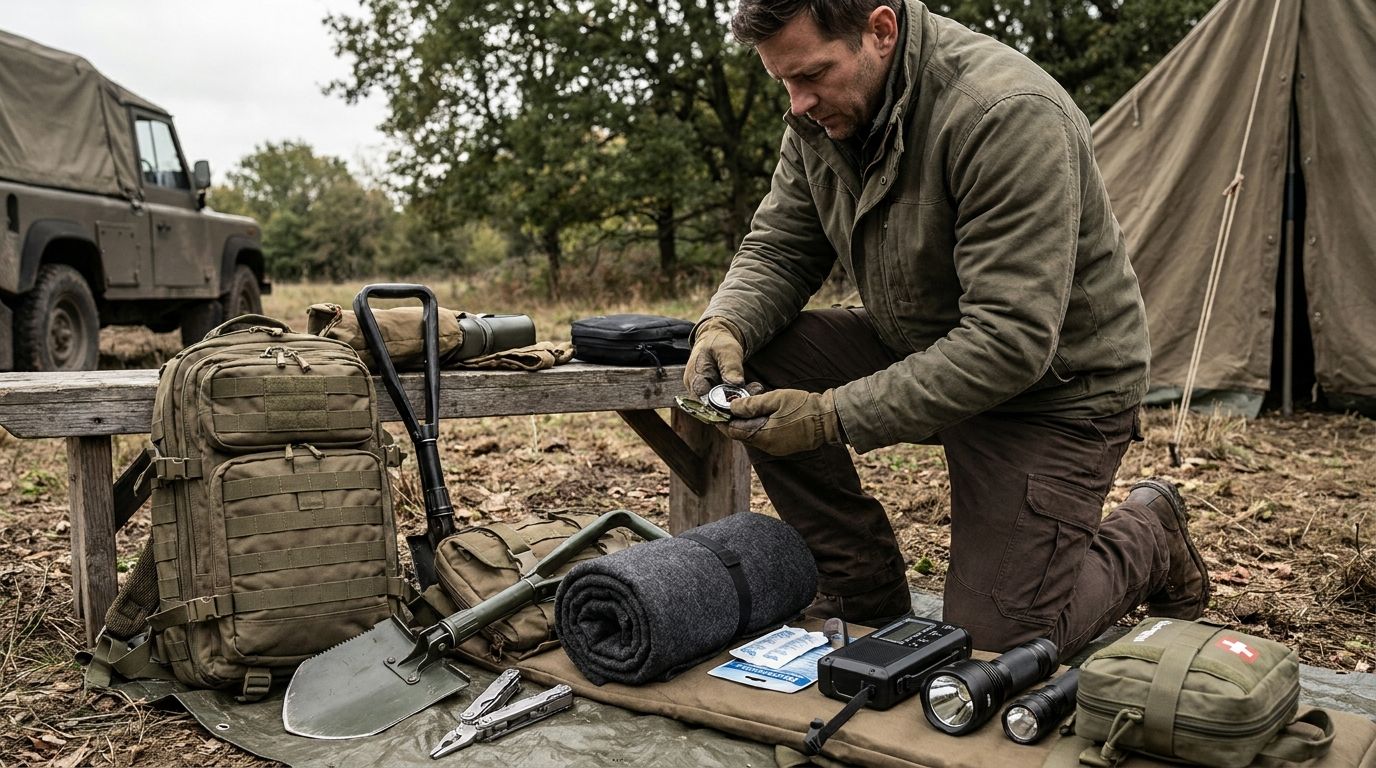
The sun was setting over a rugged stretch of land, casting long shadows across the dry ground. Sam Wills stood at the edge of his property, surveying the perimeter with a mixture of pride and unease. His tactical gear was organized in the shed, each item a deliberate piece of his preparedness puzzle. With his family in mind, he felt the weight of that responsibility, so he grabbed his gear bag and started running through the checklist.
Tactical gear isn't just for military or law enforcement. It's essential for anyone serious about self-reliance. Whether you're a seasoned survivalist or just getting your footing, knowing which gear to keep on hand can make all the difference when things go sideways.
Understanding tactical gear
Tactical gear covers a broad range of equipment built around three priorities: efficiency, durability, and function. It's not about chasing the newest gadget. It's about having the right tools for your specific situation, your terrain, your climate, your threat landscape.
Think hard about your environment before you spend a dollar. Gear that works in the Pacific Northwest backcountry looks different from what you'd reach for in a Gulf Coast flood zone. Tactical gear should solve real problems you might actually face.
Essential tactical gear items
Here are the must-have items that belong in every prepper's kit:
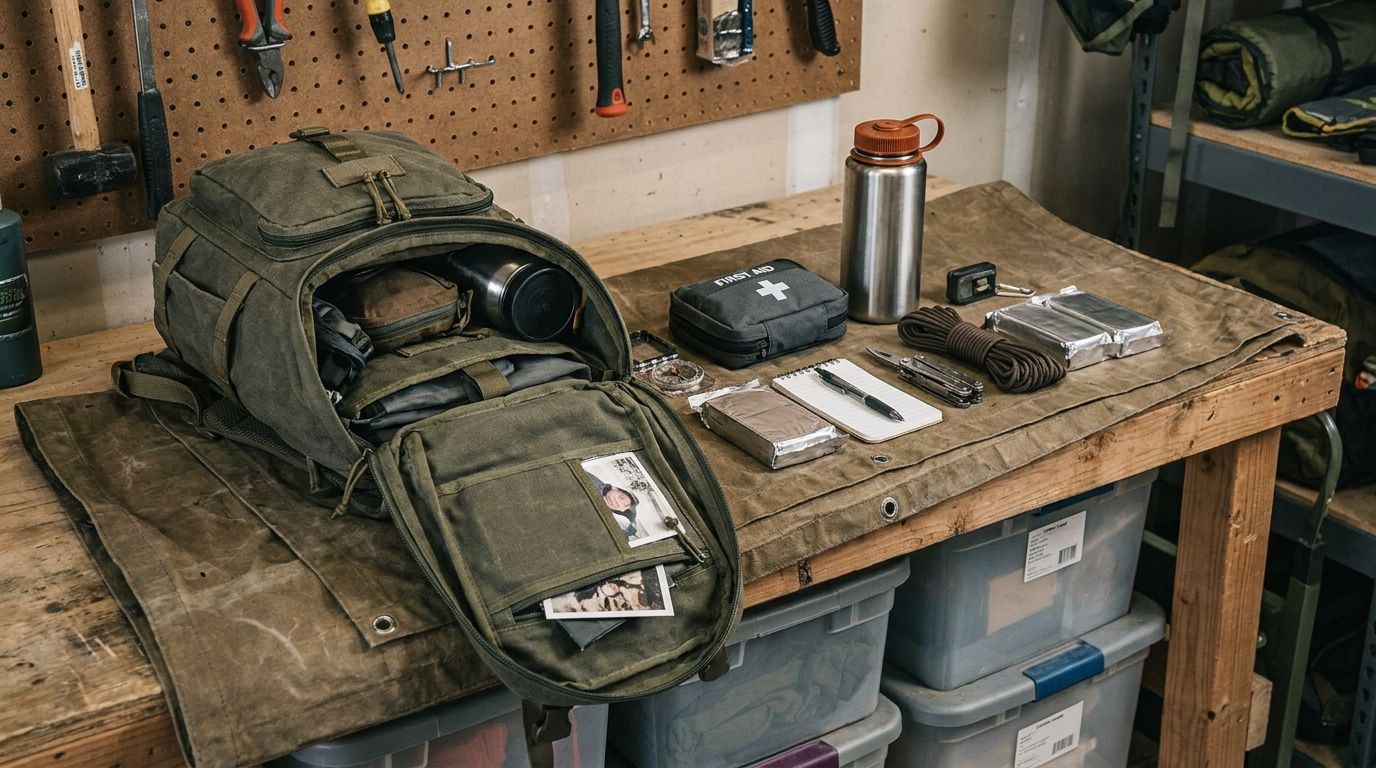
- Backpacks: A sturdy, well-organized backpack is non-negotiable. Look for multiple compartments so you're not digging through a single pile when seconds count. A military-style pack like the 5.11 Tactical Rush 72 is a solid choice for its durability and load capacity, built to take punishment.
- Multi-tools: Compact and indispensable. The Leatherman Wave Plus is a go-to among serious preppers, combining pliers, a knife, screwdrivers, and more into a single device that saves weight without sacrificing versatility.
- First aid kits: Go comprehensive, not minimal. The Adventure Medical Kits Mountain Series covers bandages, antiseptics, and medications. Take a first aid course too, because having supplies is one thing, knowing how to use them under pressure is another.
- Flashlights and headlamps: The Fenix PD36R rechargeable flashlight delivers adjustable brightness and holds up in rough conditions. Pair it with a headlamp like the Black Diamond Spot 350 so your hands stay free when you need them most.
- Fire-starting tools: Waterproof matches, a ferro rod, a quality lighter. Pick at least two. The Exotac fireSLEEVE keeps your matches dry and protected, which matters when everything else is soaked.
- Rugged clothing: Tactical clothing needs to work hard and last. Brands like Propper and Vertx produce weather-resistant gear built for extended wear without falling apart or slowing you down.

Inventory management for tactical gear
Gathering the gear is only the start. Keeping it organized and current is where most preppers slip up. Supplies expire, batteries die, and it's surprisingly easy to lose track of what you actually have.
A few habits will keep your inventory tight:
- Create a checklist: Document every piece of gear, including quantities and expiration dates for anything consumable. A basic spreadsheet works fine, or use a dedicated app like Sortly or MyStuff2 to track it all in one place.
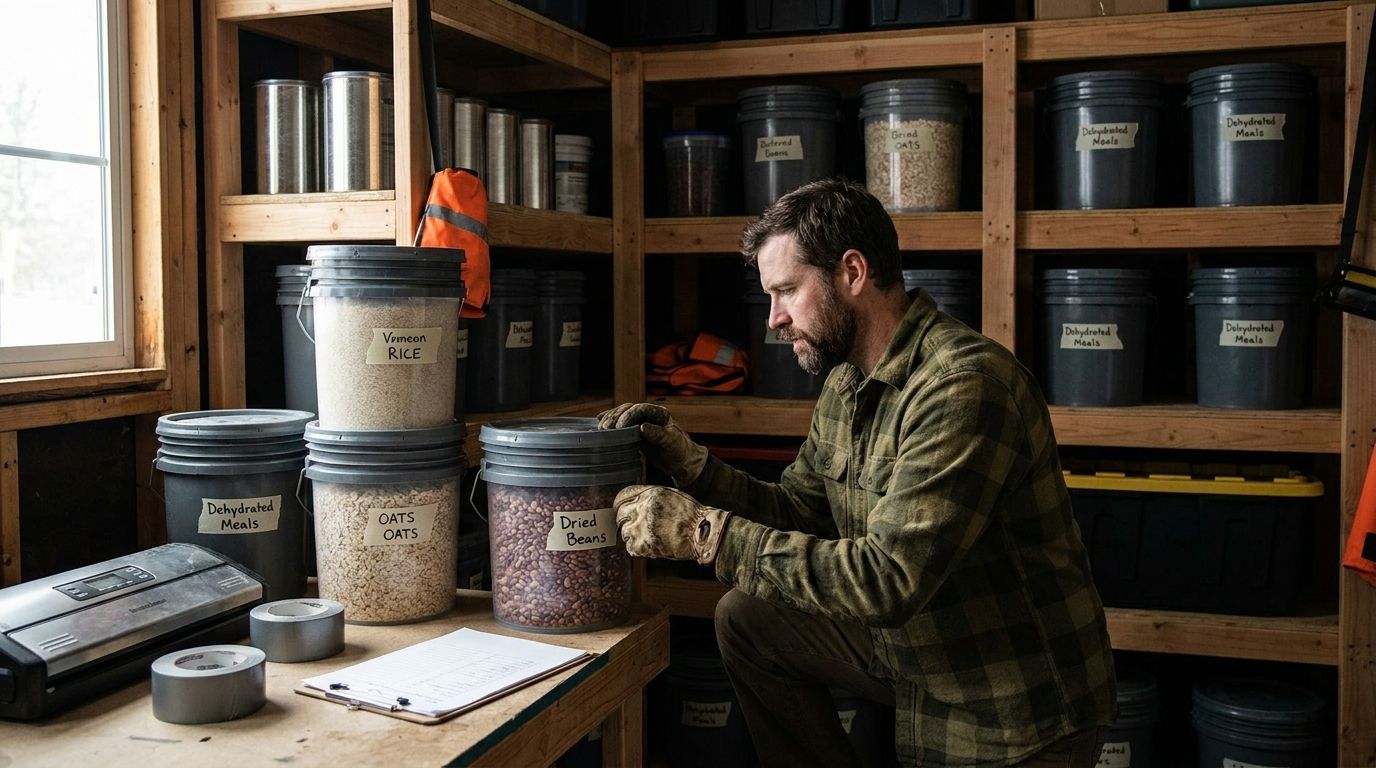
- Use bins or shelves: Label everything and group by category. First aid in one bin, cooking gear in another. When you need something fast, you'll know exactly where to reach.
- Regular audits: Set a calendar reminder every six months and actually do the walk-through. Check dates, test batteries, inspect condition. What needs replacing gets replaced before you need it.
Expanding your tactical gear collection
Building a solid kit is a long game. As you gain experience, you'll find gaps worth filling and items that suit your situation better than what you started with. Some categories worth expanding into:
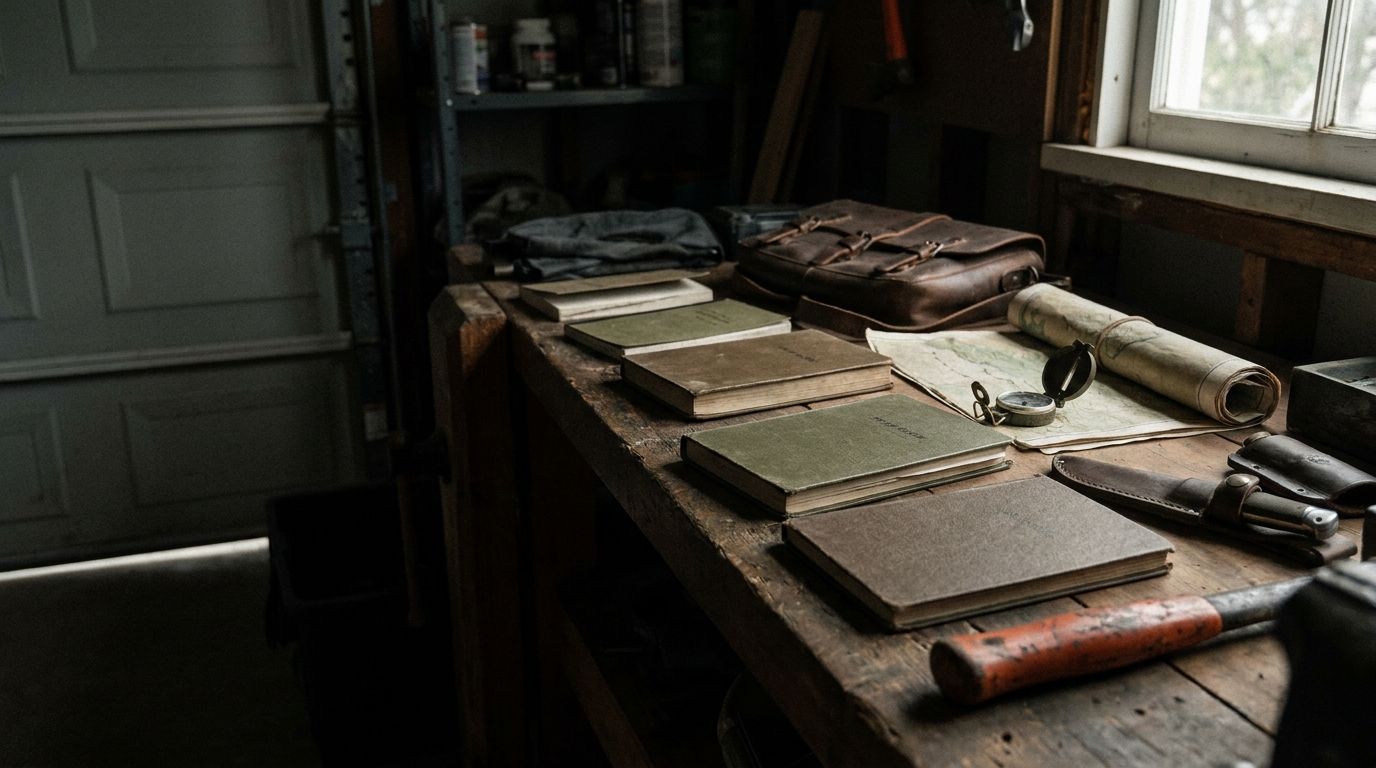
- Navigation tools: GPS devices and paper maps both have a place. The Garmin inReach Mini earns its keep for satellite communication, letting you send messages when cell service is long gone.
- Shelter supplies: Lightweight tarps and quality tents are worth the investment. The MSR Hubba NX tent is well-regarded for its weather resistance and how quickly it goes up.
- Cooking equipment: The Jetboil Flash is hard to beat for compact, fast meal prep in the field. It boils water in minutes and takes up almost no space. (I've personally used one in a downpour and it still performed.)
- Self-defense tools: Know your local laws, then make an informed choice. The SOG SEAL Pup Elite knife is a reliable option, strong and versatile without being overbuilt.
Training and skills development
The gear is only half the equation. Knowing how to use it under stress, in the dark, when you're tired, that's what actually counts.
- Participate in workshops: The National Outdoor Leadership School (NOLS) runs courses covering wilderness survival, first aid, and leadership that give you real hands-on reps, not just theory.
- Practice regularly: Run mock drills at home. Set up your tent in the backyard, cook a meal on your portable stove, practice your first aid scenarios. Familiarity under low stakes builds competence for high-stakes moments.
- Join a community: Other preppers are one of your best resources. Online forums, local meetups, social media groups, find people who take this seriously and share what they know. You'll pick up hard-won insights faster than going it alone.
Conclusion
Tactical gear is more than equipment. It's a commitment to protecting yourself and the people who depend on you. Every item you choose reflects a decision to take self-reliance seriously.
The path can feel overwhelming at first, but it doesn't have to be. Start with the essentials, build your inventory systematically, and keep developing your skills. A community of like-minded men is out there doing the same work. Prioritize quality over volume, stay organized, and keep training. That's how you build a foundation that actually holds.
FAQ
What should I consider when buying tactical gear?
Prioritize durability, function, and fit for your specific environment. Think about the conditions you're likely to face and choose gear built for those scenarios. Read reviews from other preppers and don't be shy about asking for recommendations in the community before you commit.
How often should I check my survival equipment?
At minimum, every six months. That cadence keeps expiration dates in check for food, medications, and batteries, and gives you a chance to catch any gear that's degraded before you actually need it. A calendar reminder takes about ten seconds to set and saves real headaches later.
Can I make my own tactical gear?
Absolutely. Plenty of preppers customize their backpacks or assemble their own first aid kits from scratch. Just make sure whatever you build holds up to safety and functionality standards. There's no shortage of tutorials and guides online to walk you through it.
What is the best way to store my tactical gear?
Cool, dry, and organized. Use labeled bins or shelves so everything is easy to locate under pressure. Check your storage area periodically for moisture issues, and tuck moisture-absorbing packets in with clothing and electronics to protect them from humidity.
How do I prioritize what gear to buy first?
Start with your most likely risks and your most immediate gaps. A solid first aid kit, reliable tools, and food and water storage cover the fundamentals for most situations. Once that foundation is solid, expand based on your budget and the specific scenarios you're planning for.
What are some common mistakes preppers make with their tactical gear?
The big ones: buying gear without learning how to use it, letting maintenance slide, and stocking up without thinking through the specific situations they're preparing for. Quality beats quantity every time, and training turns equipment into capability.
Is it necessary to have tactical gear for urban prepping?
Urban prepping has its own set of challenges, but the core gear still applies. Multi-tools, portable water filters, and a solid backpack are just as useful in a city as in the backcountry. Tailor your kit to urban-specific scenarios, navigating dense areas, securing water and food sources, staying mobile, and you'll be well covered.
Want this handled automatically? See the Mainstay membership.
Subscribe to comment
Join the Mainstay newsletter to leave a comment — and get new field notes in your inbox.
Get new field notes in your inbox
Practical, calm preparedness — one useful note at a time.