Top 10 must-have tools for every prepper’s kit
Ensure you’re ready for anything with these essential tools every prepper should have in their kit.
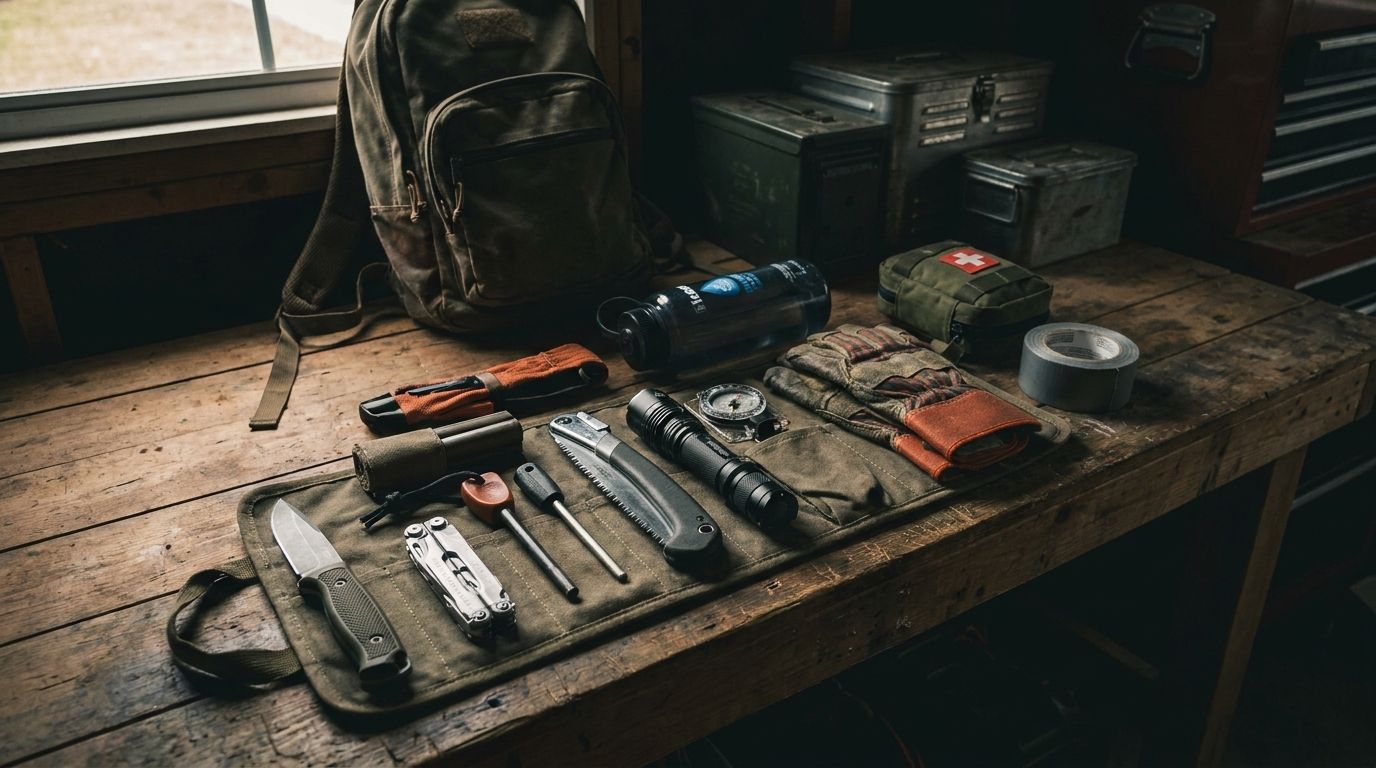
You're in your garage, staring at a jumble of supplies. Canned food towers precariously on top of old camping gear, half-empty water bottles collecting dust next to flashlights you haven't tested in two years. If this scene feels familiar, you're not alone. Most preppers hit a point where the accumulation outpaces the organization - and that's exactly when having the right tools stops being a nicety and starts being the whole point.
Here are ten tools that will sharpen your kit and keep you genuinely ready.
1. Multi-tool
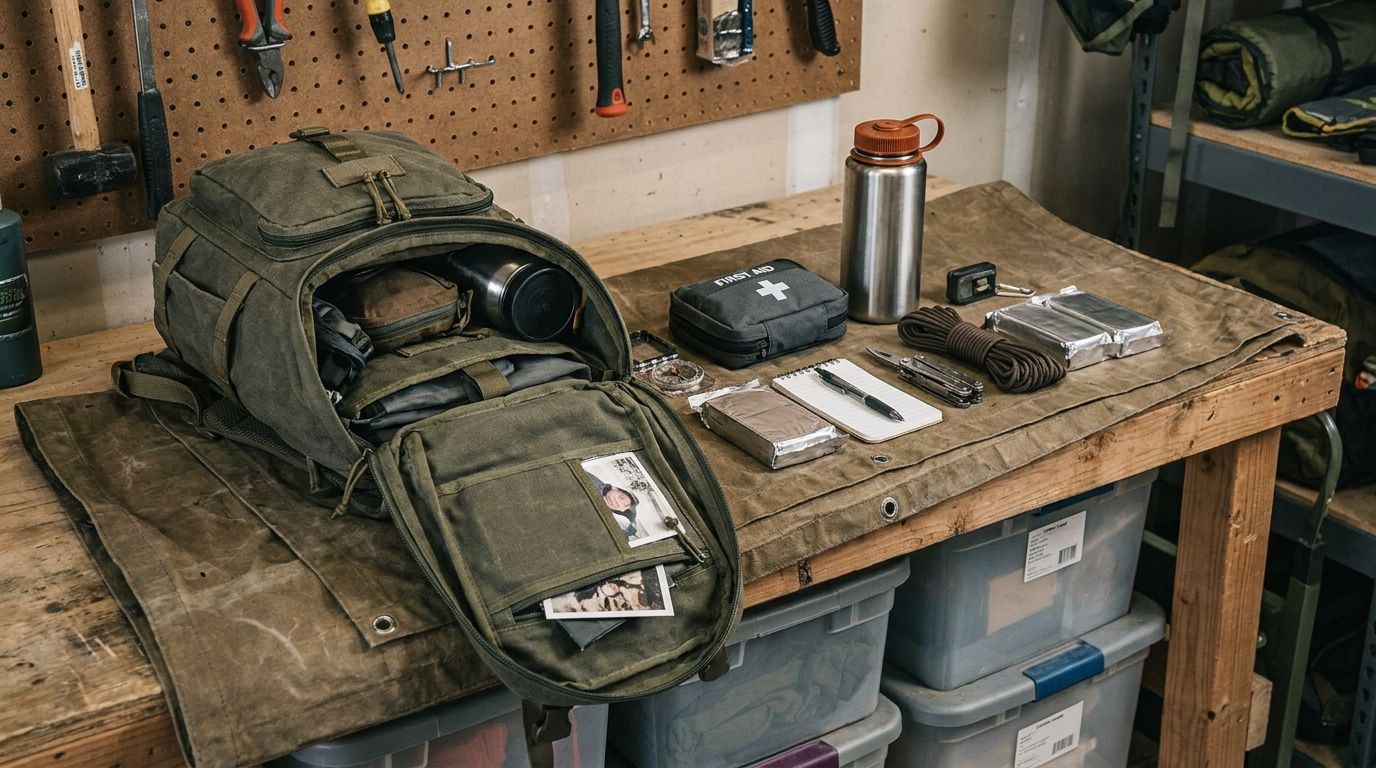
Every prepper's kit should start with a reliable multi-tool. A good multi-tool combines various functions into one compact device, making it invaluable in survival situations. The Leatherman Wave Plus, for instance, packs pliers, screwdrivers, knives, and scissors into something that fits in your palm - useful for everything from field-rigging a shelter to breaking down a meal prep setup at camp.
Picture your tent zipper snapping on night one of a three-day trip. No sewing kit needed. A multi-tool handles the repair in under five minutes, and you stay dry. It's not just a wilderness item either - everyday fixes like a kid's broken toy on a family hike or a stripped screw on the car rack happen constantly. One tool, dozens of problems solved.

2. First-aid kit
A well-stocked first-aid kit isn't optional. Cuts, sprains, and worse can happen anywhere, often far from the nearest urgent care. At minimum, yours should include bandages, antiseptic wipes, pain relievers, gauze, scissors, and a CPR mask - plus any personal medications your household depends on.
Take Lisa, who scraped her knee badly on a trail in the Smoky Mountains. She had antiseptic wipes and band-aids on her, cleaned the wound on the spot, and finished her hike without issue. A study published by the National Institutes of Health confirmed what most experienced preppers already know: having first-aid supplies immediately available significantly reduces the risk of infection and downstream complications. Don't skip this one.
3. Water filtration system
Access to clean drinking water is critical for survival. A portable filtration system like the LifeStraw lets you draw safely from rivers, lakes, or any water source you're not sure about - which matters enormously if you live anywhere near flood zones or wildfire country.
During Hurricane Katrina, thousands lost access to municipal water overnight. Those with portable filtration systems could hydrate safely while others couldn't. A LifeStraw filters up to 1,000 gallons, stripping out bacteria and parasites in the process. Small enough to drop in a jacket pocket, there's no excuse for leaving it out of your kit.
4. Firestarter
No survival kit is complete without a reliable firestarter. Fire means warmth, cooked food, and a signal that can be seen for miles. Matches work until they get wet; a magnesium firestarter or something like the Exotac FireSLEEVE - waterproof, pocket-sized, bombproof - works when matches don't.
A cold snap rolls in unexpectedly on a camping trip (it happens more than people admit), and suddenly a fire isn't a luxury, it's the plan for the night. Having a dependable firestarter means you're not negotiating with damp kindling in the dark. Get one and keep it on your person, not buried at the bottom of a pack.
5. Emergency food supplies
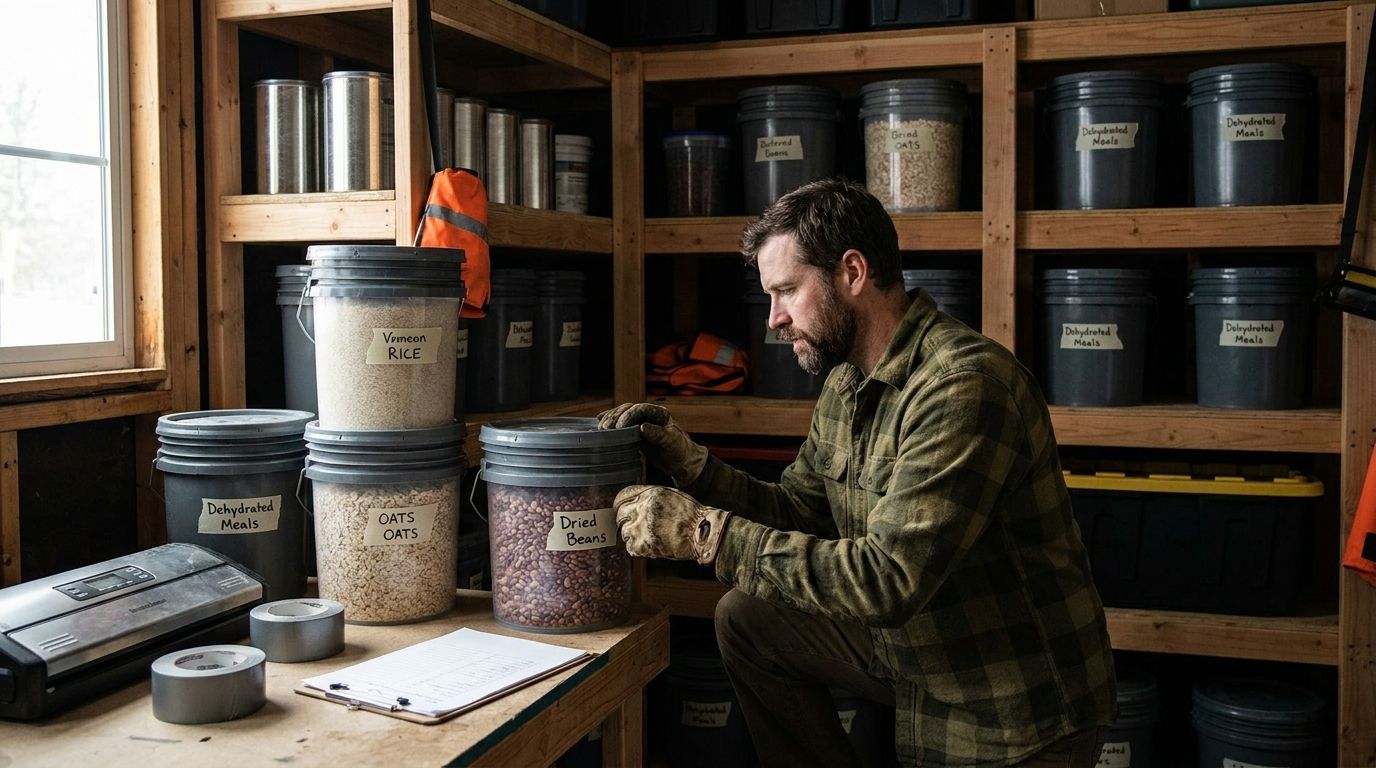
Stocking up on non-perishable food is one of the smartest moves a prepper makes. Freeze-dried meals, energy bars, and canned goods take up relatively little space and last far longer than most people realize. Mountain House freeze-dried meals, for example, carry a 25-year shelf life and need only water to prepare.
The COVID-19 pandemic made this concrete for a lot of people. Grocery shelves emptied fast. Those with even a modest emergency food cache at home rode out the worst of the supply disruptions without panic. Whether it's a snowstorm, job disruption, or infrastructure failure, a solid food stockpile means you're eating well regardless of what's happening outside your front door.
6. Flashlight and batteries
Power outages happen. They happen during storms, after earthquakes, and sometimes for no dramatic reason at all. A compact, high-output flashlight like the Fenix PD35 - rechargeable, durable, genuinely bright - is the difference between navigating your house calmly and stumbling through it in the dark.
A good flashlight does more than light a path. It can signal across distance, and in a pinch, it's a solid self-defense tool. Keep fresh batteries stocked or make sure your model charges via USB. It's one of those things you won't think about until you desperately need it.
7. Rope or paracord
Rope is another essential tool in your prepper kit. Tying down a tarp, rigging an improvised shelter, securing gear to a vehicle - paracord handles all of it. Standard 550 paracord holds up to 550 pounds and can be unraveled into individual strands for finer tasks like fishing line, sutures in extreme circumstances, or replacement shoelaces.
Tom and his camping crew got caught in a sudden downpour with no shelter set up. A length of paracord and a couple of tarps, and they had a dry overhang in under ten minutes. That's the kind of versatility that earns a permanent spot in any serious kit.
8. Compass and maps
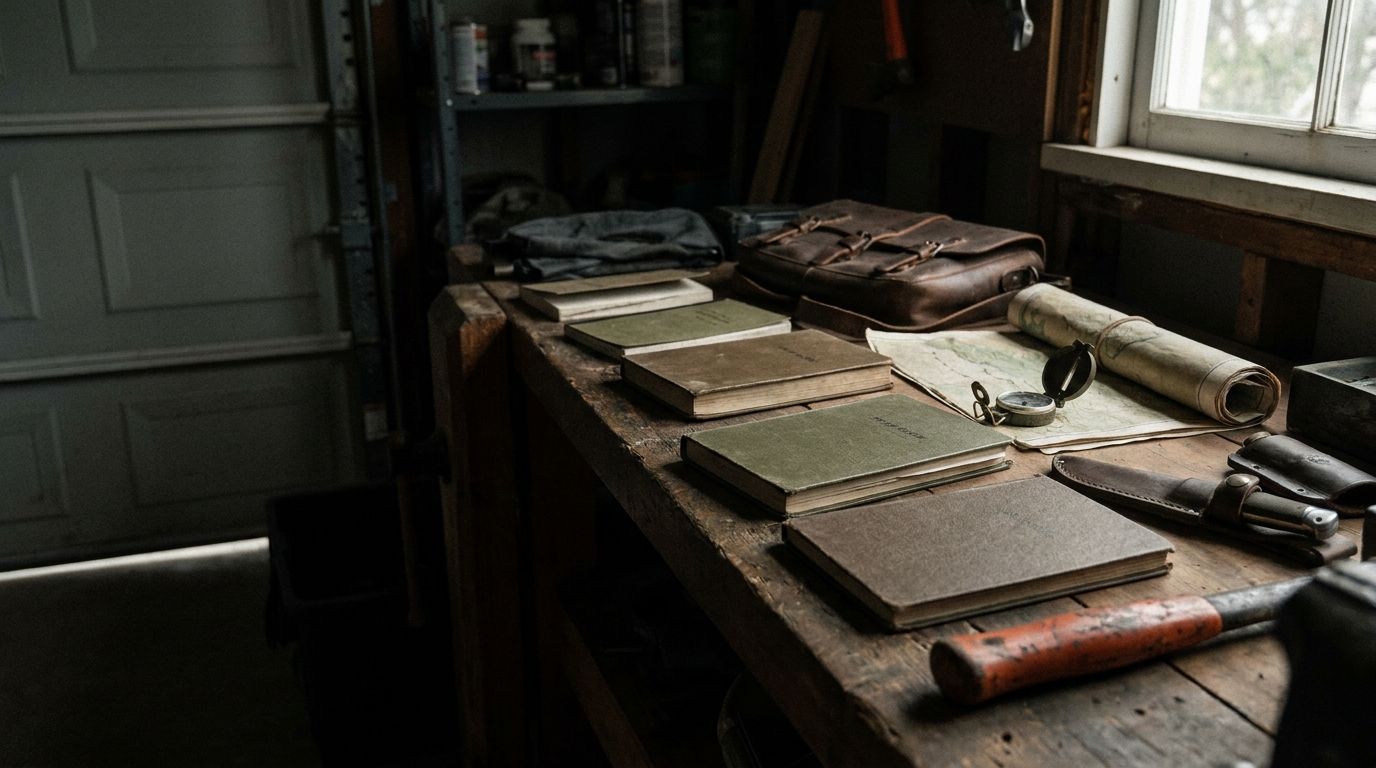
GPS fails. Phones die. Cell towers go down in exactly the situations when you most need directions. A Silva compass paired with detailed paper maps of your region is old-school, yes - and completely reliable in a way that no app can match.
If you've ever lost cell service mid-hike (and most of us have), you understand the particular unease of not knowing which direction leads back to the trailhead. Map and compass skills take an afternoon to learn and last a lifetime. Practice before you need them, not during.
9. Weather radio
Staying ahead of dangerous weather is non-negotiable. A NOAA weather radio delivers real-time alerts for storms, floods, and other fast-moving threats - and most quality models include hand-crank or solar charging, so a dead battery isn't a reason to go dark.
During a tornado watch in Oklahoma, a weather radio gave families enough lead time to get to shelter. Those without one simply didn't know. That's the gap this tool closes. It's inexpensive, it runs independent of the grid, and it keeps you informed when the usual channels go quiet.
10. Survival manual
Round out your kit with a solid survival manual. A good one covers foraging, shelter construction, first-aid techniques, navigation, and a dozen other skills you might not have used before but will be glad to reference under pressure. "The Ultimate Survival Manual" by Rich Johnson is a practical, no-nonsense option that earns its page count.
Knowledge is the one prep that doesn't expire. A physical book works when your phone doesn't, and having detailed guidance on hand means you're not improvising blind in a situation that calls for precision.
FAQ
What tools should I prioritize for my prepper kit?
Start with a multi-tool, first-aid kit, and water filtration system. These are essential for various situations, from minor injuries to accessing clean water.
Is it necessary to have food supplies in my prepper kit?
Yes, having non-perishable food supplies is crucial. You may face situations where food is scarce, and having options ready can help you stay nourished.
How can I organize my prepper kit effectively?
Use clear bins or labeled containers to categorize your supplies. This will make it easier to find what you need when you need it, reducing stress and confusion.
Are there any specific brands you recommend for these tools?
Leatherman for multi-tools, LifeStraw for water filtration, Mountain House for emergency food supplies, and Fenix for flashlights are all reliable options.
How often should I check and replenish my prepper kit?
Regularly assess your kit every six months. Check expiration dates and replace any used or outdated items to ensure you're always ready.
Can I use household items in my prepper kit?
Absolutely! Items like duct tape, old sheets, and plastic containers can serve multiple purposes. Be creative and think about how you can repurpose what you already have at home.
What if I have a limited budget for prepping?
Start small. Focus on the essentials first, such as a multi-tool and first-aid kit. As your budget allows, gradually expand your kit with additional tools and supplies.
The right tools don't just sit in a bin - they change how confidently you move through uncertainty. Take an honest look at your current kit against this list, fill the gaps, and know that the work you do now is the margin you'll be grateful for later.
Want this handled automatically? See the Mainstay membership.
Subscribe to comment
Join the Mainstay newsletter to leave a comment — and get new field notes in your inbox.
Get new field notes in your inbox
Practical, calm preparedness — one useful note at a time.