Understanding different types of disasters: tailoring your prep plans
Disasters come in many forms. Learn how to tailor your preparedness plans to fit specific emergencies and feel more ready for whatever comes your way.
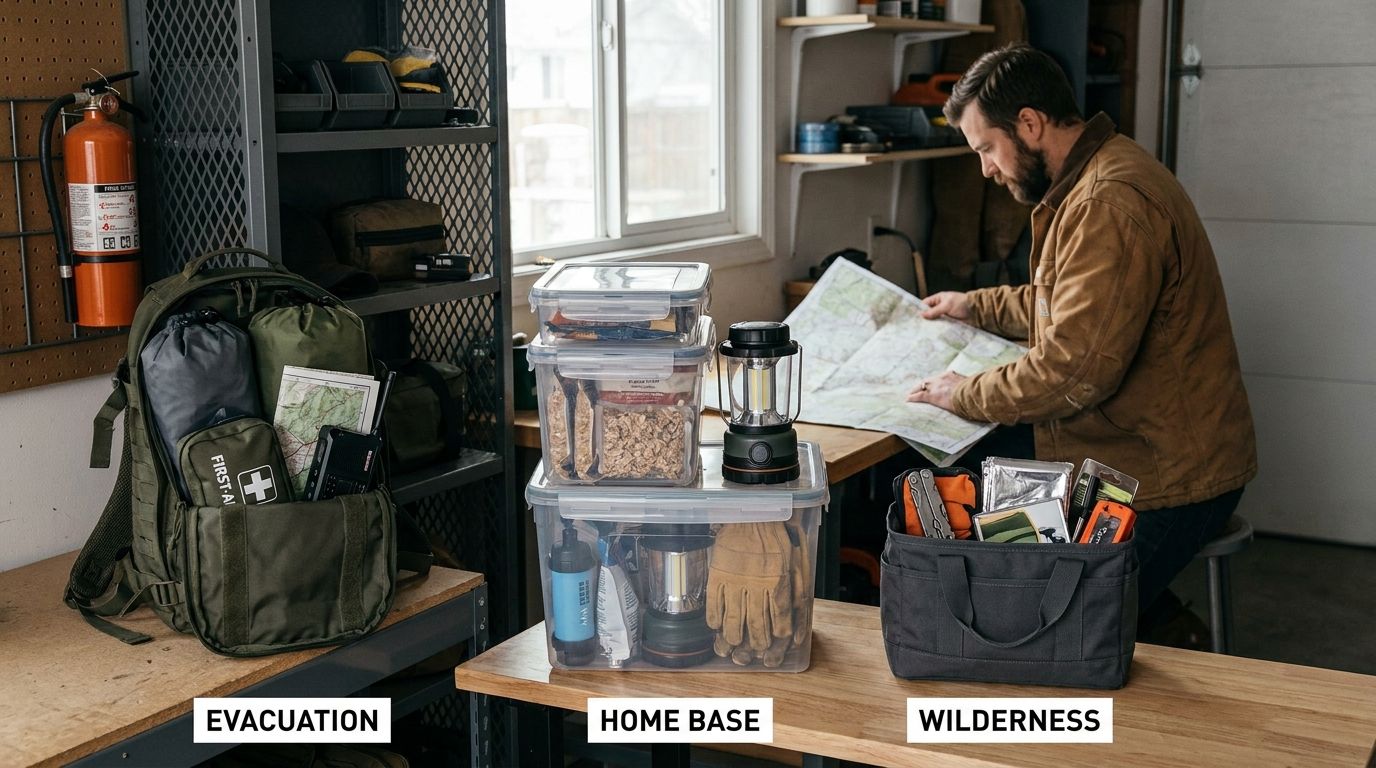
The wind was picking up outside when Sam Wills pressed his face toward the rain-soaked window. The weather report had been blunt: this storm was moving fast, and it was shaping up to be one of the worst in years. He felt that familiar tightness in his chest. He'd always kept his gear squared away, but this felt different from the usual drill.
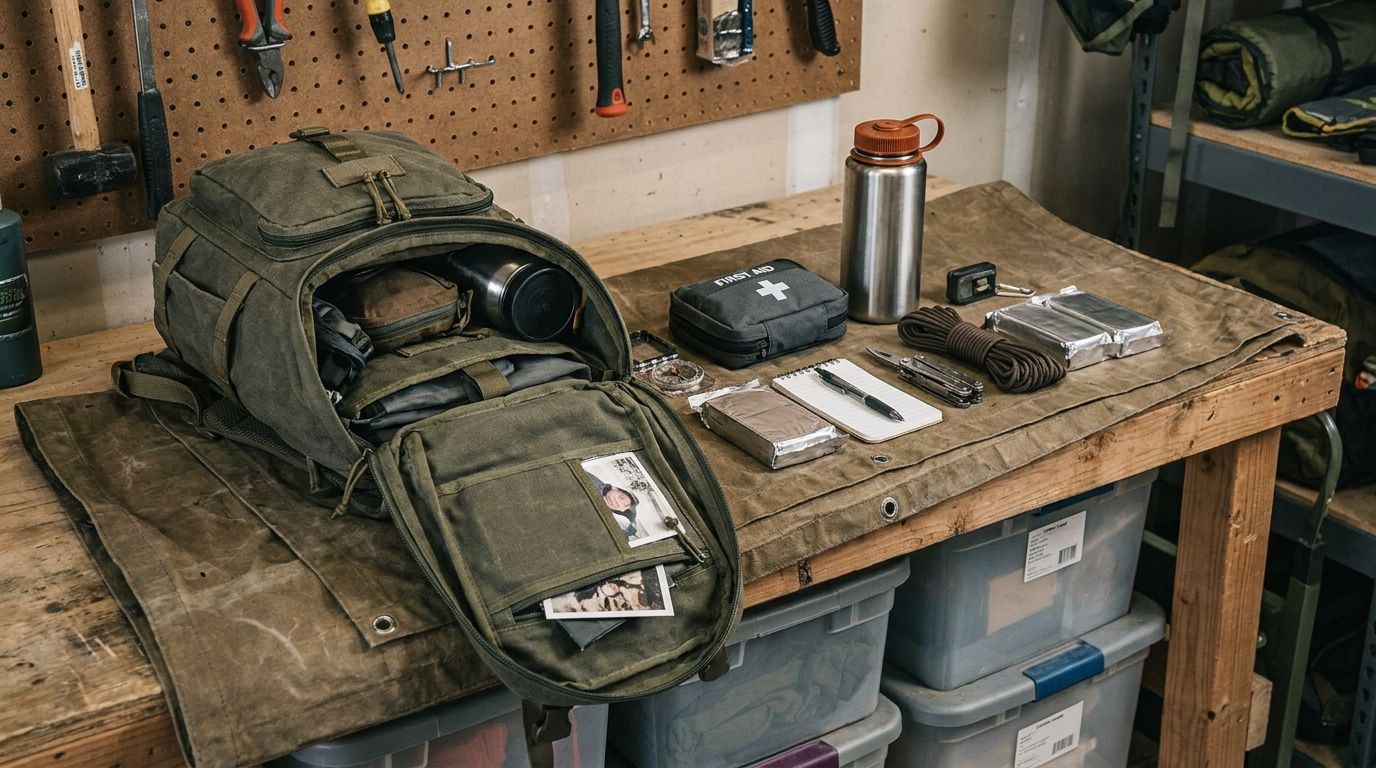
He turned to his supplies and hit a hard question: his go-bag was packed for a fast exit, but what if leaving wasn't an option? Did he have enough to ride this one out at home?
That's the real challenge. Not just having supplies, but knowing which disaster you're actually prepping for.
Different disaster types: a closer look
Natural calamities are usually the first things that come to mind: hurricanes, earthquakes, floods, wildfires. But disasters don't stop there. Human actions, infrastructure failures, and biological events all belong on the list too. Here's a breakdown of the main categories:
1. Natural Disasters: Earthquakes, hurricanes, floods, and wildfires fall under this category. They can happen with little to no warning and often require immediate evacuation or sheltering in place.
2. Man-made Disasters: These include industrial accidents, chemical spills, and even terrorist attacks. These incidents often involve hazardous materials and can disrupt entire communities.
3. Pandemics: The COVID-19 crisis taught us that health emergencies can impact daily life in profound ways. Having a plan for health-related disasters can help you navigate challenges more effectively.
4. Technological Disasters: Events like power outages or cybersecurity breaches can significantly disrupt life. These may not seem as urgent as natural disasters but can still affect your daily routine.
Where you live shapes everything. A guy on the Gulf Coast needs to think hard about hurricanes. Someone living in the shadow of a chemical plant faces a completely different risk profile. Know your environment, and you'll know where to focus.
Assess your vulnerabilities
Every prepper has unique vulnerabilities based on their location, lifestyle, and family situation. Take a moment to assess what could go wrong in your life. Here are some practical steps:
- Evaluate your location: Are you in a flood zone? Near a fault line? Understanding your geographical risks can help you prioritize your preparations.
- Consider your lifestyle: If you depend on public transportation, think about how a disaster could affect your commute. Plan for scenarios where you may need to shelter in place or evacuate quickly.
- Know your family's needs: Each member may have different requirements, from medical needs to age considerations. Tailor your plans to address everyone's needs.
A solid starting point is a simple risk assessment chart. Write down the disasters most likely to hit your area, then rank each one by probability and potential impact. That ranking becomes your prep priority list. Nothing fancy required, just honest thinking on paper.
Tailoring your preparedness plans
Once you've assessed your vulnerabilities, it's time to develop tailored preparedness plans. Here are some ideas to consider:
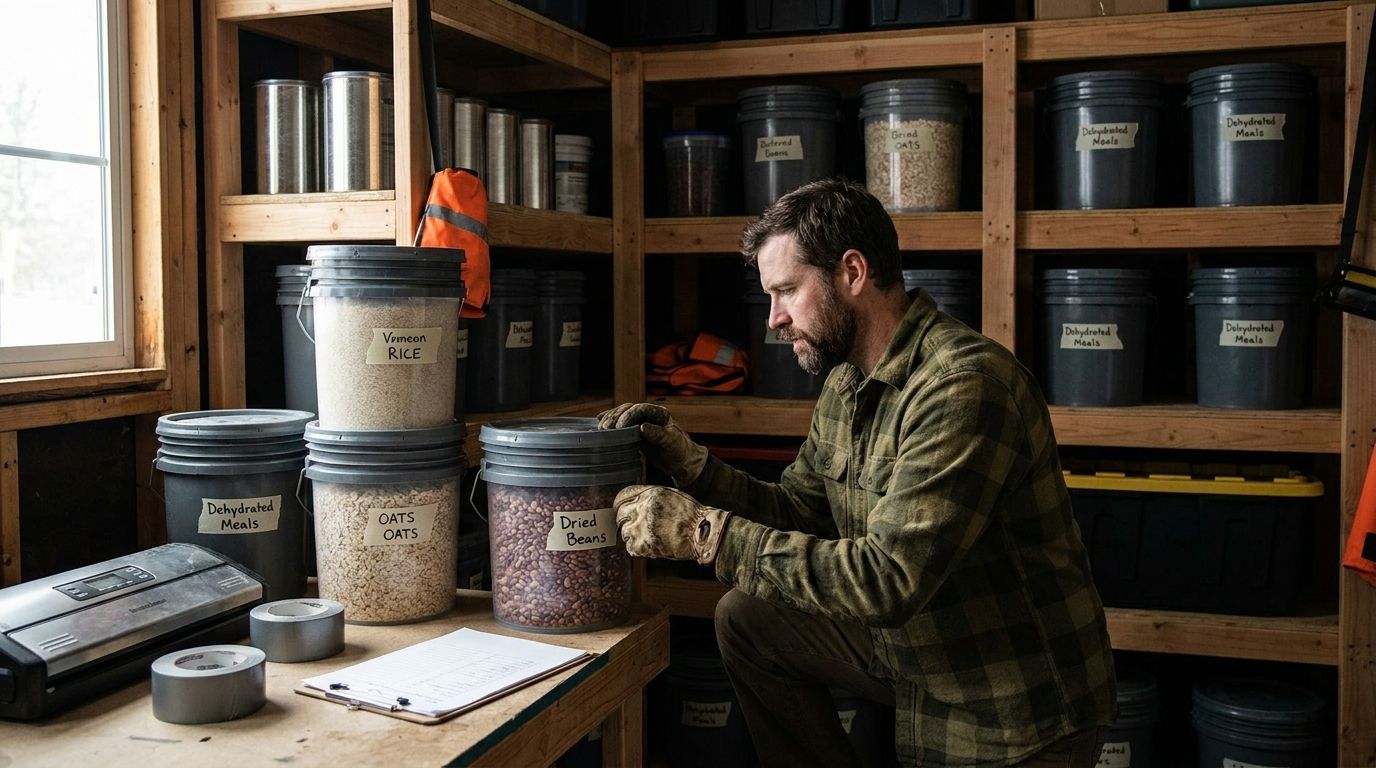
- Create specific kits: A one-size-fits-all emergency kit may not meet all your needs. For example, you might need a bug-out bag for evacuation scenarios and a shelter-in-place kit for storms or pandemics. Consider your unique situations and develop kits accordingly.
- Develop communication plans: In any disaster, communication is key. Develop a plan that outlines how your family will stay in touch. This is especially important for larger families or those with members who may be away from home during an emergency.
- Practice drills: It's one thing to have a plan, but it's another to execute it. Hold regular drills for different scenarios, whether it's evacuating for a storm or sheltering in place for a pandemic. These drills can help everyone feel more confident and prepared when disaster strikes.
- Stay informed: Keep up with local news and weather updates. Knowing what to expect can help you adjust your plans as necessary. Subscribe to alerts and engage with local emergency management resources.

Emotional readiness: addressing the psychological aspect of prepping
Physical gear gets most of the attention. But disasters grind on your mental state too, and a man who hasn't thought about that side of things is working with a gap in his plan. Here are some strategies:
- Develop a support network: Connect with friends, family, or community members who share your preparedness goals. Supporting one another can alleviate some anxiety and foster a sense of community.
- Practice mindfulness: Techniques such as deep breathing or meditation can help you manage anxiety. Incorporate these practices into your daily routine, so you're prepared to handle stress during emergencies.
- Educate yourself on mental health: Understand the signs of stress and anxiety in yourself and others. This knowledge can help you support yourself and those around you during challenging times.
- Give yourself grace: Prepping is a journey, and it's okay not to have everything figured out. Acknowledging your feelings and allowing yourself to experience them is part of being emotionally ready.
You're not doing this alone. Plenty of men share these concerns, and talking through them openly only makes the whole community sharper.
FAQ
What are the most common types of disasters?
The most common types of disasters include natural disasters like hurricanes, floods, and earthquakes, as well as man-made disasters such as industrial accidents and civil unrest. Additionally, health emergencies like pandemics and technological disasters like power outages also pose risks.
How can I assess the risks in my area?
You can assess risks by researching local hazard reports, speaking with local emergency management officials, and observing your environment. Consider factors like your geographical location, local weather patterns, and the presence of industrial facilities.
What should I include in my preparedness kits?
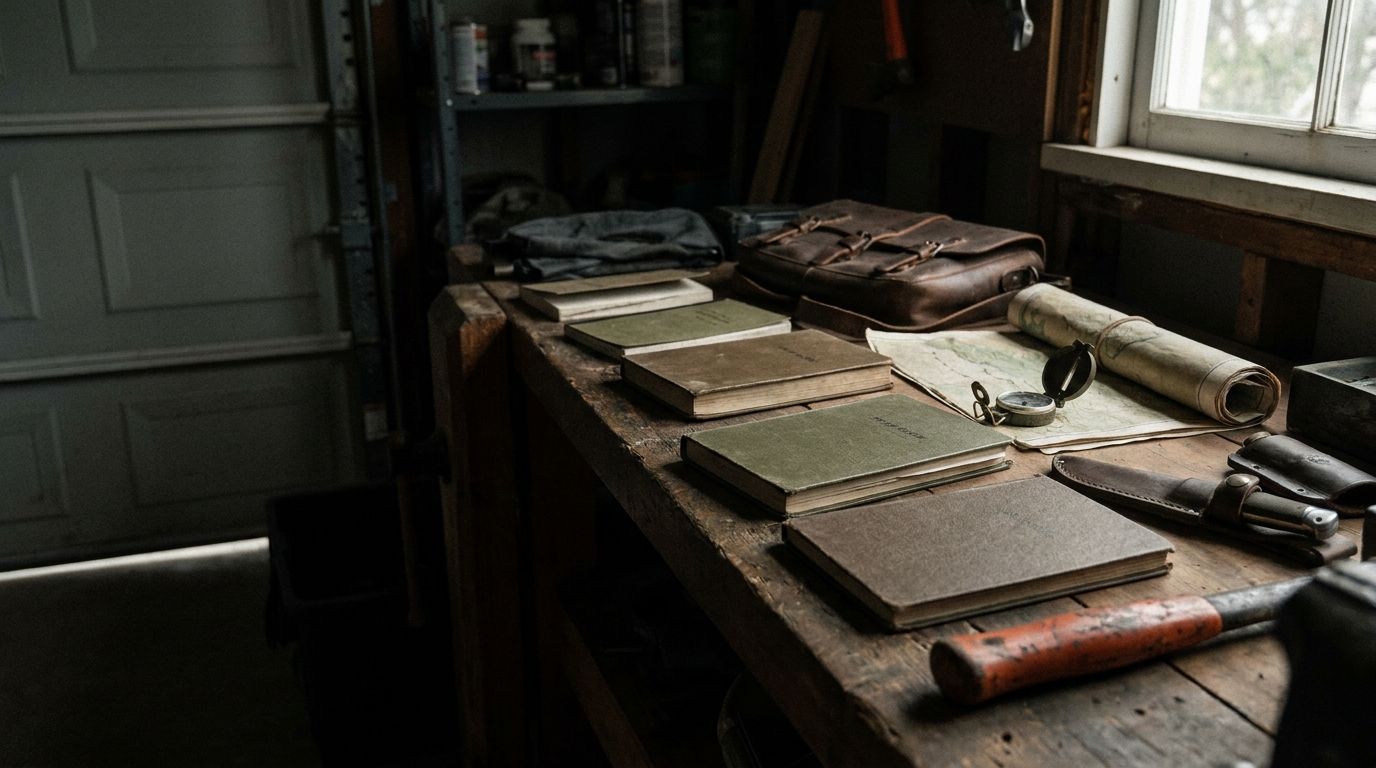
Your preparedness kits should include food, water, first-aid supplies, essential medications, flashlights, batteries, and important documents. Tailor your kits to your specific needs, considering factors like family size and any unique requirements.
How often should I practice my emergency plans?
It's advisable to practice your emergency plans at least twice a year. Regular drills help reinforce the steps you need to take during an emergency and ensure everyone knows their roles.
Building real self-reliance takes time. Tailoring your plans isn't a one-time task either. It's an ongoing process you revisit as your life shifts. Keep learning, keep adjusting, and keep your inventory tight so you always know what you have and what needs restocking. Every step you take adds real weight to your readiness.
Stay connected. Stay organized. You've got this.
Want this handled automatically? See the Mainstay membership.
Subscribe to comment
Join the Mainstay newsletter to leave a comment — and get new field notes in your inbox.
Get new field notes in your inbox
Practical, calm preparedness — one useful note at a time.