Emergency food nutrition: how to build meals that keep your household going
Build an emergency food supply that does more than fill shelves. Learn how to create balanced, satisfying meals your household can actually use.
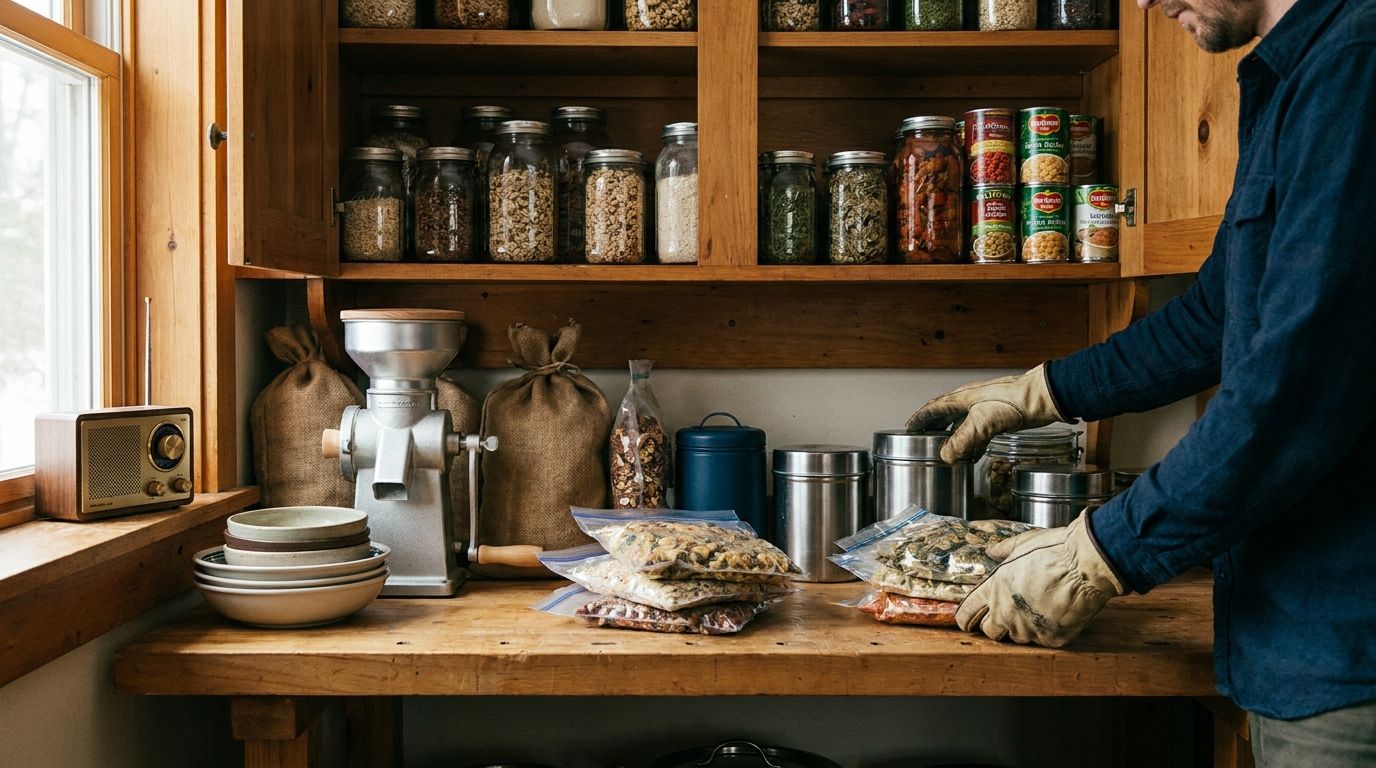
June Wills stood at the kitchen counter with a can of beans in one hand and a packet of powdered drink mix in the other. The power had been out since midnight, Rosa was asking what counted as breakfast, and the family food shelf suddenly looked a lot less impressive than it had the day before. Emergency food nutrition comes down to a practical goal: build meals with enough energy, protein, fiber, fluids, and familiar flavors to keep your household functional when normal cooking isn't an option.
A balanced emergency food supply doesn't require expensive freeze-dried buckets or a pantry stocked with foods nobody touches. It needs dependable staples, a few ready-to-eat options, and a plan for combining them into healthy emergency meals. And you can build that plan gradually, using foods your household already eats.
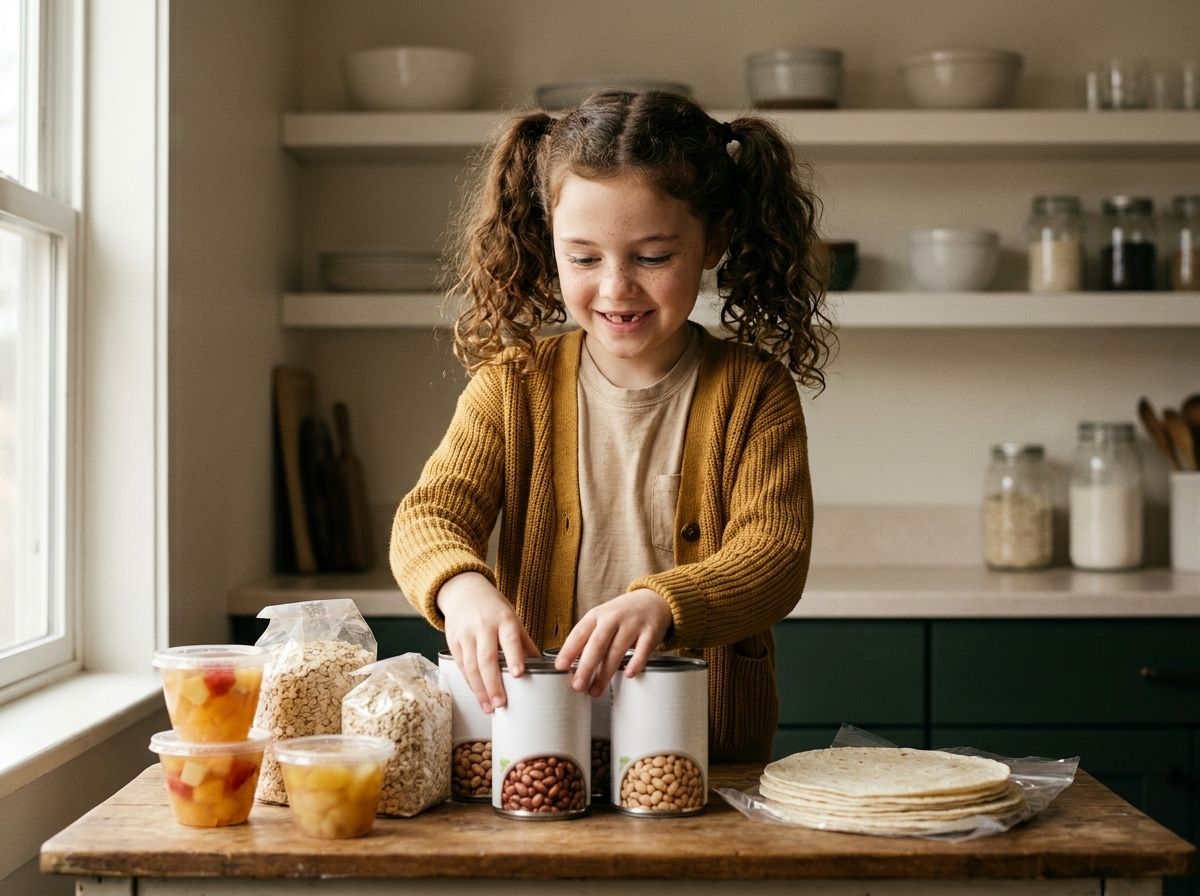
That distinction matters more than people expect. A shelf full of calories may keep hunger away, but it won't necessarily support steady energy, comfortable digestion, or morale over several days. Food is practical support, but it's also one of the ordinary things that helps a household feel like itself when the day has gone sideways.
Start with what a meal needs to do
A useful emergency meal has more than one job. It needs to provide fuel, use a reasonable amount of water, fit your actual cooking limits, and taste familiar enough that people will finish it without complaint.
The easiest way to audit a meal is to look for four parts:
- Energy: oats, rice, pasta, crackers, tortillas, potatoes, or cereal provide carbohydrates your body can use for fuel.
- Protein: canned beans, lentils, canned fish, chicken, shelf-stable tofu, peanut butter, powdered milk, or protein bars help make the meal more filling.
- Produce or fiber: canned vegetables, fruit cups, applesauce, dried fruit, freeze-dried produce, or vegetable soup add fiber and useful nutrients.
- Fat and flavor: olive oil, nuts, seeds, nut butter, cheese powder, seasoning, or sauce can add calories, satisfaction, and variety.
This isn't a demand for perfect nutrition at every sitting. A bowl of oats with powdered milk and peanut butter can carry a lot of weight. So can rice with beans, canned tomatoes, and a little oil. The point is to notice what's missing before you buy more of the same.
The U.S. Department of Agriculture's MyPlate guidance groups food around fruits, vegetables, grains, protein foods, and dairy or fortified alternatives. You don't need to recreate a fresh grocery trip on a shelf. Use that framework as a simple audit for long term food storage nutrition.
Why does protein matter in emergency meals?
Protein helps a meal feel substantial and supports the body's normal maintenance and repair. Include a protein source at each main meal when you can, especially when the household is doing physical work, dealing with cold, or eating fewer total meals than usual.
Shelf-stable protein is easy to overlook because most emergency food plans fixate on grains. Walk through your pantry and count actual servings, not just containers. A large bag of rice may feed a household for days, but it needs beans, fish, meat, eggs, or another protein source beside it.
Good options include:
- Canned chickpeas, black beans, kidney beans, and lentils
- Canned tuna, salmon, chicken, or shelf-stable meat
- Peanut butter, almond butter, nuts, and seeds
- Powdered milk, boxed milk, or fortified soy milk
- Ready-to-eat protein bars with a shelf life you can track
If someone in your household has a food allergy, digestive condition, or medical nutrition requirement, their normal safe foods are the starting point. Full stop. A meal plan only works when the people eating it can trust what's in it.
Build a balanced emergency food supply by category
Shopping by category keeps the pantry from becoming a monument to one food. You don't need to buy everything at once. Add one or two useful items during ordinary grocery trips, then rotate them into daily meals.
Begin with foods your household already understands. If nobody eats plain lentils on a normal Tuesday, a large case of them won't become popular because the lights are out. Try lentil soup, seasoned lentils over rice, or a packaged meal that includes them before committing to a larger quantity.
Use this category check when you review your shelves:
- Base foods: rice, oats, pasta, couscous, instant potatoes, tortillas, crackers, and cereal
- Protein foods: beans, canned meat, fish, nut butter, powdered milk, and shelf-stable tofu
- Fruits and vegetables: canned produce, dried fruit, applesauce, vegetable soup, and tomato products
- Calorie boosters: oil, nuts, seeds, coconut milk, gravy, and shelf-stable cheese
- Flavor and comfort: salt, spices, bouillon, hot sauce, soy sauce, jam, cocoa, and coffee or tea
- Hydration support: drinking water, electrolyte packets, and beverages your household will actually use
The flavor category earns its shelf space. When meals get repetitive, a few seasonings can change the direction of a dish without adding much storage volume. Chili powder can move beans toward tacos. Curry powder can completely reframe lentils. Cinnamon and raisins can make oats feel less like a compromise.
Don't forget texture. A week of soft foods wears on people even when the calories are adequate, and that's easy to underestimate. Crackers, toasted tortillas, nuts, cereal, and granola add a useful crunch when cooking options are narrow.
How much variety does a household need?
Aim for several meal combinations rather than several dozen separate recipes. A household that can turn rice, beans, tomatoes, and seasoning into one meal can also use those same foods in soup, a tortilla filling, or a bowl with canned vegetables.
Keep a short meal map with combinations such as:
- Oats, powdered milk, peanut butter, and dried fruit
- Rice, beans, canned vegetables, and hot sauce
- Pasta, canned tomatoes, tuna, and olive oil
- Crackers, canned chicken, shelf-stable cheese, and fruit cups
- Instant potatoes, gravy, canned meat, and green beans
These are starting points, not rules. If Rosa prefers cereal and fruit while June wants a hot savory meal, the plan can support both. Household readiness gets easier when it leaves room for ordinary preferences instead of treating them as inconveniences.
Mainstay can help you keep the inventory current alongside your household plan, but the useful work starts with a shelf check. Write down what you have, note what gets eaten first, and make the next grocery trip fill a real gap.
Turn shelf-stable foods into healthy emergency meals
A healthy emergency meal doesn't have to look like a plated dinner from a magazine. It can be assembled from safe, familiar foods with limited cooking, and it becomes stronger when you combine a base, a protein, a produce item, and enough flavor or fat to make it satisfying.
For a no-cook meal, try crackers with tuna or chicken, nut butter, fruit, and a shelf-stable drink. For a low-water meal, use tortillas with beans, canned chicken, salsa, and a little oil or cheese. For a hot meal, cook oats with powdered milk, then stir in peanut butter and dried fruit after heating.
Keep a few recipes that use the same core foods. That saves water and reduces the number of unfamiliar ingredients you need to manage.
Four meal formulas worth testing
The steady breakfast. Combine oats or cereal with powdered milk, nut butter, and dried fruit. Add cinnamon, cocoa, or a little jam if the household likes sweeter food. The pantry bowl. Start with rice, pasta, potatoes, or couscous. Add beans, canned meat, or lentils, then add vegetables and a sauce or seasoning blend. The filled tortilla. Use tortillas or crackers with beans, canned fish, chicken, nut butter, or shelf-stable cheese. Add salsa, pickles, dried fruit, or canned vegetables for contrast. The simple soup. Combine canned vegetables, beans, tomatoes, broth, and a grain or pasta. If water is limited, use less liquid and make it a thick stew instead.Test each formula before you need it. This is where you discover that powdered milk tastes better mixed into oats than into a cold drink, or that one brand of canned chicken is too salty for everyone. Small discoveries now prevent larger frustrations later.
Account for water and cooking fuel
Nutrition planning is also resource planning. Dry beans, rice, and pasta may be affordable, but they use water and fuel. Canned beans and instant grains cost more per serving, yet they're valuable when the household can't cook normally.
Sort your foods by how much work they require:
- Ready to eat with no water or heat
- Ready after adding a small amount of water
- Requires boiling or longer cooking
- Best used when fuel and water are plentiful
Keep ready-to-eat foods accessible for the first meals. That gives you flexibility while you assess the situation and decide how much water or fuel you can spend on cooking. Follow food safety directions on canned and packaged foods, and discard containers that are swollen, leaking, badly damaged, or spurting when opened.
Also count the water needed for drinking, cooking, and cleanup. A meal that looks efficient on paper can become a poor choice if it leaves you short on drinking water or creates dishes you can't wash safely.
Make nutrition part of the household routine
The best emergency food plan is one you can maintain without turning it into a second job. Use the same household habits that keep tools, documents, and batteries current.
Start with a small weekly check. Look at the next few items due to expire, move them into normal meals, and replace what you used. Once a month, prepare one shelf-stable meal and write down what worked. If nobody liked it, that's useful information, not a personal failure.
Use labels that show the purchase date and the best-by date. Keep a simple inventory with quantities and dietary notes. Track opened items separately because their shelf life changes once exposed to air or moisture.
A practical nutrition audit asks:
- Can each person identify foods they will eat?
- Does each main meal have a protein source?
- Are fruits or vegetables available across the plan?
- Do the meals match the water and cooking equipment you have?
- Are there safe options for allergies, medications, age-related needs, and pets?
Scout's needs belong on the same household list, even though pet food isn't part of your own meal plan. Store the food your dog normally eats, track its date, and don't assume people food is a suitable substitute.
Stress changes appetite. Some people eat less when the day feels uncertain, others reach for quick sweets and then feel tired an hour later. Familiar meals, small snacks, and regular drinks can help restore a little structure. You're not trying to win a nutrition contest. You're trying to give the household enough support to think clearly and get through the next task.
What should you buy first?
Begin with foods that need no special equipment and fit normal meals. Add water-efficient staples, then build variety with fruit, vegetables, protein, and flavor.
A sensible first pass could include:
- Ready-to-eat protein and fruit
- Oats, cereal, crackers, tortillas, or instant grains
- Canned beans, meat, fish, and vegetables
- Nut butter, oil, seasoning, and shelf-stable milk
- Electrolyte drinks or packets suited to your household
You can expand from there. The goal isn't a perfect pantry built in one weekend. It's a food supply that becomes more useful every time you rotate something through the kitchen.
FAQ
What is emergency food nutrition?
Emergency food nutrition is the practice of choosing shelf-stable foods that provide energy, protein, fiber, fluids, and useful variety when normal shopping or cooking is limited. It focuses on meals your household can safely prepare and will actually eat.
How do I make an emergency food supply more balanced?
Check that your supply includes base foods, protein, fruits or vegetables, calorie-dense fats, flavorings, and drinking water. Then combine those categories into meals instead of storing large quantities of only rice, pasta, or other single staples.
Are freeze-dried meals necessary for long term food storage nutrition?
No. Freeze-dried meals can be convenient, but canned foods, dry staples, nut butter, powdered milk, dried produce, and shelf-stable packaged foods can also support a balanced plan. Choose foods based on taste, storage conditions, water needs, cooking fuel, and the dietary needs of your household.
How often should I test emergency meals?
Prepare one shelf-stable meal at least once a month while rotating older food into normal meals. Testing shows whether the food tastes acceptable, whether you have enough water and fuel, and whether everyone can eat it safely.
A food shelf that supports real life
June didn't need a perfect menu that morning. She needed a breakfast Rosa would eat, enough water to make it, and a clearer picture of what the shelf could actually provide. That's the heart of emergency food nutrition: not fear, not fancy gear, just a clear plan built around real people and ordinary constraints.
Choose one meal from your current pantry tonight. Check its protein, produce, water, and cooking needs. Write down the missing piece, then add that item to your next shopping list. One useful meal at a time is how a balanced emergency food supply takes shape.
Want this handled automatically? See the Mainstay membership.
Subscribe to comment
Join the Mainstay newsletter to leave a comment — and get new field notes in your inbox.
Get new field notes in your inbox
Practical, calm preparedness — one useful note at a time.