Home emergency heat: safe options for staying warm without power
Learn how to stay warm during a power outage without creating a fire or carbon monoxide hazard. Build a safe backup heat plan for your home.
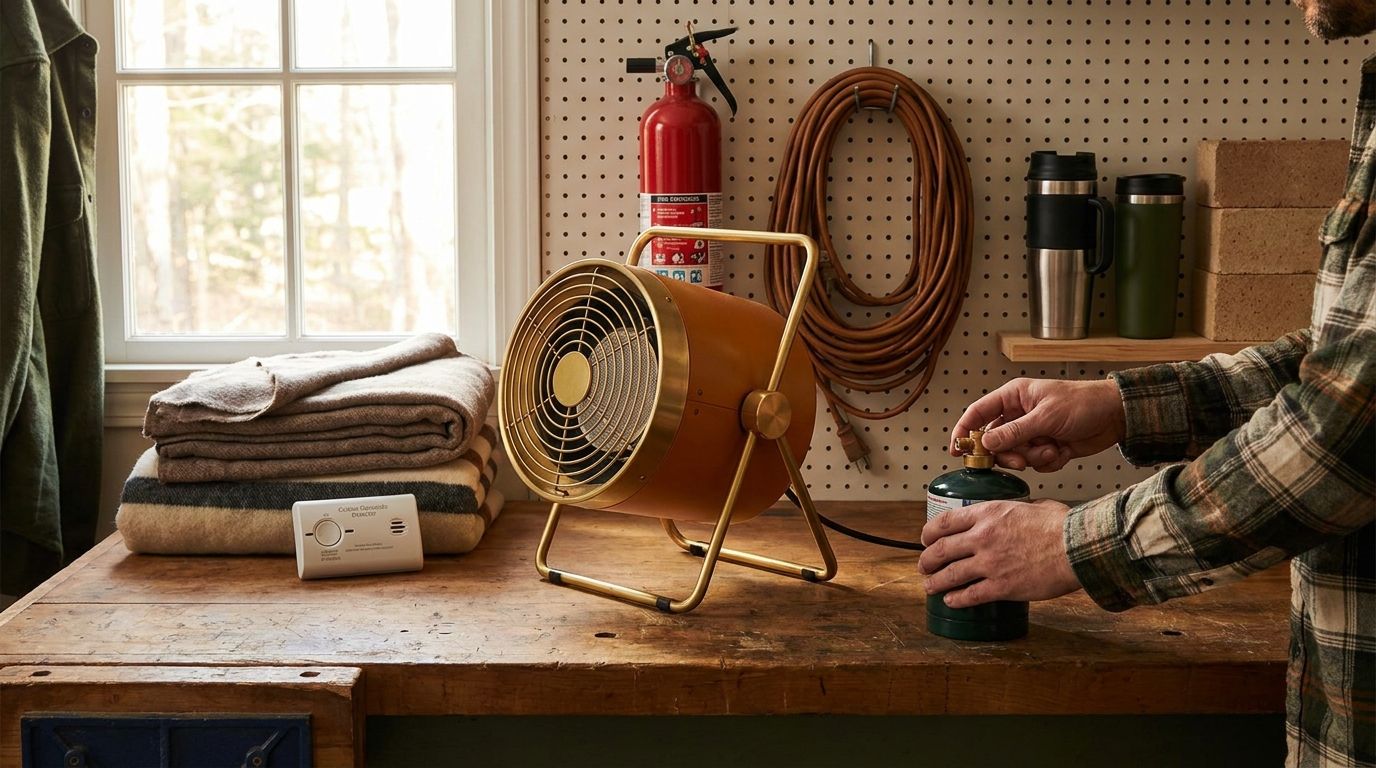
At 6:40 a.m., the house is quiet except for the refrigerator alarm and wind pressing against the windows. The thermostat reads 58 degrees. The coffee maker is useless, and someone has already asked whether the oven can warm the kitchen.
Staying warm without power starts with one rule: keep people warm without bringing combustion indoors or creating a fire hazard. The safest plan uses layered clothing, one heated room, approved equipment, carbon monoxide protection, and a clear point when the household leaves for a warmer location.
If you're working out how to stay warm during a power outage, don't improvise with a grill, camp stove, oven, or vehicle. Those options can cause carbon monoxide poisoning or fire. Use equipment only as its manufacturer allows, keep exits clear, and check on older adults, infants, people with medical needs, and pets early.
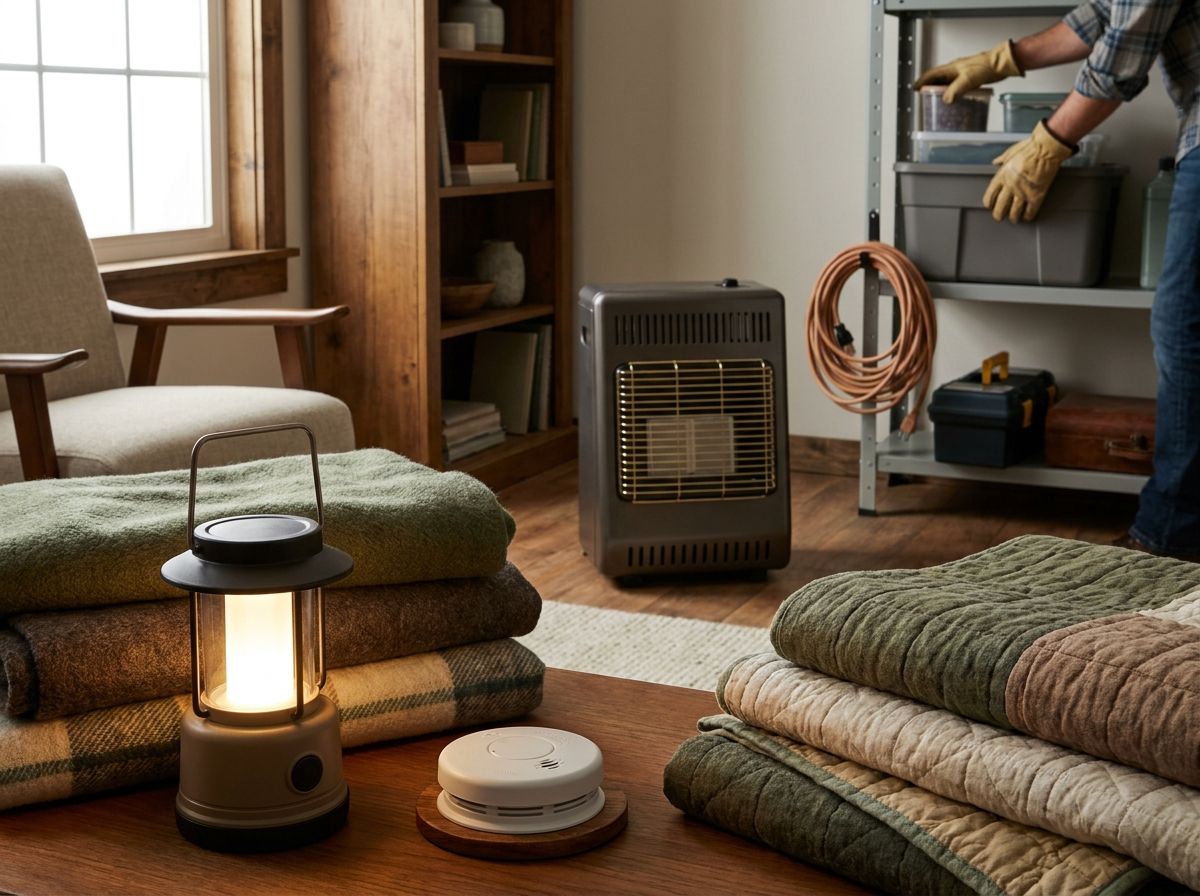
Start with the room, not the heater
A whole house is difficult to heat without utility power. One smaller room is not. Choose a room with few windows, a door that closes, and enough floor space to keep a heater well away from bedding, curtains, furniture, and foot traffic. A central room holds warmth better than a sunroom or finished basement almost every time.
Close doors to unused rooms. Hang blankets over drafty doorways, but don't block an exit. Roll a towel against the bottom of an exterior door, close curtains after sunset, and open sunny windows during the day only if outdoor conditions make that sensible. The goal is to slow heat loss, not seal the household inside an unsafe space.
Set up the warm room before the outage if winter weather is forecast. Put sleeping bags, wool blankets, coats, hats, gloves, and dry socks in the room. Keep drinking water nearby, because cold, dry air and extra layers can make people overlook hydration.
A practical warm-room setup includes:
- A clear path to the exit and an unobstructed doorway
- A working smoke alarm and carbon monoxide alarm nearby
- Blankets and sleeping bags stored off the floor
- A battery lantern placed where it cannot tip into fabric
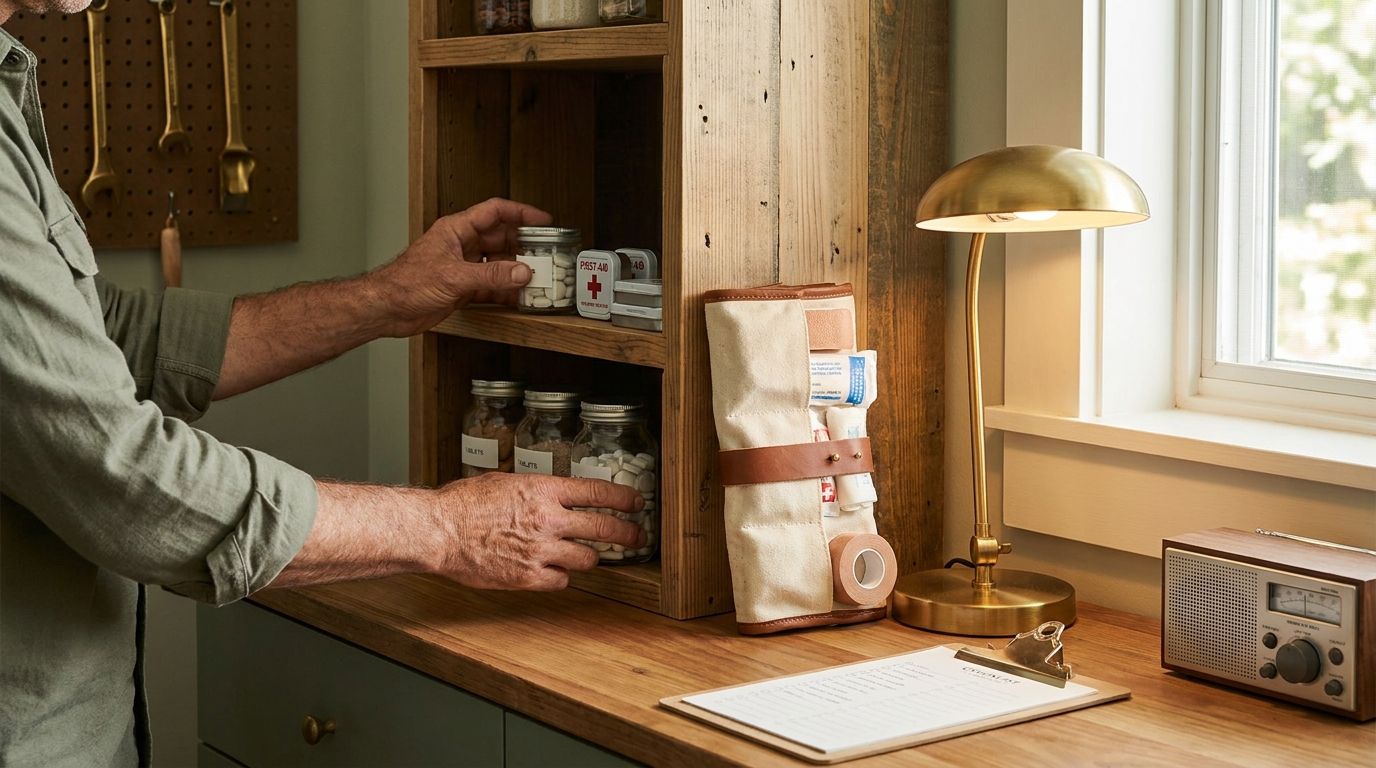
- Water, medications, chargers, and a way to call for help
Don't use a bathroom or closet as the warm room. Small spaces can become crowded, poorly ventilated, and difficult to leave quickly. If the room becomes uncomfortable, damp, smoky, or unusually stuffy, move everyone out and reassess the heat source.
Use portable electric heat only with safe power
Portable electric heaters can provide safe backup heat for home when they are listed by a recognized testing laboratory and used according to the manual. They don't produce carbon monoxide. But they can start fires when placed near fabric, plugged into overloaded circuits, or left unattended.
The U.S. Consumer Product Safety Commission reports that portable heaters are associated with hundreds of deaths and thousands of fire-related injuries each year. That risk doesn't make every heater unacceptable. It means placement and supervision matter.
Keep at least three feet of clear space around a portable heater unless the manufacturer requires more. Plug it directly into a wall outlet. Do not use an extension cord, power strip, or outlet controlled by a timer. Stop using the heater if the plug, cord, outlet, or wall plate becomes hot to the touch.
A portable heater should have features such as:
- Automatic shutoff if it tips over
- Overheat protection
- A thermostat or controlled heat setting
- A stable base
- A recognized safety certification mark
Keep children and pets away from the heater. Scout may find the warmest patch of floor before anyone else does (dogs are remarkably efficient at this), so move bedding and pet beds away from the unit rather than trusting a curious animal to keep distance. Turn the heater off when you leave the room or go to sleep, unless the manufacturer specifically provides a different operating instruction and the unit is positioned exactly as directed.
A generator can run some electric heaters, but that choice requires careful load planning. Never operate a generator inside a home, garage, basement, shed, or porch. The CDC recommends placing generators at least 20 feet from the house, with exhaust directed away from doors, windows, and vents. Carbon monoxide can enter through openings that seem too small to matter.
Know which heat sources never belong indoors
Several familiar items produce heat while also producing deadly carbon monoxide. Never use a charcoal grill, propane camp stove, patio heater, fire pit, or fuel-burning lantern inside a home, garage, tent, vehicle, or enclosed porch. Opening a window does not make these devices safe indoors. Not even close.
Never use the oven or stovetop to heat a room. A gas oven can release carbon monoxide. An electric oven can create a burn or fire hazard, especially when people gather around it or leave the door open. The appliance was designed for cooking, not room heating.
Don't bring a running vehicle into a garage, even with the garage door open. Snow can block the tailpipe, and exhaust can enter the home. If the household needs to warm up in a vehicle, move it completely outdoors and keep the tailpipe clear.
The National Fire Protection Association advises keeping anything that can burn at least three feet from a heat source. That includes bedding, clothing, paper, furniture, curtains, and storage bins. A heater placed next to a laundry basket isn't a heat plan. It's a fire waiting for the right interruption.
Watch for carbon monoxide symptoms, which can include headache, dizziness, weakness, nausea, vomiting, chest pain, and confusion. If an alarm sounds or several people feel sick at once, leave immediately for fresh air and call emergency services from outside. Do not reenter until responders say it is safe.
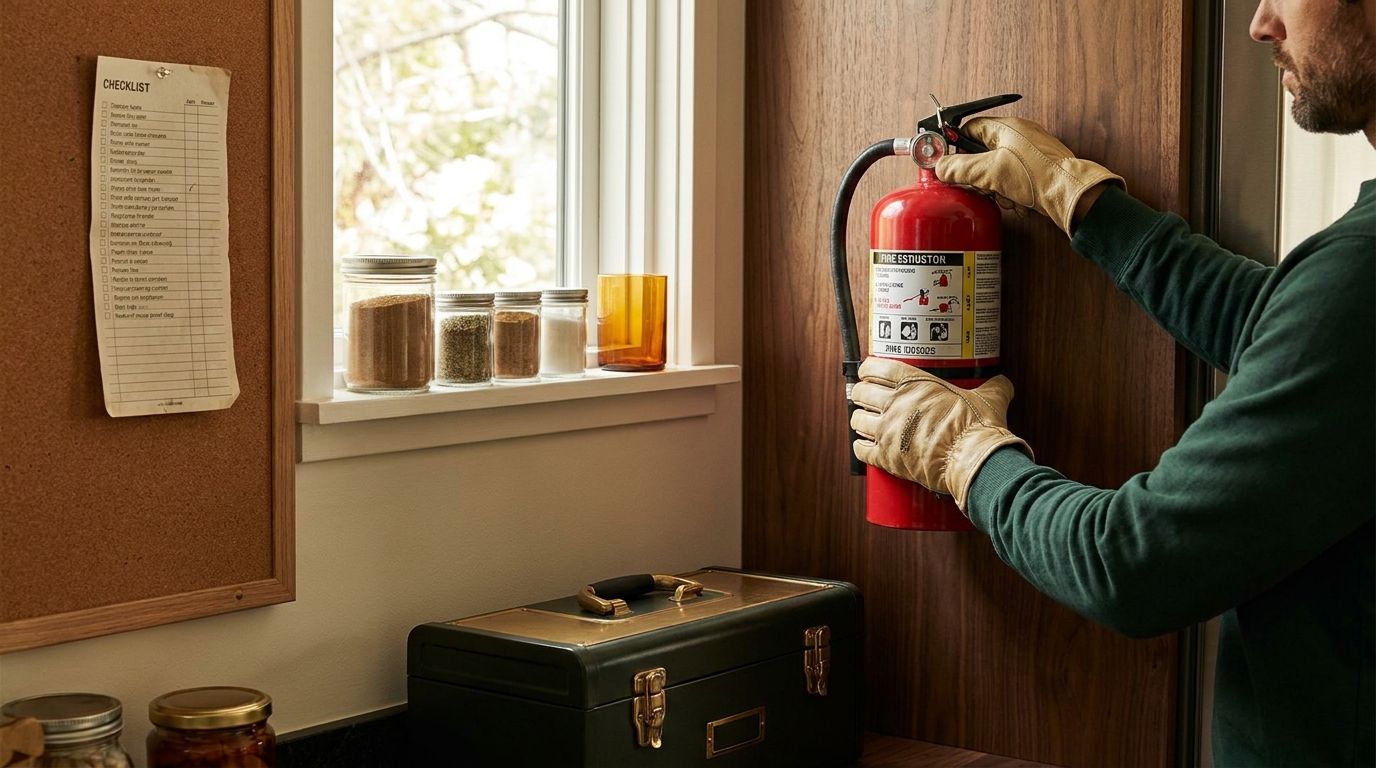
Test every carbon monoxide alarm before winter. Put one on each level and outside sleeping areas, following local code and the alarm manufacturer's instructions. Keep spare batteries with your winter supplies, and replace alarms according to their listed service life.
Decide whether to heat, relocate, or leave
Staying home is not always the right call. A short outage during a mild winter day is a different situation from a multi-day outage with falling indoor temperatures, frozen plumbing, and no working medical equipment. Make the decision before the household is tired and cold.
A home may no longer be a reasonable place to stay when:
- Indoor temperatures keep falling despite a safe warm-room setup
- Someone cannot maintain a safe body temperature or needs powered medical equipment
- Carbon monoxide or smoke alarms activate
- Water pipes are freezing and cannot be protected safely
- The household cannot keep a safe exit route clear
- Weather or road conditions make travel more dangerous later
The National Weather Service treats hypothermia as a medical concern, not merely an uncomfortable feeling. Shivering, confusion, fumbling hands, slurred speech, and unusual sleepiness need prompt attention. Infants, older adults, and people with certain medical conditions can become vulnerable sooner and may not describe the danger clearly.
Write down two destinations that can accept the household: a relative's home, a nearby shelter, or a hotel with confirmed power. Check on transportation, pet rules, medication needs, and access for anyone with mobility limitations. If Scout travels with the household, keep a leash, food, medications, and a towel with the departure supplies.
Suppose a January outage hits the Wills household outside Erie, Pennsylvania. June notices the indoor temperature has dropped to 60 degrees by late afternoon, and the forecast calls for another cold night. Instead of running the oven, the household moves to one room, checks the alarms, confirms that a nearby relative has heat, and leaves before roads become slick. That is a working plan, not a failure to tough it out.
Protect pipes and prevent secondary damage
Cold homes create more than a comfort problem. Water in pipes can freeze, expand, and split the pipe, and the damage may not appear until power returns and pressure pushes through the break.
If an outage is likely to last through freezing weather, open cabinet doors below sinks so warmer room air can circulate around plumbing. Let faucets drip only if local guidance or a plumber recommends it and the water supply is available. A slow drip can reduce pressure, but it does not replace insulation or a plan to shut off water.
Know where the home's main water shutoff is located. If the household leaves and freezing is likely, shutting off the water and draining accessible lines may reduce damage, but the correct steps vary by plumbing layout. If you're unsure, call a licensed plumber or the local utility before acting.
Do not use a torch, open flame, or improvised heater to thaw a frozen pipe. A hair dryer or approved electric heating tool may be suitable only when it can be used safely around water and the outlet is protected. Never leave it unattended. If a pipe has split, shut off the water and move valuables away from the leak.
Keep emergency heat supplies organized with the winter inventory. Record the location of the shutoff, the date alarms were tested, the heater model, and the fuel or power requirements. Mainstay's household profile and inventory can keep those details with the rest of the home's readiness plan, rather than on the back of a receipt that disappears when you need it.
Build a heat plan you can test in October
A good winter heat plan is small enough to use and specific enough to follow. Test the setup before cold weather makes every mistake expensive. You don't need to run a full outage simulation. A 20-minute walk-through can expose missing batteries, a short extension cord, or a heater manual nobody can find.
Record these details:
- The designated warm room
- The location of smoke and carbon monoxide alarms
- The approved heater and its direct-wall outlet
- The generator location, fuel plan, and outdoor operating distance
- The water shutoff location
- The relocation destinations and transportation plan
- The people and pets who need a check-in
On a cool evening, place the heater where it will operate, then confirm that furniture and fabric remain outside the required clearance. Check that the cord reaches the wall without crossing a walkway. Test alarms. Locate blankets and medication. Put the departure supplies near an exit.
Ask one plain question: what will make us leave? Write the answer on paper. It might be an indoor temperature threshold set with medical advice, a failed alarm, loss of required equipment, or a forecast that makes the next night unsafe. The exact threshold depends on the household, but vague decisions tend to happen late, when everyone is already cold and tired.
Rosa Wills keeps a printed winter card beside the utility panel. It names the warm room, the water shutoff, the generator location, and the address of the household's backup destination. That card doesn't heat the house. It removes four stressful decisions when the lights are out.
A monthly check during winter is enough for most households. Test alarms, inspect cords, verify fuel, and confirm that the relocation option still works. If the plan depends on one small heater, one outlet, or one person knowing the setup, fix that weak point before the next forecast.
FAQ
What is the safest way to stay warm during a power outage?
Use layers, blankets, and one designated warm room, then operate a listed electric heater only as directed. Keep the heater three feet from anything that can burn, plug it directly into a wall outlet, and use working smoke and carbon monoxide alarms. If the home continues to cool or anyone becomes medically vulnerable, relocate to a heated place.
Can I use a gas stove or oven for emergency heat without power?
No. Do not use a gas stove, gas oven, or electric oven to heat the home. These appliances can cause fire, burns, or carbon monoxide poisoning, and an open oven door is not a safe heating method.
Can I run a space heater from a generator?
Yes, but only if the generator can safely handle the heater's electrical load and the generator stays outdoors at least 20 feet from the home, with exhaust pointed away from openings. Plug the heater directly into the generator or use equipment approved for that generator. Never run the generator in a garage, basement, shed, porch, or other enclosed area.
How cold is too cold inside a house during a power outage?
There is no single safe indoor temperature for every household. Infants, older adults, people with medical conditions, and pets can face danger sooner than healthy adults. If anyone is shivering continuously, confused, unusually sleepy, weak, or unable to stay warm, move them to a heated location and seek medical help.
Should I leave my home during a winter outage?
Leave when the home cannot maintain safe warmth, essential medical equipment lacks power, alarms indicate danger, plumbing is at risk, or travel conditions are likely to worsen. Confirm a destination before leaving and take medications, documents, warm clothing, water, and pet supplies.
Before the next cold-weather forecast, choose the warm room and test every alarm. Place the heater manual, blankets, batteries, and relocation card together. That small check turns emergency heat without power from a last-minute improvisation into a household system you can trust.
Want this handled automatically? See the Mainstay membership.
Subscribe to comment
Join the Mainstay newsletter to leave a comment — and get new field notes in your inbox.
Get new field notes in your inbox
Practical, calm preparedness — one useful note at a time.