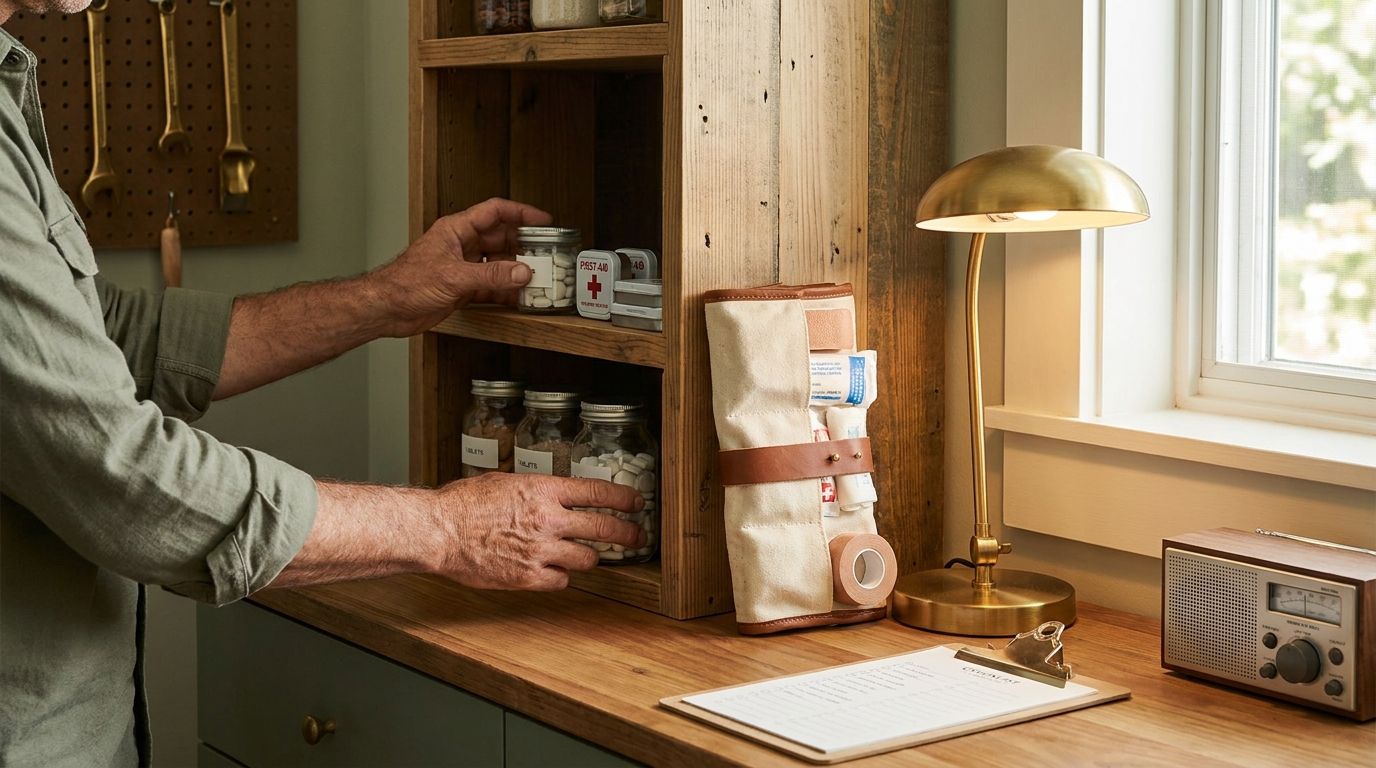
How to build a home sanitation kit for an emergency
Build a home sanitation kit that handles dirty water, waste, handwashing, and cleanup without turning your house into a chemistry experiment.
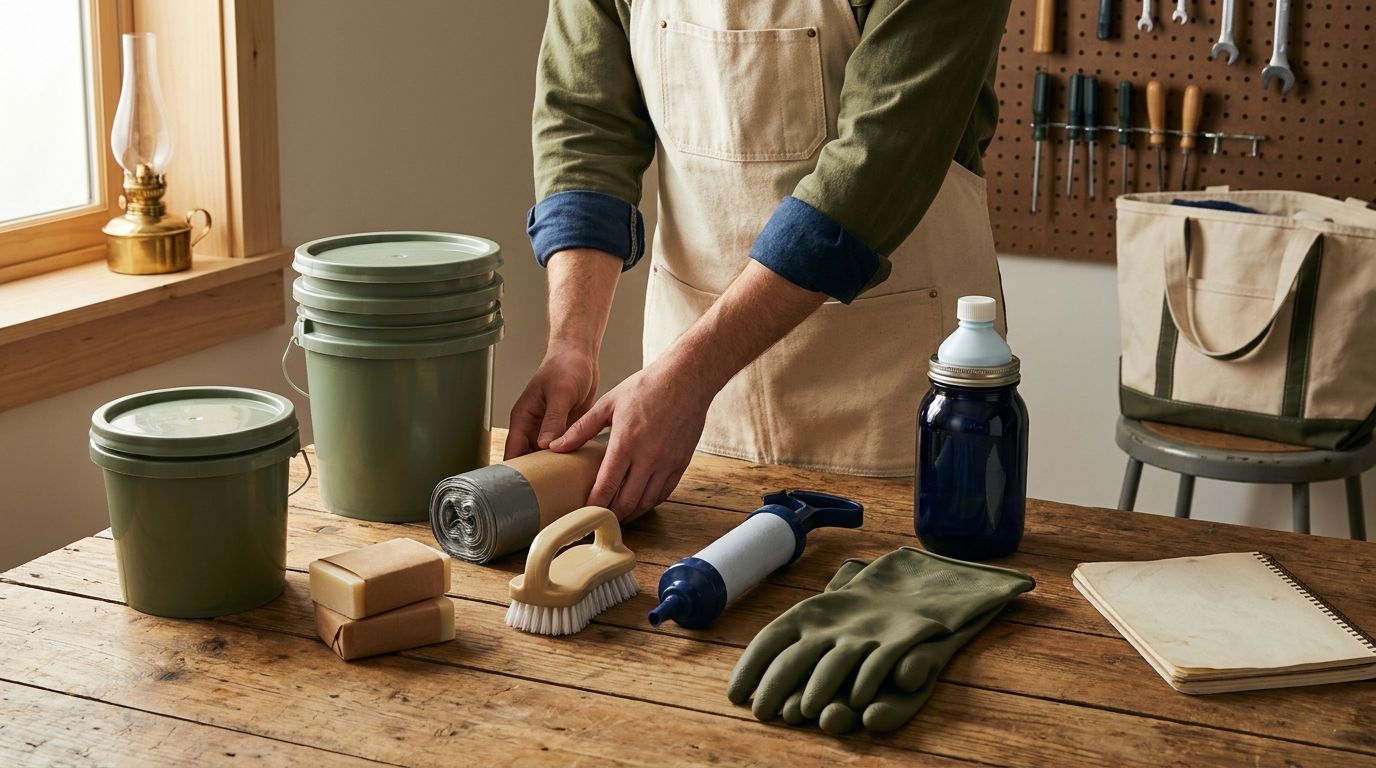
At 6:40 on a wet Tuesday morning, the bathroom sink in a Cedar Rapids home stops draining. Power is still on, but a notice on the door says the water system has lost pressure. A useful home sanitation kit gives that household a way to wash hands, manage toilet waste, clean surfaces, and keep small problems from spreading.
The goal is not a warehouse of supplies. It is a labeled, reachable setup that covers four jobs: hand hygiene, toilet use, surface cleaning, and waste handling. Build it around the people in your household, the layout of your home, and the local problems most likely to interrupt water service.
A sanitation kit checklist works best when it includes supplies, instructions, and a simple routine. You should know what to use, where it lives, and when to replace it before the bathroom is already unpleasant.
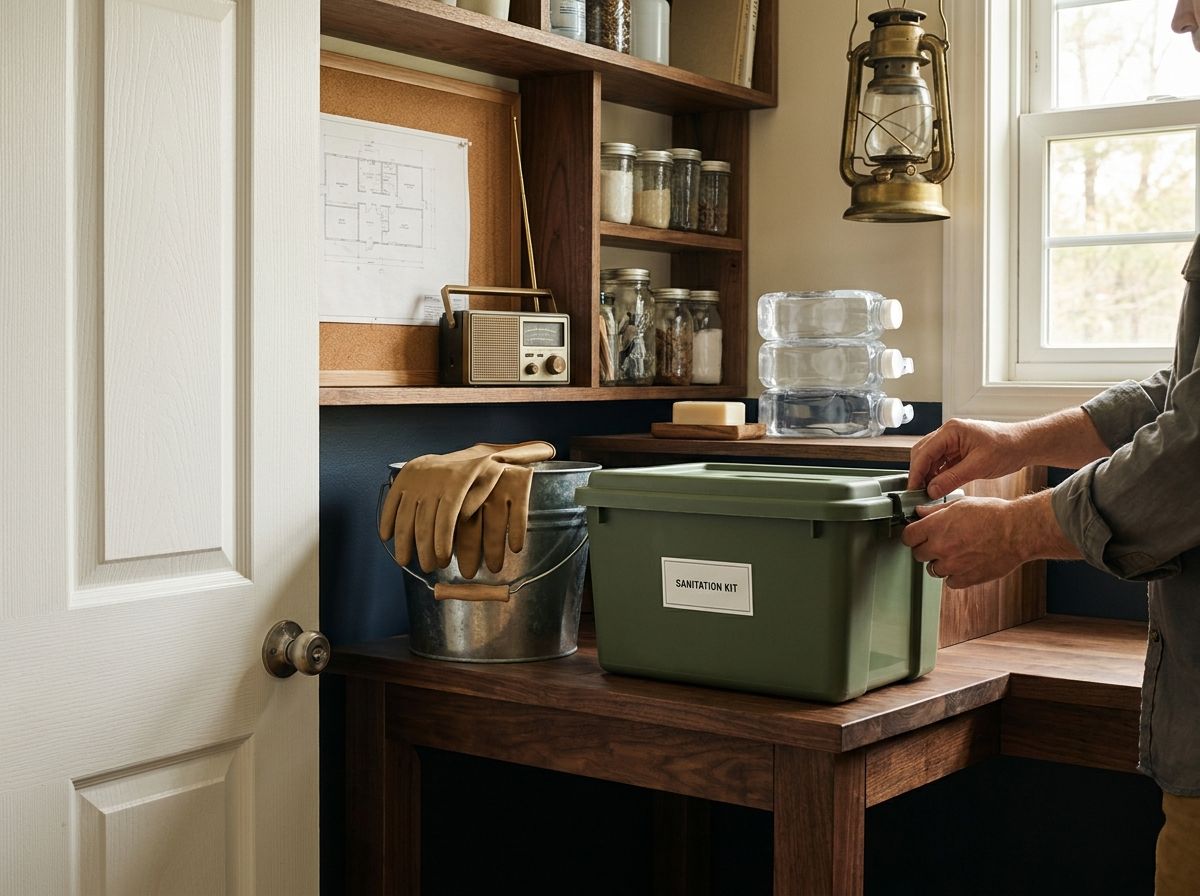
Start with the jobs your kit must handle
A home sanitation kit is not the same as a general cleaning caddy. It is a small household system for the period when normal plumbing, trash collection, or clean running water may not work. That distinction keeps you from buying six kinds of spray while forgetting trash bags and hand soap.
Walk through your house and write down the sanitation jobs you may need to complete without normal water service. Include toilet use, handwashing, food-preparation cleanup, dish handling, laundry for bodily fluids, and removal of household trash. If someone takes medication, cares for an infant, or has limited mobility, add the supplies that person needs to stay clean and comfortable.
The Centers for Disease Control and Prevention recommends washing hands with soap and clean running water for at least 20 seconds when possible. When soap and water are not available, CDC guidance calls for hand sanitizer with at least 60% alcohol. That gives you a clear baseline for your emergency hygiene supplies.
Your kit should cover these core jobs:
- Wash or sanitize hands after toilet use and before handling food.
- Create a temporary toilet setup if flushing is unsafe or unavailable.
- Bag and isolate used wipes, gloves, diapers, and other waste.
- Clean high-touch surfaces with a product used according to its label.
- Protect skin and clothing during dirty cleanup.
- Refill or replace supplies after the event.
A household with two adults and a dog needs a different quantity from a household with five people, two toddlers, and a septic system. Count actual users. Scout's waste bags and cleanup supplies belong in the same planning conversation, too, because pet waste becomes a real sanitation issue when outdoor disposal is limited.
Build the hand hygiene station
Hand hygiene is the part of household sanitation that affects every other task. A person can clean a toilet correctly and still spread contamination by touching the faucet, refrigerator handle, or phone afterward. Make hand cleaning easy to reach and hard to misunderstand.
Store one handwashing station near the main bathroom and another near the kitchen or food-preparation area. A station can use a lidded water container with a spigot, a basin for catching used water, liquid soap, paper towels, and a lined trash can. Keep the setup on a stable surface where children and adults can use it without lifting a heavy container.
Do not assume all stored water is suitable for washing. Label containers as drinking water, washing water, or utility water. Keep drinking water separate from water used to rinse dirty tools or flush a temporary toilet. The CDC says water that may be contaminated should not be used for brushing teeth, washing dishes, making ice, or preparing food unless it has been treated appropriately.
Pack these supplies in the hand hygiene section:
- Liquid hand soap in a pump bottle.
- Hand sanitizer containing at least 60% alcohol.
- Paper towels and a washable hand towel for normal use.
- Disposable gloves in several sizes.
- A basin or collapsible wash tub.
- Water containers with caps and clear labels.
- Moist wipes for situations where a full wash is not practical.
Hand sanitizer is useful, but it does not replace soap and water when hands are visibly dirty or greasy. It also needs to stay away from flames and high heat, because alcohol burns. Put it in a cool cabinet, not beside a camp stove where someone can grab it by habit.
In 2021, a winter storm left parts of Austin, Texas, without dependable water service. A household with a filled washing container, pump soap, and a separate waste basin could keep the kitchen usable without burning drinking water on every hand rinse. That is the point of the station: fewer decisions at the worst moment.
Plan for toilet use and human waste
Toilet problems become urgent fast. If a municipal notice says not to flush, follow it. Flushing can push contaminated water back into the home, overload a damaged sewer line, or fill a septic system that cannot operate without power. Your kit needs a clear alternative.
A basic temporary toilet can be built with a sturdy 5-gallon bucket, a snap-on toilet seat, heavy-duty bags, absorbent material, toilet paper, and disinfecting wipes. Commercial portable toilets are another option. Choose a container that can support the users in your home and fit through the doorway without scraping walls or becoming impossible to carry when full.
Line the container with two heavy-duty bags if the product instructions allow it. Place absorbent material in the bottom, such as sawdust, shredded paper, or a purpose-made solidifying product. After each use, add more absorbent material, close the inner bag securely, and keep the outer bag in a lidded container away from food, pets, and living areas.
The exact disposal method depends on local instructions. During a sewer interruption, do not place human waste bags at the curb unless local officials or the waste service specifically allows it. Some communities provide collection instructions, others direct residents to a designated facility. Keep a printed contact list for your water utility, county health department, and waste service because internet access may be unreliable.
A toilet section should include:
- A sturdy bucket or approved portable toilet.
- Heavy-duty bags sized for the container.
- Absorbent material or solidifying packets.
- Toilet paper and fragrance-free wipes.
- Disposable gloves, eye protection, and an apron.
- A lidded secondary container for sealed waste bags.
- Cleaning supplies that stay separate from food and drinking water.
Do not pour bleach into a toilet containing urine or other waste. Never mix bleach with ammonia, acids, or other cleaners. Chemical reactions can release dangerous gases. Use one product at a time, follow its label, and ventilate the room when the label calls for it.
Add cleaning, disinfection, and laundry supplies
Cleaning and disinfection are related but not identical. Cleaning removes dirt and organic material. Disinfection uses a product approved for that purpose to kill germs that remain on a surface. A dirty countertop can reduce the effectiveness of a disinfectant, so wipe away visible soil before applying the product.
Choose a small number of products you already know how to use. An EPA-registered disinfectant label tells you which surfaces it works on, how long the surface must stay wet, and whether rinsing is required. That wet contact time matters. Spraying and immediately wiping usually does not provide the same result as following the label.
Unscented liquid household bleach may be useful when the label provides a suitable dilution. Use the label directions rather than a recipe copied from an old message. Bleach loses strength over time, reacts with other cleaners, and can damage fabrics or metal. Store it upright, away from sunlight, and never transfer it to an unlabeled bottle.
Include supplies for the messes that actually happen:
- Disposable gloves and reusable utility gloves.
- Eye protection for splashes.
- Plastic aprons or washable work clothes.
- Paper towels, rags, and scrub brushes.
- EPA-registered disinfectant or labeled bleach.
- Dish soap for normal washing and grease removal.
- Laundry detergent and sealable bags for dirty clothing.
- A mop head or floor-cleaning tool that can be isolated afterward.
If a toilet backs up, keep people and pets out of the area. Remove clean items like towels, toothbrushes, and toiletries before cleanup begins. Put contaminated laundry in a sealed bag or container until it can be washed. Do not shake it, because shaking can spread contaminated particles through the room.
For a small household, one pair of goggles may be enough. For a household with four people who might clean together, buy enough eye protection and gloves for the actual crew. Keep the protective gear with the sanitation supplies, not in a distant garage cabinet that nobody can reach while wearing muddy boots.
Store the kit so you can use it under pressure
A sanitation kit fails when it is technically complete but scattered across the house. Keep the main supplies in one clearly labeled tote. Store water containers separately if they are too heavy to move safely. Put toilet supplies in a smaller bag inside the tote so you can retrieve them without unpacking everything.
Choose a location with a dry floor, moderate temperature, and clear access. A basement may be a poor choice if flooding is possible. A high shelf may be a poor choice if someone needs to lift a heavy container. Think about the route from storage to the bathroom, then walk it with a full load once.
Use simple labels that describe the action:
- WASH HANDS.
- TOILET SETUP.
- CLEAN AND DISINFECT.
- USED WASTE.
- RESTOCK.
Add an inventory card inside the lid. Record quantities, expiration dates, container sizes, and replacement notes. The EPA says disinfectant products must be used according to their labels, and the label is the best place to confirm storage limits and approved uses. For bleach, record the purchase month because its active ingredient becomes less reliable over time.
Check the kit at the start of each season and after every use. Replace cracked gloves, dried wipes, leaking bottles, and supplies that have absorbed moisture. Test the toilet seat on the bucket. Open the pump soap. Confirm that the sanitizer has not evaporated. This is not glamorous work, but neither is discovering that the only trash bags left are the tiny ones from the office printer room.
With Mainstay's inventory and household profile, you can record who the kit serves, where it is stored, and which supplies need attention. You do not need software to do this, though. A printed card works if you check it consistently.
Turn the supplies into a household procedure
A kit becomes dependable when everyone knows the sequence. Write a one-page procedure and tape a copy inside the sanitation tote. Keep another copy near the bathroom. Use plain instructions that still make sense when someone is tired, worried, or wearing gloves.
Your procedure can follow this order:
- Confirm whether the water is safe for drinking, washing, flushing, and food preparation.
- Set up the handwashing station before beginning cleanup.
- Stop flushing if officials or building management say not to flush.
- Set up the temporary toilet and place waste supplies nearby.
- Clean visible dirt before applying disinfectant.
- Seal waste, remove protective gear, and wash hands.
- Record what was used and restock the kit afterward.
Give each adult a short walkthrough. Show where the gloves are, how to close the waste container, and which bottle is the disinfectant. If someone in the home has mobility limits, test the arrangement from their perspective. The bucket may need a raised seat, a wider path, or a different room with better ventilation.
Consider two realistic scenarios. In a rural home outside Boise, Idaho, a failed well pump may leave the toilet usable but the sinks dry. In an apartment in Newark, New Jersey, a building plumbing failure may make flushing unsafe while trash pickup continues normally. The right response is different in each place, so your written plan should include local contacts and building-specific instructions.
A printed sanitation kit checklist should include:
- Number of household members and pets.
- Water containers and intended use.
- Handwashing supplies and sanitizer percentage.
- Toilet container, bags, absorbent material, and disposal plan.
- Protective equipment and cleaning products.
- Local water, health, sewer, and waste contacts.
- Last inspection date and next restock date.
Do a dry run once. Set up the hand station, place the bucket, locate the gloves, and put everything away. You will find the awkward parts while the floor is clean and the lighting is good.
FAQ
What belongs in a home emergency sanitation kit?
A complete kit includes hand soap, hand sanitizer with at least 60% alcohol, water for washing, a basin, paper towels, gloves, toilet bags, absorbent material, a bucket or portable toilet, disinfectant, trash containers, and protective clothing. Add supplies for infants, older adults, people with disabilities, and pets in your household.
How much water should I store for sanitation?
Store separate water for drinking and washing, then calculate based on the number of people, the likely duration, and your toilet setup. Do not use water of uncertain quality for brushing teeth, food preparation, or dishwashing unless it has been treated according to public health guidance. Your local water utility may issue more specific instructions during a service interruption.
Can I flush the toilet when the water is not safe to drink?
Sometimes, but a drinking-water advisory does not answer every flushing question. A sewer failure, low pressure, septic problem, or boil-water notice may each require different action. Follow the exact notice from your water utility or building manager, and stop flushing when instructed.
How should I dispose of human waste bags?
Seal waste bags securely and keep them in a lidded container away from food, children, and pets. Follow instructions from your local health department, waste service, or emergency management office before placing them outdoors or in regular trash. Disposal rules vary by location and situation.
How often should I check sanitation supplies?
Inspect the kit at least once each season and after every use. Replace damaged packaging, expired or degraded products, empty containers, and protective gear that no longer fits. Record the inspection date on the inventory card so the next check does not depend on memory.
Put a container, gloves, soap, bags, and disinfectant in one place today. Then write the local water and waste contacts on the lid. That small setup turns sanitation from a scramble into a household task with a known next step.
Want this handled automatically? See the Mainstay membership.
Subscribe to comment
Join the Mainstay newsletter to leave a comment — and get new field notes in your inbox.
Get new field notes in your inbox
Practical, calm preparedness — one useful note at a time.