How to build a household emergency food plan for allergies, preferences, and special diets
Build an emergency food plan your household can actually use, with allergy-safe storage, dietary substitutions, clear labels, and a rotation routine.
At 6:40 on a Tuesday morning, the power is out, the refrigerator is warming, and the only shelf-stable breakfast in the pantry contains the one ingredient your household avoids. That is how a food plan fails. A useful emergency food plan starts with the people who will eat it, then builds a safe, familiar menu around their allergies, preferences, medical needs, and actual cooking limits.
You do not need a pantry full of expensive specialty products. You need enough safe food for your household, clean ingredient checks, a way to prevent mix-ups, and a rotation habit that keeps everything usable. The goal is calm competence, not a collection of cans nobody wants.
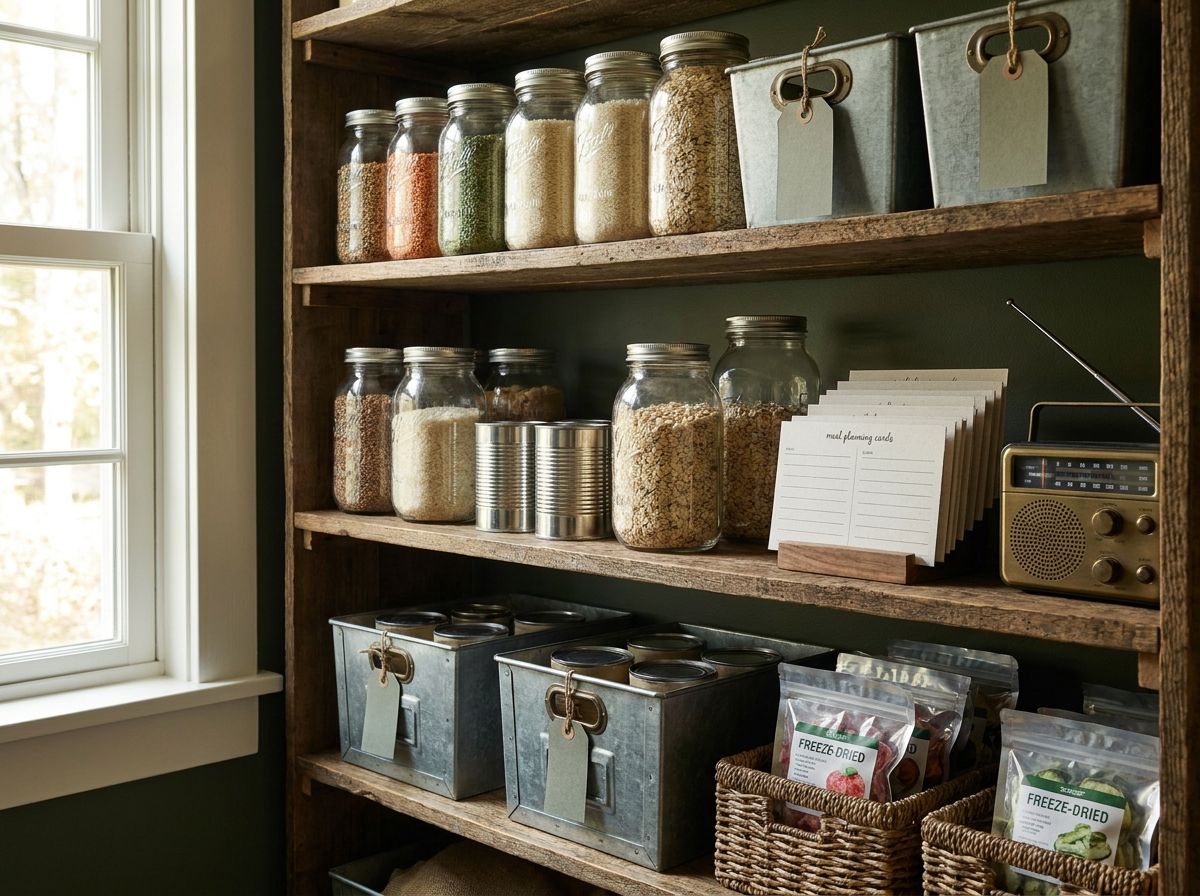
Start with the people, not the products
Before you buy emergency food for food allergies or special diets, write down who needs what. A household profile gives you a working reference when you are tired, rushed, or buying from three different stores. Record each person's medical allergies, food intolerances, religious restrictions, preferred foods, disliked textures, and foods they can eat cold and straight from the package.
Use plain language. "No dairy" might mean lactose intolerance, a milk allergy, or a personal choice, and those three situations do not carry the same consequences. "Gluten-free" can describe a preference, a diagnosed condition, or a strict medical requirement that affects shared cookware and stray crumbs. Write the actual requirement, and ask the person's clinician when the distinction matters.
For each household member, note:
- Foods that must never be served
- Foods that are safe but unpopular
- Foods that need refrigeration, heating, soaking, or extra water
- Foods that help them stay functional under stress
A six-year-old who normally eats oatmeal may reject a dry protein bar when the lights are out. An adult with celiac disease may need separate preparation tools, not merely a gluten-free label. A family member on a low-sodium diet may need unsalted beans and vegetables rather than a standard canned meal.
Preferences belong in the plan because familiar food is easier to use under pressure. The Federal Emergency Management Agency has long advised households to store foods that require little preparation and are familiar to the people eating them. That advice also cuts waste. You are more likely to rotate foods your household already accepts.
Keep the household profile in the same place as your inventory. Mainstay's Household profile can hold the people, restrictions, and planning notes that shape your food choices, while the Inventory tracks the actual products on the shelf. A paper copy still has a place. Technology is helpful until the battery is not.
Set a realistic food target
Choose a time period and a daily food pattern before you shop. Many households begin with three days because it is a manageable baseline, then expand based on location, weather, medical needs, and distance from stores. A remote home outside Flagstaff, Arizona needs a different buffer than an apartment two blocks from a grocery store in Philadelphia.
Do not count calories with false precision. Map what each person needs across a normal day instead. Include breakfast, a substantial midday meal, an evening meal, and snacks or replacement meals for anyone who needs steady food intake. Children, older adults, pregnant people, and people with diabetes may need individualized guidance from a clinician or dietitian.
A practical planning worksheet includes:
- Number of people and the number of days
- Shelf-stable meals for each person
- Drinking and cooking water required by those meals
- Food needed for pets, including Scout if he is part of your household
- A backup for foods that depend on refrigeration
A household of four might choose two breakfasts, two lunches, two dinners, and several snack options for each day. That creates variety without turning the pantry into a miniature supermarket. Add a buffer for visitors or a neighbor who needs a meal, but keep the amount reasonable enough to rotate.
Read the serving size closely. A can marked "four servings" may provide four small side portions rather than four complete meals. Check calories, protein, fiber, and sodium where those details affect your household. USDA MyPlate guidance is built around variety across food groups, but your stored plan does not need to look like a perfect fresh-food plate. It needs to provide adequate, safe food that people will actually eat.
Water changes the calculation. Rice, dried beans, powdered milk, and dehydrated meals can require more water and fuel than their packaging suggests. A no-cook food plan is often simpler during a utility outage. If you store dry ingredients, document the cooking method and the fuel required right beside the food, not in a notebook you will spend twenty minutes hunting for.
Build a safe allergy and special diet system
Food allergies require more than buying products with reassuring words on the front. In the United States, the Food and Drug Administration recognizes nine major food allergens: milk, egg, fish, crustacean shellfish, tree nuts, peanuts, wheat, soy, and sesame. Sesame became the ninth major allergen under federal labeling rules in 2023.
Check the full ingredient list and the "Contains" statement every time you buy a product. Manufacturers can change recipes, and a familiar package is not proof that the contents are the same. Keep a photo of the approved label with your inventory record if the product is central to the plan.
For a serious allergy, separate the safe supply from ordinary household food. Use a sealed bin with a clear outside label. Store individual packages in their original packaging, and do not transfer food into an unmarked container. If shared equipment creates a risk for someone in your household, ask their medical professional for specific guidance on preparation and cleanup.
Your safe-food check should cover:
- The ingredient list and allergen statement
- Cross-contact warnings such as "may contain" language
- The package seal and any signs of damage
- Whether the food needs refrigeration after opening
- Whether the person can eat it without special utensils
Cross-contact is not the same as an ingredient allergy, but the distinction does not make the household problem any smaller. A peanut-free cracker can still be unsuitable if it was made on shared equipment and the person's medical plan requires strict avoidance. When the label is unclear, put that product in the "not approved" section until you can verify it.
Keep prescribed medication and written response instructions with the food plan, but do not treat food storage as medical care. A person with a known severe allergy should follow their clinician's emergency action plan and keep prescribed medication available according to that plan. Food is one part of household planning, not a substitute for treatment.
Choose foods around real preparation limits
A food can be shelf-stable and still be a poor choice. If it needs a can opener, three cups of water, a working stove, and someone willing to eat it cold, it belongs in a backup category rather than at the center of your plan.
Test the foods before you buy them in quantity. Pick one breakfast, one lunch, one dinner, and one snack from the proposed supply. Serve them on an ordinary evening. Check the texture, the portion size, the cleanup, and how much water or fuel they use. June Wills discovered this the practical way after a lentil pouch turned into a thick paste when prepared with the amount of water printed on the package. The household kept the pouches, but moved them to the "use with extra water" section.
Good candidates often include:
- Ready-to-eat fruit, vegetables, and beans in suitable packaging
- Shelf-stable proteins that match the household's diet
- Rice cakes, crackers, oats, or tortillas that meet allergy requirements
- Nut-free or allergen-safe spreads when approved by the household
- Shelf-stable milk or a medically suitable substitute
- Familiar snacks that provide dependable energy
Do not overlook texture and sensory preferences. A person who avoids mushy foods may eat dry cereal, crackers, tuna packets, or roasted chickpeas, while another person may need softer food. Someone with limited chewing ability may need a different plan entirely. Ask what they will eat on a bad day, not what sounds nutritious during a shopping trip.
Plan around temperature, too. Some people cannot tolerate hot food, others need warm meals for comfort or digestion. A small camping stove can expand your options, but it also adds fuel, ventilation, and burn-safety requirements. If you cook indoors, follow the appliance instructions and never use outdoor combustion equipment in a home, garage, or enclosed space.
Prevent mix-ups with storage and labeling
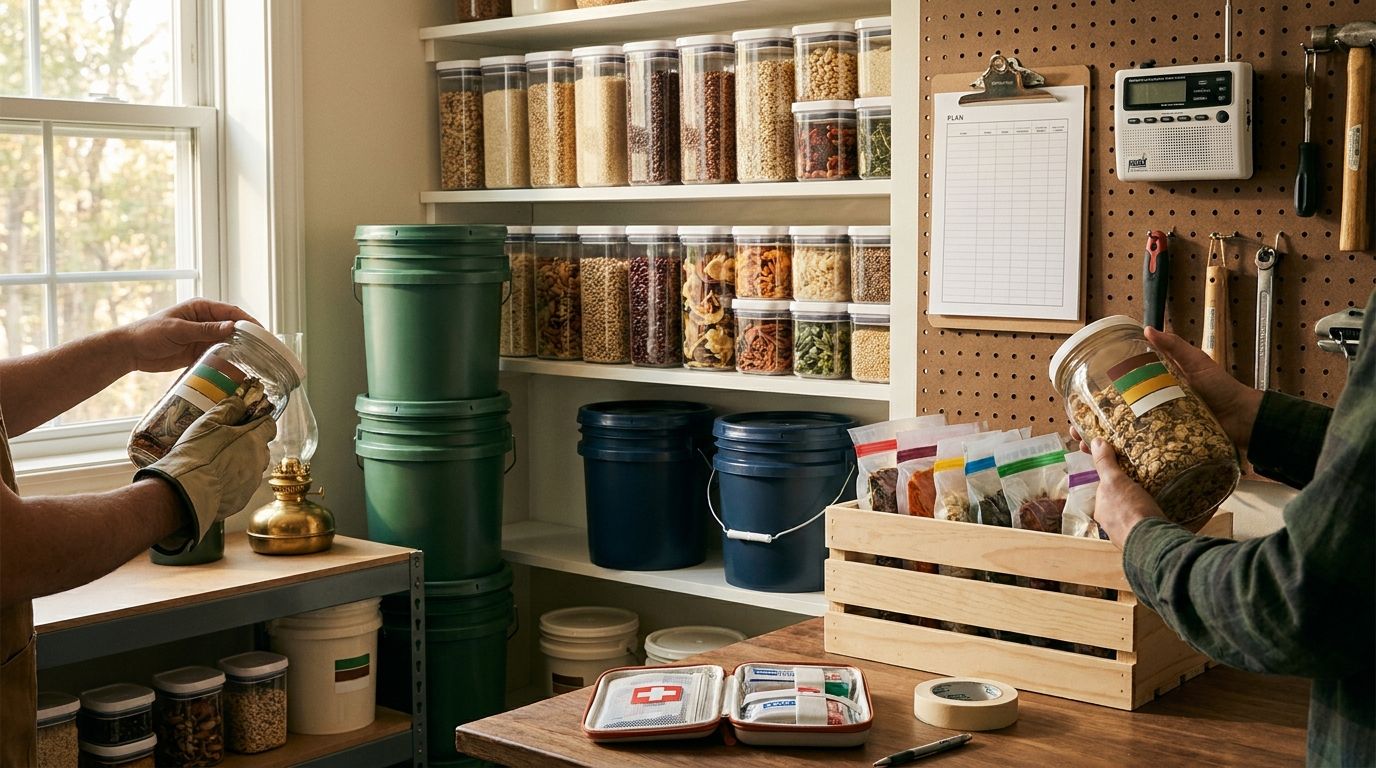
Organization is a safety control. Put approved foods in one clearly marked zone, and keep foods with shared allergens in a separate zone when the household requires that separation. The arrangement should make sense to someone other than the person who built it.
Use a simple label format: food name, allergens or restrictions, purchase date, expiration or best-by date, preparation needs, and who can eat it. "Pasta" is not enough. "Rice pasta, gluten-free, boil 8 minutes, use first by October 2027" tells you what matters.
Use a four-part storage map:
- Safe and ready to eat
- Safe but requires cooking or added water
- Household food with restricted ingredients
- Review before use because the label, seal, or date needs checking
Store food off the floor, away from heat, moisture, pests, and direct sunlight. Keep cans where you can inspect them. USDA guidance says to discard cans that are swollen, leaking, rusted through, or deeply dented, especially along seams. Do not taste questionable food to decide whether it is safe. The pantry is not a laboratory.
If multiple people help with the household, show them the system. Rosa Wills keeps a printed allergy card inside the pantry door so a visiting relative can check restrictions without guessing. The card does not need private medical detail. It needs clear instructions like "Do not serve foods containing peanuts or sesame" and "Use the green-labeled bin for approved meals."
A duplicate list belongs in your document vault or household file. Keep one offline copy with the food, another in a household binder, and a digital copy if that suits your system. The point is access when one location is blocked or one person is away.
Rotate the plan and test the whole system
An emergency food plan is only useful if the food remains safe, identifiable, and acceptable. Add the supply to the same rotation rhythm as the rest of your household supplies. When you buy a new approved item, move older stock forward and record the change.
Set a monthly check for the items that matter most. Look at allergy-safe foods, medical diet products, infant foods, pet food, and anything with a short shelf life. A quarterly check can cover the larger pantry, cooking tools, fuel, and water requirements.
During each review:
- Confirm labels and recipes have not changed
- Inspect packaging for damage or pests
- Move the oldest approved food to everyday use
- Replace foods that no longer fit the household
- Test one meal and its preparation method
Expiration dates need context. A "best by" date generally concerns quality, while a "use by" date may carry a stronger safety meaning depending on the product and the manufacturer. Follow the label, storage instructions, and official guidance for that food. Never assume a sealed package is safe forever.
Test the plan during a calm weekend. Turn off the usual kitchen conveniences only if it is safe to do so, then prepare the food using the stored tools and water. Can you open every package? Does the person with a food allergy have a clean preparation surface? Does the meal create more dishes than you can wash? Does the household know which bin to use?
Use Mainstay's Inventory to record quantities, dates, and reorder points, then keep the actual meal instructions in the Preparedness plan. The Dashboard can show what needs attention without making you dig through every shelf. With Mainstay's household planning system, the useful connection is between who needs the food and what is actually stored.
Make the plan usable during a stressful day
A food plan should tell you what to do without requiring a long decision process. Create a one-page guide with the safe foods, the first meals to use, preparation instructions, allergy restrictions, and the location of medication or medical documents. Keep it with the supplies and share it with the adults who may be responsible for the household.
Use plain meal cards. "Breakfast: approved oats, shelf-stable milk, cinnamon. Add water from blue container. No shared spoon." That is more useful than a spreadsheet with twelve tabs. If a food requires a particular opener, stove, filter, or measuring cup, list the tool right beside it.
A sample three-day structure might look like this:
- Day one: ready-to-eat foods and familiar snacks while you assess the situation
- Day two: meals that use the first cooking method and the oldest safe foods
- Day three: foods that require more water, fuel, or preparation
- Replacement: a clear note for the next grocery trip
The structure can change for your household. A person with diabetes, kidney disease, severe allergies, or another medical condition should have a food plan reviewed by the appropriate professional. Medication timing and dietary needs can make generic advice unsuitable.
Keep a backup for the person whose food cannot be replaced locally. If the only safe bread is sold at one store, stock an approved alternative that does not depend on that store's inventory. If a child will eat only one brand of protein drink, rotate it carefully and identify a second acceptable option over time. This sounds like extra work. It is. Do it once and you will not think about it again.
Then practice the handoff. Ask another adult to find the safe bin and assemble one meal from the instructions. If they need to call you for every step, the system is not finished. Fix the label, simplify the card, or move the tool. That small test is worth more than another month of theoretical planning.
FAQ
How much emergency food should I store for my household?
Start with a three-day supply of meals and snacks for every household member, then adjust for medical needs, location, weather, transportation, and access to stores. Count realistic servings, water, cooking fuel, and food for pets rather than relying on package claims alone.
What is the best emergency food for food allergies?
The best option is a shelf-stable food with a verified ingredient list that the person already eats and can prepare safely. Check the label each time you buy it, store it separately when needed, and avoid products with unclear ingredients or packaging damage.
How do I store food for a gluten-free household?
Keep approved gluten-free foods in sealed, clearly labeled containers or their original packages. Prevent crumbs and shared utensils from reaching the safe supply, and follow the medical guidance of anyone with celiac disease or a diagnosed wheat-related condition.
How can I plan emergency food for a special diet?
Write down the exact dietary requirement, then choose familiar foods that meet it without relying on refrigeration or complicated cooking. Test the meals, record water and fuel needs, and rotate the supply so the food remains acceptable and within its labeled storage period.
Should I include food nobody in my household likes?
Only as a limited backup when it fills a real nutritional or medical need and you have tested it. A large supply of rejected food ties up money and shelf space. Start with foods your household accepts, then expand the menu gradually.
Take the next step today: write each person's food restrictions on one page, choose a three-day target, and inspect five products already in your pantry. Record the ingredients, dates, preparation needs, and safe storage location. That small audit will show you exactly what your emergency food plan needs next.
Want this handled automatically? See the Mainstay membership.
Subscribe to comment
Join the Mainstay newsletter to leave a comment — and get new field notes in your inbox.
Get new field notes in your inbox
Practical, calm preparedness — one useful note at a time.