How to choose emergency water containers for a small home
The best emergency water containers are not always the biggest. Learn how to store enough household water in a small home without blocking doors, stairs, or daily life.
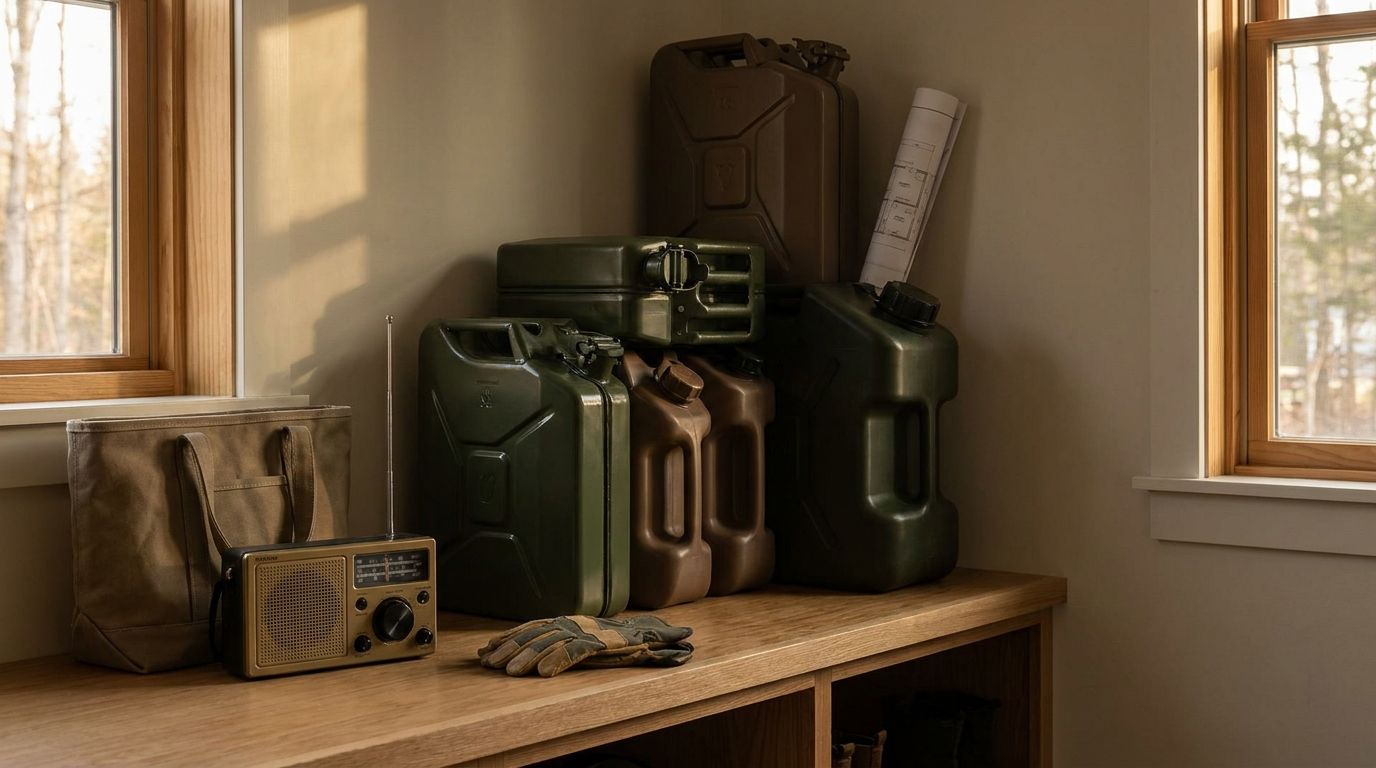
June Wills found the problem behind the laundry basket. A shelf held paper towels, batteries, and a half-empty box of detergent, with no room left for the water containers she'd planned to buy. Scout was nosing around her ankles, hopeful that the whole exercise involved treats.
The best emergency water containers for a small home are food-grade, durable, easy to lift, and sized to fit the space you already have. You do not need one enormous tank. A mix of smaller containers and commercially bottled water usually gives a household a more practical supply.
Start with the amount your household needs, then choose containers around your actual floor plan. A good setup is easy to inspect, rotate, carry, and explain to someone who did not organize it.
Start with the water target and the room you have
The Centers for Disease Control and Prevention uses one gallon of water per person per day as a basic household planning figure. That amount covers drinking and some simple food preparation, but it does not cover every cleaning task, shower, or toilet flush. For a three-day supply, two adults would start at six gallons. A household with a child, an older adult, a pet, or someone with a medical need may need a larger reserve.
That number is a planning baseline, not a command to turn your home into a warehouse. If your apartment has one narrow closet, the right move may be to build toward a smaller first target and expand it after you know what fits. You are allowed to make a useful start without solving the whole water problem on Saturday afternoon.
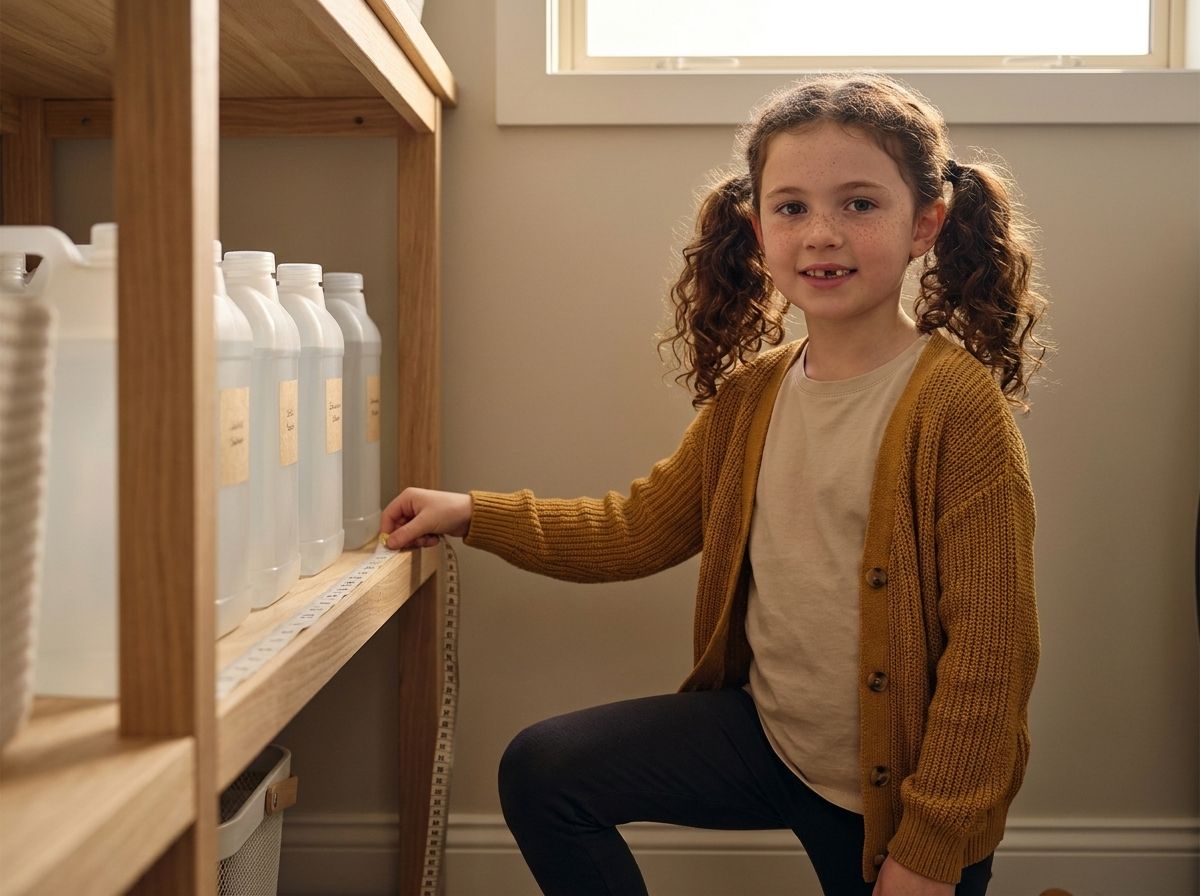
Measure the storage area before you shop. Note the width, depth, height, door swing, and the distance to the floor. A container that fits on paper can still become a nuisance if it blocks the electrical panel or requires moving six boxes to reach it.
Write down these details:
- The exact shelf or floor footprint available
- The maximum weight you can lift comfortably
- The nearest practical location for carrying water
- The room temperature across the year
- The space needed to rotate older water out
Water is heavy. One gallon weighs about 8.3 pounds, before you count the container. A six-gallon container is more than 50 pounds when full, which is awkward in a hallway and genuinely unpleasant on a high shelf. Smaller containers often use more shelf space per gallon, but they are easier to move and less likely to become a permanent obstacle.
June measured the bottom shelf and found room for four three-gallon containers. That gave her 12 gallons without putting weight above shoulder height. She added a small case of commercial bottles for quick access, then kept a note on the inside of the closet door showing the total.
The useful question is not, "What is the largest container I can buy?" Ask instead: "What can I move, inspect, and refill without rearranging the house?"
Compare the best emergency water containers by job
Different containers work well for different parts of a household water plan. A small home benefits from assigning each type a specific job instead of expecting one container to do everything.
Commercially bottled water
Commercially bottled water is simple, sealed, and familiar. Individual bottles are easy to distribute, and cases can slide under a bed or onto a closet floor. They are also useful when you need a supply that requires no filling or cleaning at the start.
The drawbacks are packaging waste, awkward case shapes, and the temptation to forget them after putting them away. Store cases off the floor if moisture or pests are a concern, and check the printed dates as part of your normal household inventory.
Use bottled water when you want:
- A sealed supply that is ready to use
- Small portions for drinking and medication
- An easy option for guests or visitors
- A backup that does not depend on your filling routine
Rigid food-grade jugs
Rigid plastic jugs are often the best water storage containers for small spaces when they have a narrow footprint and a molded handle. Look for containers labeled for potable water, which means water intended for drinking. Food-grade plastic is designed to hold food or beverages without adding unsafe substances under normal use.
A one-gallon jug is easy to carry but multiplies your container count fast. Two- to three-gallon jugs can make better use of a shelf while staying manageable for most adults. Larger jugs may offer a better price per gallon, but their weight becomes a real handling problem once full.
Avoid reusing containers that held milk, juice, chemicals, or cleaning products. Milk containers are difficult to clean completely and can leave residue that supports bacterial growth. A container that once held a household chemical should not be used for drinking water, even after rinsing.
Check the cap and handle before buying. A good handle stays attached when the container is full. The cap closes firmly without needing tools, and the plastic does not look thin enough to crumple when lifted.
Stackable water containers
Stackable containers are useful when vertical space is available and the containers are designed to bear weight. Their flat sides can make a narrow closet more orderly than round jugs, though the bottom container may become difficult to reach.
Keep the heaviest containers low. Do not stack them where a leak would damage electrical equipment, stored documents, or food. If you have to pull the entire stack apart to reach the oldest container, the arrangement is not helping you rotate stock.
A stackable container should have these features:
- A stable base that does not rock on a flat floor
- A closure that can be checked without opening the whole container
- A shape that allows air circulation around stored supplies
- Enough clearance to lift it without scraping the shelf
Collapsible containers
Collapsible containers can save space when empty, which makes them attractive for very small homes. They are useful for temporary collection or transport, but they are not always the best choice for long-term drinking-water storage. Seams, folds, and flexible plastic can be harder to clean and inspect.
If you choose one, follow the manufacturer's instructions closely. Look for a potable-water rating, a protected spout, and a base that stays stable when full. Store it where sharp tools, rough concrete, and curious pets cannot damage it.
Scout made June reconsider one flexible container after a tooth-shaped puncture appeared in the outer bag. Nothing dramatic happened. It simply became one more item to replace, which is exactly why a household plan needs supplies that fit real life, not a perfect catalog photograph.
Fit water storage into a small home without creating a hazard
Storage location matters as much as container material. A good water reserve is accessible, protected from heat, and out of the way of daily movement.
A cool, dark interior closet is often a better location than a hot garage or a balcony. Sunlight and heat can damage some plastics over time and can make stored water taste stale. Keep containers away from fuels, pesticides, solvents, and strong-smelling chemicals, because plastic can absorb odors, and nobody wants drinking water that tastes like lawn treatment.
Floor storage is usually safer than high shelving because full containers are heavy. If you must use a shelf, choose a low one with strong support and leave enough room to lift the container with both hands. Do not place a full jug above a bed, crib, or regularly occupied chair.
Small homes can use overlooked spaces, but each space has a condition to check:
- Under a bed: useful for low-profile cases, provided the floor stays dry
- In a coat closet: convenient, but leave room for coats and access to the door
- Beside a sturdy cabinet: workable if the container cannot tip into a walkway
- Under a stair landing: good for compact jugs when the area is cool and reachable
- In a vehicle: temporary transport only, since heat and freezing can damage containers
Keep water away from doors and exits. A container that tips into a doorway can slow movement when everyone is already distracted. Leave access to shutoff valves, electrical panels, heating equipment, and fire extinguishers.
Put a shallow tray under containers stored on a shelf or smooth floor. The tray will not fix a cracked jug, but it can catch a small leak before it reaches paper goods. A towel is not a water-management system, though most of us have tried to promote one into that job.
Label each container with the fill date, the intended use, and the date you plan to inspect it. Use a plain marker or a label that will stay attached if the outside gets damp. A clear label removes the need to remember what you meant six months ago.
Build a rotation routine you will actually follow
Water storage is not finished when the containers reach the closet. You need a simple way to check them, use older water, and refill the supply without turning it into a monthly project.
Commercially bottled water should be stored and rotated according to the manufacturer's guidance. For home-filled containers, the CDC recommends replacing stored water every six months if the container does not have a manufacturer's expiration date. Follow the container instructions if they provide a different schedule or treatment method.
Tie a calendar reminder to a routine you already keep. A spring and autumn household check works well because you are already looking at weather gear, batteries, food, and heating supplies. The check can take less than 10 minutes. That's it.
During each water inspection:
- Look for cracks, swelling, cloudy plastic, or a damaged cap
- Confirm that labels are readable and dates are current
- Check for leaks, sticky residue, or unusual odors around the container
- Move older water into normal household use when appropriate
- Clean, refill, and relabel containers according to the manufacturer's instructions
Do not taste-test water from a container that has a damaged seal, a strange odor, visible growth, or questionable storage history. Set it aside and replace it. If you are unsure whether stored water is safe to drink, use a reliable local public health source for current guidance rather than guessing from appearance.
Keep a little flexibility in the plan. A household may have a guest, a new pet, a medication that requires water, or a week when the storage closet becomes temporarily inaccessible. Mainstay's inventory and household profile approach can help you record what you have, where it lives, and which items need attention, but a handwritten note works just as well if that is what you will actually check.
A practical small-home setup might include:
- Sealed bottled water for immediate drinking
- Two- or three-gallon food-grade jugs for the main reserve
- One smaller container for carrying water to another room
- A clean funnel or spout that is used only with drinking-water containers
- A written rotation date stored with the household supplies
That setup is not the only answer. It is a starting point that respects weight, space, cost, and the ordinary mess of living in a home.
FAQ
How much water should I store for a small household?
Start with one gallon per person per day for at least three days, based on CDC household guidance. Increase that amount for pets, medical needs, warm climates, limited mobility, or a longer period without reliable tap water.
What are the best emergency water containers for an apartment?
Choose food-grade containers with a narrow footprint, secure closures, and a full weight you can safely move. A combination of sealed bottled water and one- to three-gallon rigid jugs usually fits apartment storage better than a single large tank.
Can I store emergency water in the garage?
You can, but a garage is not ideal if it becomes very hot, freezes, or exposes containers to fuels and chemicals. An interior closet or other cool, dark location is usually a better choice for household drinking water.
How often should I replace water stored at home?
Follow the manufacturer's date and storage instructions for commercially bottled water. For water you fill yourself, the CDC recommends replacing it every six months when the container has no manufacturer's expiration date.
You do not need a perfect storage room. You need a water plan that fits the home you actually live in, including the narrow closet, the full laundry shelf, and the dog who investigates every new object.
Measure one available space today. Choose containers you can lift. Label the fill date before you put them away. That small job gives your household a usable reserve and gives future you one less problem to solve while standing in the dark with a flashlight in your mouth.
Want this handled automatically? See the Mainstay membership.
Subscribe to comment
Join the Mainstay newsletter to leave a comment — and get new field notes in your inbox.
Get new field notes in your inbox
Practical, calm preparedness — one useful note at a time.