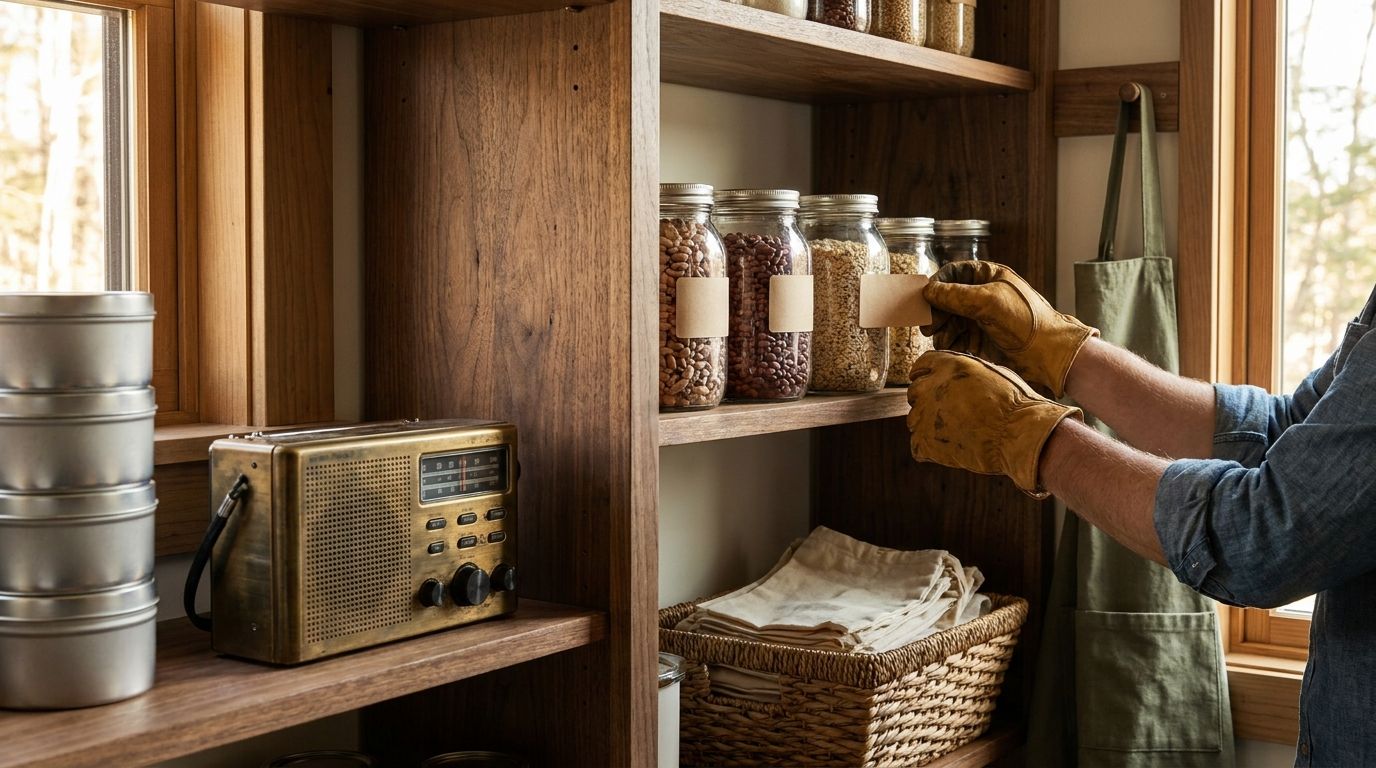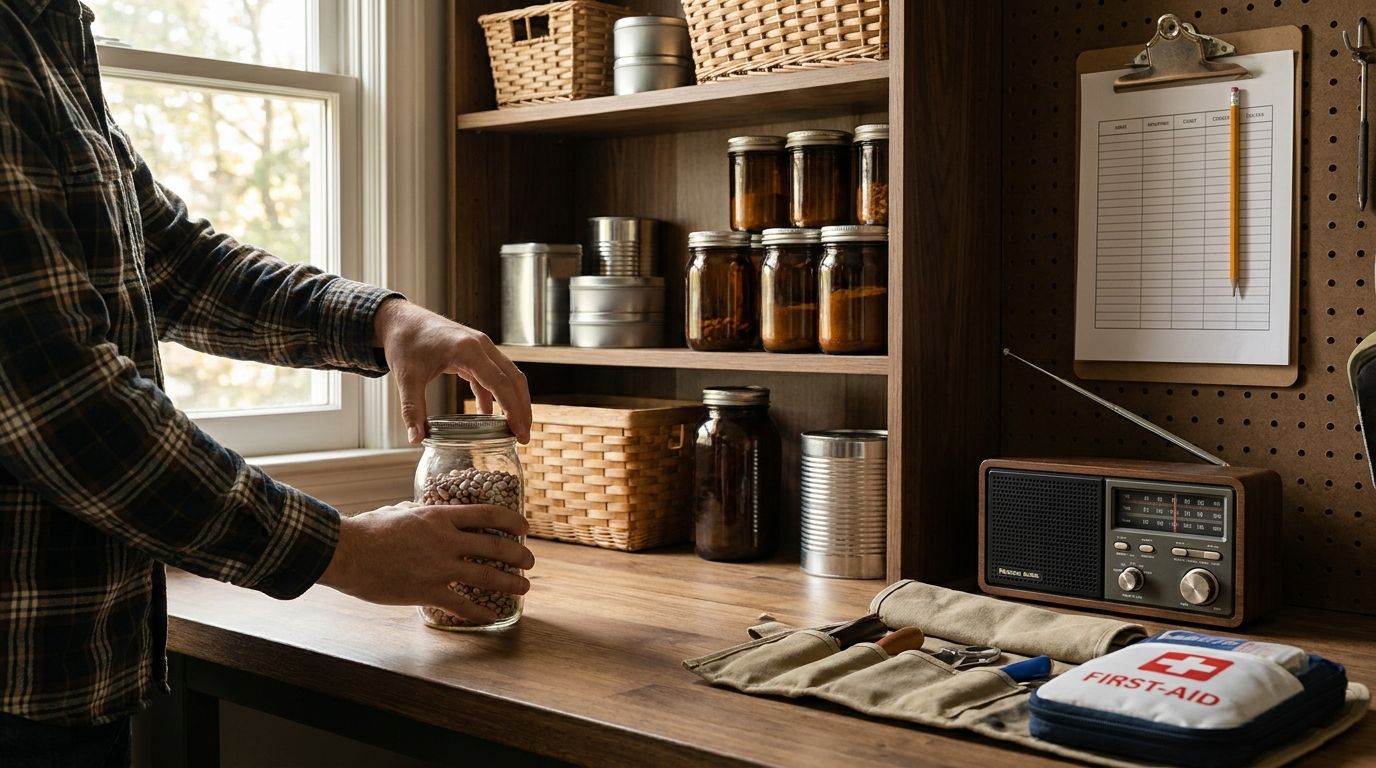
How to create a preparedness calendar: stay ahead of the game
A preparedness calendar can streamline your survival planning and ensure you stay organized. Here’s how to create one effectively.
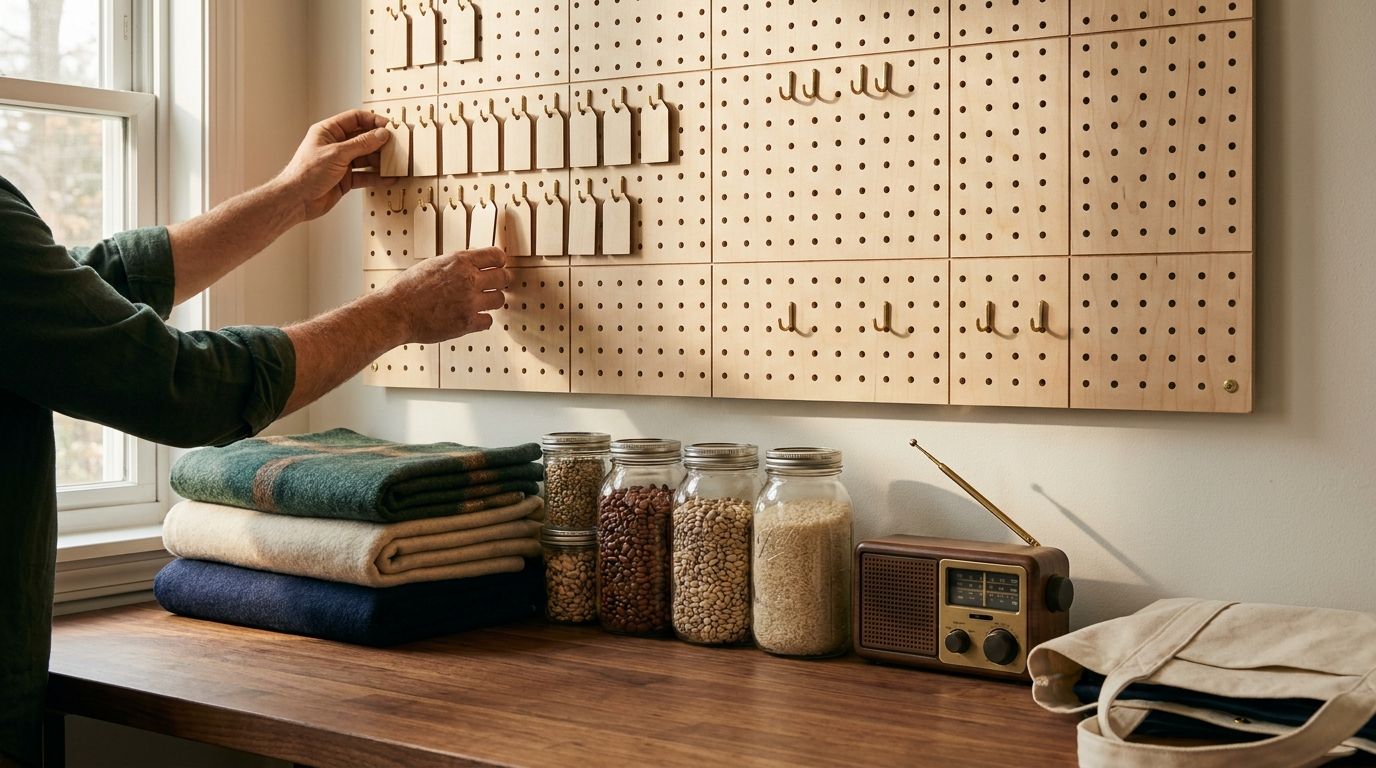
You're standing in your living room, surrounded by gear that needs sorting. You know you should run through your inventory, but the sheer scope of it feels like a wall. A preparedness calendar cuts through that. It gives your survival planning a backbone - regular checks, seasonal planning, and a clear picture of where your supplies actually stand.
Having a plan isn't a luxury anymore. It's the difference between a controlled response and a scramble. A preparedness calendar keeps essential tasks from slipping through the cracks and, honestly, makes the whole thing feel less like a burden.
Understanding the importance of a preparedness calendar
A preparedness calendar isn't just a schedule - it's a discipline. Most preppers get good at acquiring supplies but lousy at monitoring them. A calendar builds the habit of checking inventory, rotating stock, and anticipating what each season will demand before it arrives.
Take Sam Wills, a prepper out of Colorado. Once he started working from a preparedness calendar, the last-minute store runs dried up almost completely. When a sudden snowstorm hit his town and neighbors were scrambling, Sam had checked his supplies the week before. Canned food, extra blankets, heating fuel - all accounted for. He didn't feel anxious. He felt ready.
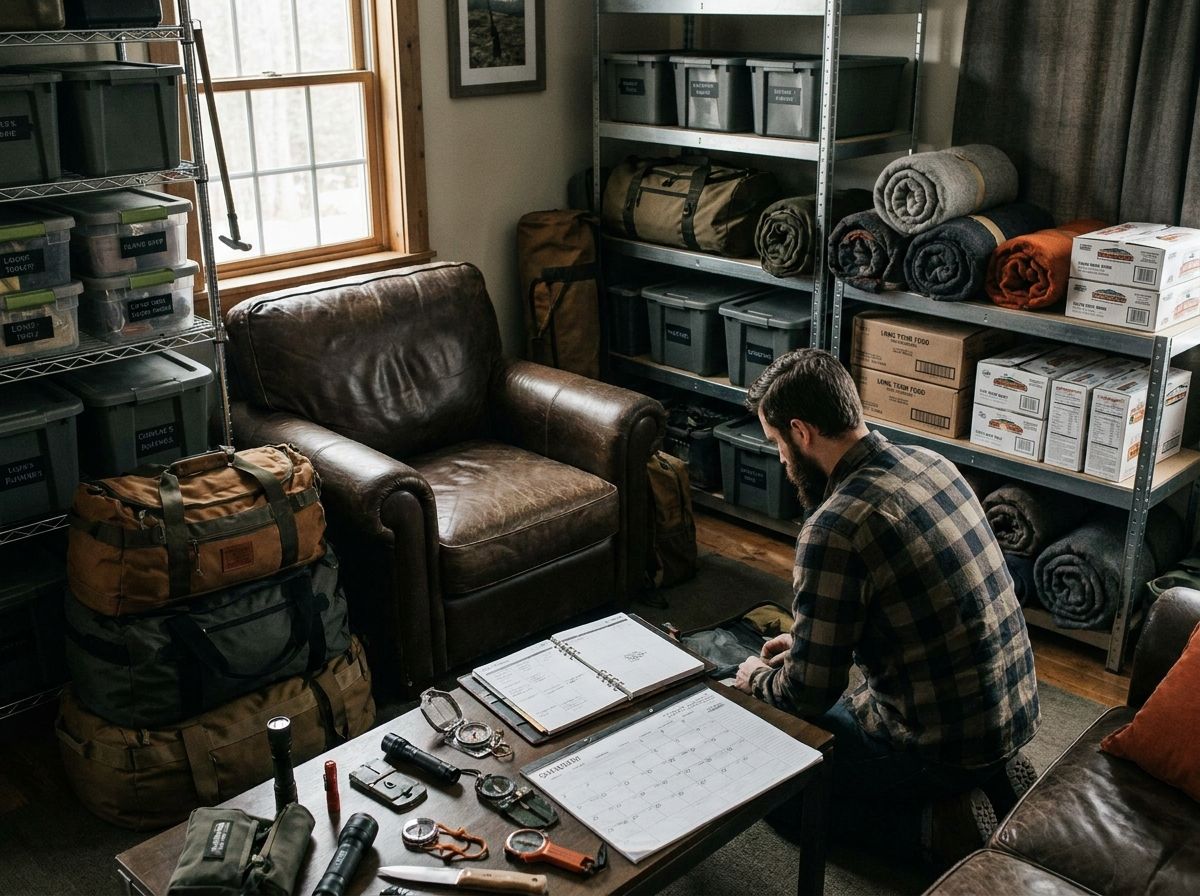
Setting up your preparedness calendar
Start by identifying the key dates and recurring tasks that your setup actually requires. A few things to work through:
- Choose your platform: Google Calendar, a spreadsheet, a physical planner on the kitchen wall - pick whatever you'll actually use. Tech-savvy preppers often prefer digital for the automated reminders. Others want something tangible they can see every morning.
- Identify crucial tasks: Go specific. Don't write "check food supplies." Write "check canned goods for expiration dates" and "rotate dry goods stock." Vague tasks get skipped; concrete ones get done.
- Establish a timeline: Monthly checks make sense for shorter shelf-life items. Quarterly works for gear that's more stable. Be honest about your schedule - a bi-monthly check you actually complete beats a monthly one you keep pushing back.
Once the structure is in place, add reminders. Sam found that phone notifications turned what felt like a looming chore into a quick, routine task. Same job, completely different psychological weight.
Incorporating seasonal considerations
Every season reshapes what you need. Winter means heating supplies and cold-weather gear. Summer means water reserves and anything cooling-related. A good calendar anticipates these shifts weeks before they hit.
Say it's mid-October. Your winter prep tasks might look like this:
- Late September: Inspect heating equipment, check fuel levels, order what's low.
- Mid-October: Pull out winter clothing and gear - try it on, check for wear, replace what doesn't hold up.
- November: Walk through your emergency plans before storm season peaks. Run a family drill so the response is muscle memory, not improvised chaos.
Think locally too. If you're in hurricane country, your water and non-perishable food checks need to ramp up well before June. Regional risks belong on the calendar just as much as seasonal ones.
Listing essential supplies and tasks
Knowing when to check only works if you know what to check. A solid baseline:
- Food and water: Non-perishables - canned goods, dried fruit, grains. At minimum, one gallon of water per person per day for three days. More if your setup allows.
- First-aid supplies: Go through the kit regularly. Band-aids disappear. Antiseptic wipes expire. Pain relievers get used and not replaced. Make a specific checklist so nothing gets missed.
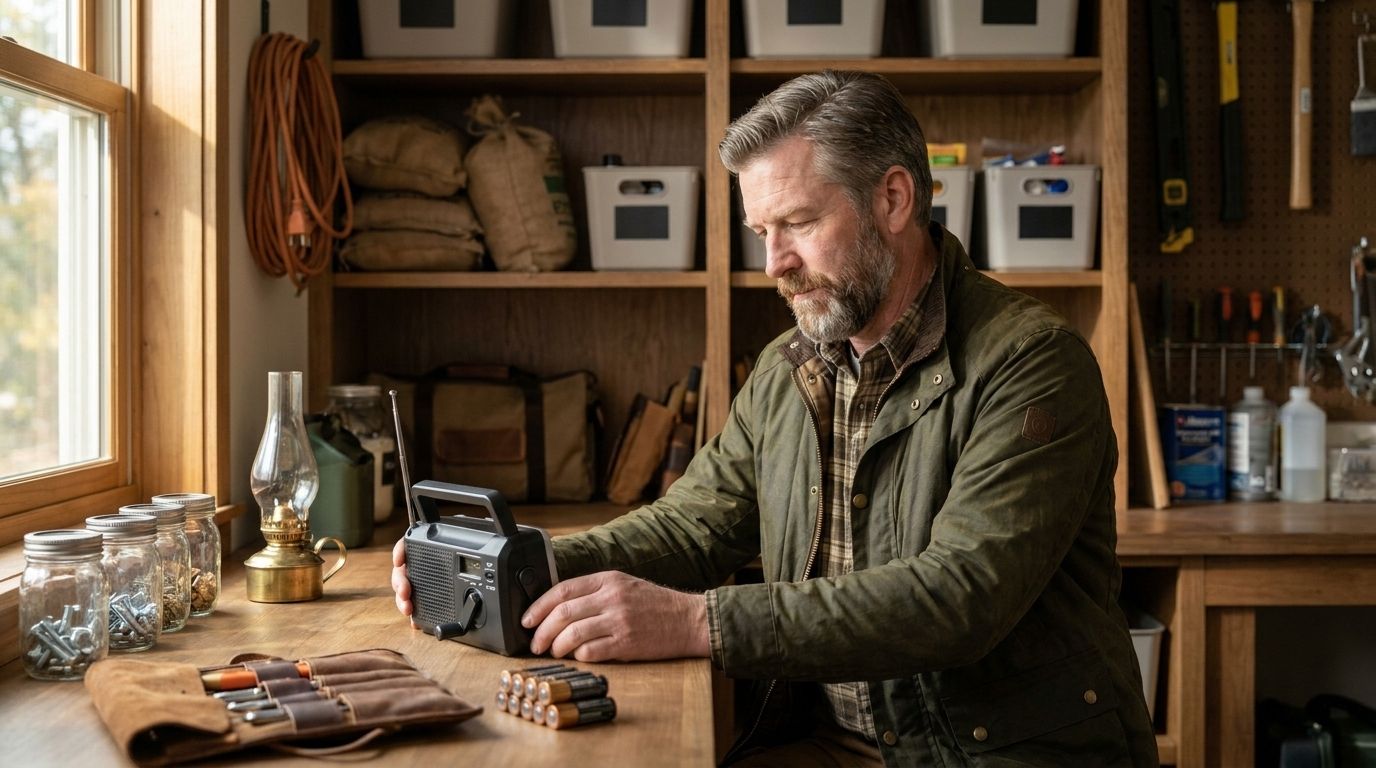
- Tools and equipment: Flashlights, radios, portable chargers - verify they work and that batteries are fresh. Dead batteries in a crisis aren't a minor inconvenience.
Sam found this out the hard way. During a tornado warning, he grabbed his flashlight and got nothing. After that, monthly battery checks went straight onto the calendar. A small fix that closed a real gap.
Reviewing and updating your calendar
Your calendar should evolve. Every few months, sit down and ask what's working and what isn't. Maybe you're running low on batteries every six weeks because power outages in your area are more frequent than you'd planned for - so the quarterly battery check becomes a bi-monthly one. Or you move somewhere with milder winters and the heavy cold-weather gear checks become less urgent.
Sam reviews his calendar every three months. He's dropped tasks that stopped making sense and added new ones as his situation changed. That flexibility is the point. A rigid calendar you ignore is worth nothing.
Engaging the family in preparedness planning
Getting everyone involved makes the workload lighter and the whole system more resilient. Hold a family meeting, lay out the tasks, and assign ownership. Your teenager handles the first-aid kit check. Your partner owns food inventory. You cover tools and gear. (It also means no single person carries the mental load alone, which is genuinely underrated.)
Sam's family runs exactly this way. His wife tracks food supplies, his kids keep the flashlight batteries charged. It's low-drama, high-accountability, and everyone knows what they're responsible for.
Run drills too. A fire response, a severe weather scenario - whatever fits your local risks. Practice makes the response automatic, and it opens up real conversations about safety that don't feel forced.
Utilizing technology to enhance your preparedness calendar
The right app can take a lot of friction out of the process. A few worth looking at:
- Prepper's Inventory: Catalogs your supplies and sets check reminders. Clean interface, easy to maintain.
- Emergency Kit Checklist: Lets you build customized lists by emergency type and local risk profile.
- Todoist: A general task manager, but highly adaptable for recurring preparedness tasks with deadlines attached.
Sam uses an app that syncs across his whole family's phones - everyone can see what's been done and what's still open. That shared visibility keeps everyone accountable without requiring a weekly status meeting.
FAQ
What is a preparedness calendar?
A preparedness calendar is a structured schedule that outlines when to check, replenish, and organize your emergency supplies. It helps ensure you stay on top of your preparedness tasks.
How often should I review my preparedness calendar?
It's a good idea to review your preparedness calendar every few months. This allows you to make adjustments based on changing needs or experiences, ensuring that your preparation remains relevant.
What supplies should I prioritize on my preparedness calendar?
Focus on essential supplies like food, water, first-aid kits, batteries, and any specific items needed for your environment, like winter gear or storm preparedness kits. Always consider your local risks and seasonal changes when prioritizing supplies.
Can I use technology for my preparedness calendar?
Absolutely. Many apps can help manage your supplies and remind you of important tasks, making it easier to stay organized. Choose tools that fit your lifestyle and preferences for maximum effectiveness.
How can I involve my family in preparedness planning?
Schedule family meetings to discuss preparedness tasks and assign specific roles to each member. This makes it a collaborative effort and helps everyone feel included and responsible for family safety.
What should I do if my preparedness calendar becomes overwhelming?
Simplify it. Focus on the most critical tasks first and layer in additional responsibilities gradually. The goal is a system that reduces stress, not one that adds to it.
How can I ensure my preparedness calendar stays relevant?
Review it regularly, especially after significant life changes - a move, a new baby, a job shift. Adjust tasks and priorities based on where you actually are, not where you were six months ago.
A preparedness calendar takes some upfront effort to build, but it pays back in clarity and control. Start small - write down your most critical tasks and the dates attached to them. The structure makes preparation feel manageable rather than endless. Don't wait until something forces your hand. Build the calendar now, and your future self will have a lot less to scramble for.
Want this handled automatically? See the Mainstay membership.
Subscribe to comment
Join the Mainstay newsletter to leave a comment — and get new field notes in your inbox.
Get new field notes in your inbox
Practical, calm preparedness — one useful note at a time.