How to shut off your home’s water, gas, and electricity before an emergency
Learn how to shut off home utilities calmly, label each control, and give your household a simple plan it can follow under pressure.
June Wills was halfway through rinsing dinner plates when Rosa called from the hallway. Water was spreading across the floor near the utility closet, and nobody in the house could remember which valve controlled the whole home. Knowing how to shut off home utilities means finding and labeling the controls before a leak, fire, storm, or damaged line turns a small problem into a household scramble.
The answer is straightforward: locate the main water shutoff, the gas meter valve, and the electrical service panel; learn how each control works; then record the locations where everyone can find them. You do not need a complicated system. You need a calm sequence that still makes sense when the floor is wet, the lights are out, or someone is asking you what to do.
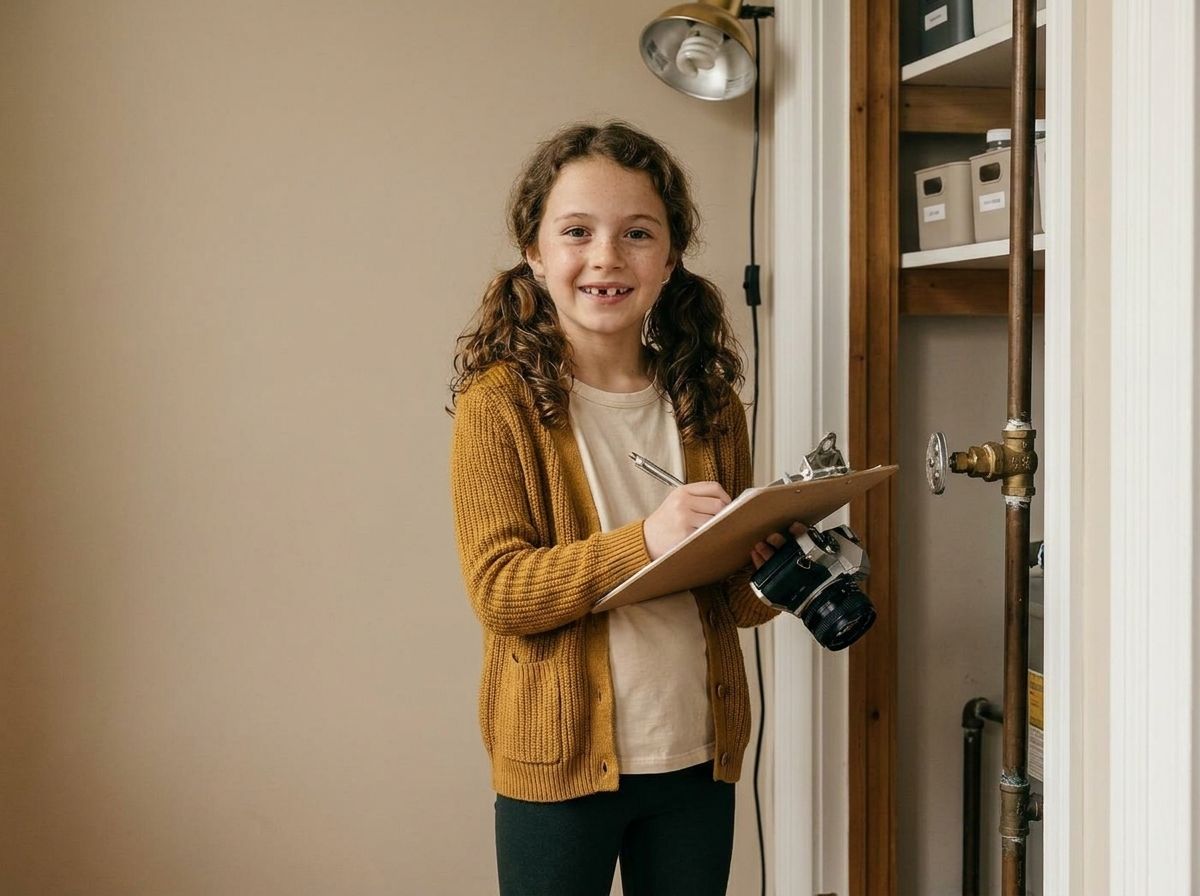
That is the part people skip. They know the home has a water valve somewhere. They know the electrical panel is probably near the garage. They assume the gas meter is obvious. Then the toilet supply line breaks at 2 AM, and "somewhere near the garage" becomes a terrible search strategy.
This home utility shutoff guide is about turning vague knowledge into a working household skill. Walk the route on a quiet afternoon, take a few notes, and give yourself a much easier job the next time something goes sideways.
Start with a utility walk-through
Begin at the front door and move through the home without touching anything yet. Look for the points where each utility enters the property, or where the home distributes it. You are building a map, not testing your courage.
For each utility, record:
- What the shutoff looks like
- Where it is located
- What tool or access key it needs
- Whether the control affects the whole home or only one fixture
- What should happen after you operate it
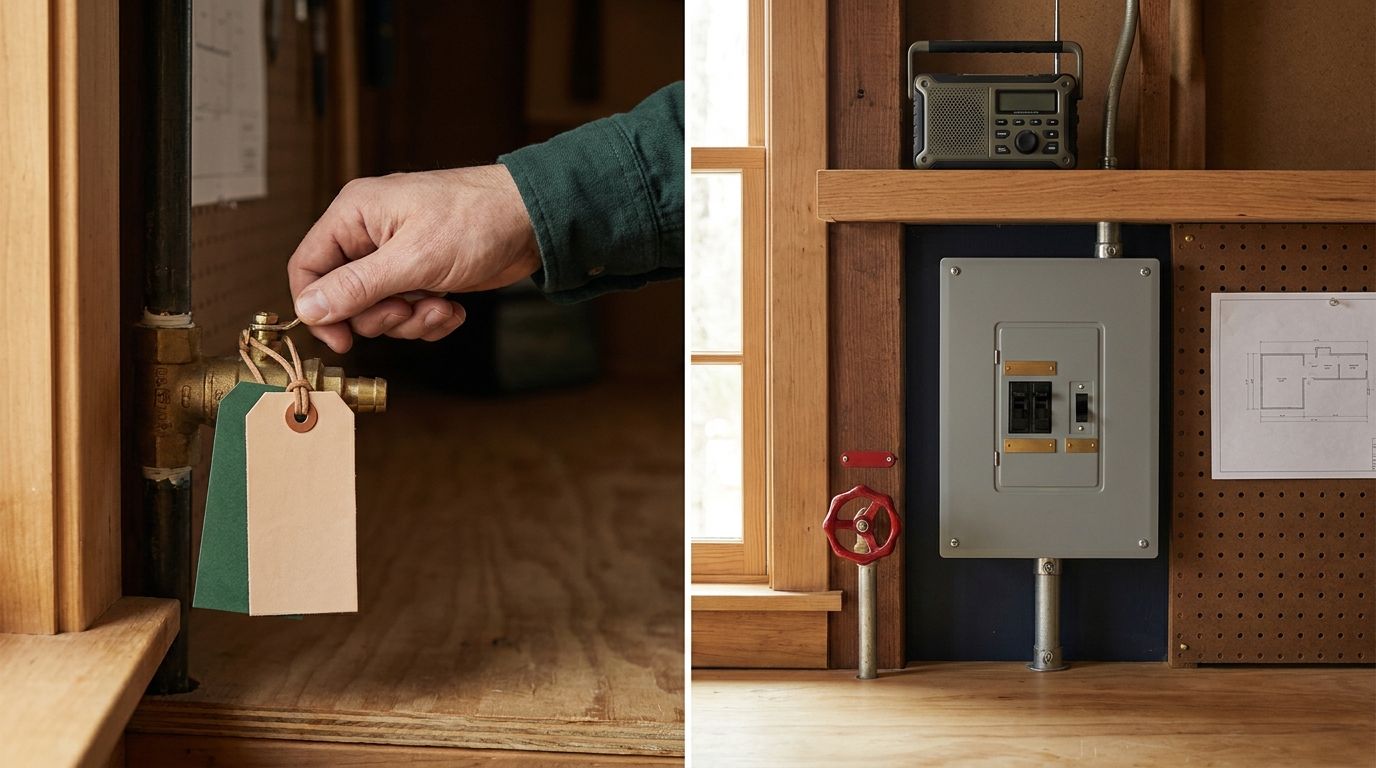
Take a clear photo of each control. Include enough of the surrounding wall, cabinet, or meter area that you can recognize the location later. A close-up of an anonymous metal handle is less helpful than you might expect (I have taken those photos, and they looked like evidence from a plumbing documentary nobody asked to watch).
Write the location in plain language. "Main water valve behind the basement storage shelves" works better than "water shutoff." "Gas meter on the exterior wall beside the driveway" is more useful than "gas control." If a locked gate or overgrown shrub blocks access, solve that now.
Ask your water, gas, and electric providers whether they have location guidance for your property. A utility provider, landlord, property manager, or licensed professional can help when the setup is unusual. Older homes often have additions, converted garages, detached structures, or controls that do not match the layout you expected.
Keep the record in your household profile, your document vault, or a printed home reference sheet. Mainstay's inventory and dashboard can hold the location notes alongside the tools and supplies connected to the plan. The goal is not to admire a digital checklist. The goal is to help someone find the right control while you are away.
How to shut off home utilities, one system at a time
Water
If you are asking where your water shutoff valve is, start by checking the place where the main water line enters the home. Common locations include a basement, crawl space, garage, utility room, or exterior wall. In warmer climates, the control may be near the front of the property or close to the water meter itself.
The main shutoff controls water to the entire home. Fixture valves under sinks, behind toilets, and near appliances control only one line. Learn both kinds. A local valve may stop a small leak while leaving the rest of the household's water running normally.
To test the main shutoff during a calm walk-through:
- Tell everyone what you are testing
- Open a nearby faucet so you can notice the change
- Turn the main valve slowly until it closes
- Watch for the water flow to stop
- Return the valve to its normal position if the test is only for identification
Do not force a valve that is stuck, corroded, or hard to reach. A broken valve creates its own plumbing problem. Ask a plumber to inspect it, and make sure the correct tool is stored where you can grab it without digging through seasonal decorations.
If a pipe is actively leaking, move people away from the water and protect electrical equipment if you can do so without stepping into standing water. Shut the main valve if it is safe to reach, then contact a plumber or the appropriate property support. If the leak is near electrical equipment, leave the area and call for qualified help.
Gas
The gas meter is often outside, though the exact location depends on the home and local utility setup. Look for a meter cabinet or exposed meter assembly along an exterior wall, near a driveway, or near the edge of the property. Your gas provider can confirm the location and explain the approved shutoff procedure.
If you smell gas, hear a hissing sound, or see damage near a gas line, leave the home and move away from the area. Do not operate light switches, appliances, phones, or vehicles near the suspected leak. Call the gas utility or emergency services from a safe location.
The main gas shutoff is commonly operated with a wrench, but the utility provider's instructions are the authority for your service. Keep the approved tool accessible, not buried inside the home beside the appliance manuals. If you are unsure whether the valve is open or closed, do not experiment during a suspected leak.
Knowing how to turn off gas in an urgent situation does not mean you should rush toward a damaged meter. It means you know where the control is, understand the local guidance, and can tell responders what you found. Once the gas is shut off, do not turn it back on yourself unless the utility provider or a qualified professional gives you clear direction.
Gas appliances also have local controls. Those can help isolate a single appliance when the situation is limited to that appliance, but they do not replace knowing the location of the main service shutoff. Add both locations to your home reference sheet.
Electricity
Find the main electrical service panel. It may be inside the home, in a garage, on an exterior wall, or in another service area. Some homes have a main disconnect near the meter and a separate panel inside. Your electric provider or a licensed electrician can help you identify which control serves the entire home.
The main breaker or disconnect cuts power to the home. Individual breakers control circuits, such as kitchen outlets, bedrooms, or outdoor equipment. Learn the difference before you need it.
During your walk-through, label the panel clearly and keep the labels readable. A useful panel directory identifies the room or equipment served by each breaker. If a breaker trips repeatedly, leave it off and arrange for qualified help rather than resetting it over and over.
If there is smoke, fire, sparking, damaged wiring, or water near electrical equipment, leave the area. Do not touch a wet panel or approach downed power lines. Call emergency services or the electric utility from a safe location, and follow their instructions.
If you are shutting off electricity before a known hazard, use dry hands and stand on a dry surface. Do not use a metal object to reach a control. The panel cover and wiring should stay closed. This is a shutoff task, not an invitation to investigate the inside of the panel.
Match the shutoff to the problem
The right control depends on what is happening. A leaking dishwasher hose usually calls for the appliance valve, or the main water valve if the local control is inaccessible. A strong gas odor calls for evacuation and a call from a safe location, not a search for the meter while everyone waits inside.
Electrical trouble requires the same judgment. A sparking outlet may need the circuit breaker shut off if you can reach the panel safely. Smoke or fire changes the priority. Leave first, then call for help.
Use this decision guide as a starting point:
- Water leak: isolate the fixture or shut off the main water supply if needed
- Suspected gas leak: leave, avoid ignition sources, and contact the gas utility or emergency services
- Electrical damage: stay away from water and damaged wiring, then contact qualified help
- Fire: leave the home and call emergency services
- Storm damage: avoid downed lines and damaged utility equipment
A household plan should state who may operate each control and when to stop. You might be comfortable handling a clean water shutoff but not a damaged gas meter. That is not a gap to hide. It is useful information to write down.
Rosa can keep the printed utility map near the entryway. June can store the same information in the household profile. Sam can know where the flashlight and shutoff tool live. Nobody needs a speech. Everyone needs a location, a boundary, and a next call.
Build a plan the household can actually use
A shutoff plan works best when it fits real behavior. Put the printed instructions somewhere accessible during a power outage. Keep a copy in the document vault, and share the locations with the adults who may be home alone.
Your plan should include:
- The location of the main water shutoff
- The location of the gas meter and main valve
- The location of the electrical main disconnect or panel
- A note about tools, gates, locks, or access problems
- Utility provider contact details
- The name of the person to call for plumbing, electrical, or gas service
- A clear instruction not to approach fire, smoke, gas odor, damaged wiring, or downed lines
Practice the route without creating a live hazard. Walk to the water valve. Point out the gas meter from a safe distance. Open the electrical panel door only if the panel is dry and undamaged, then show the main control and the circuit directory. You are building recognition, not staging a dramatic drill.
Review the plan after renovations, appliance changes, a move, or utility work. A new water heater can change what you see in the utility room. A finished basement can hide a valve that used to be obvious. A panel label from the previous owner may describe a room that no longer exists in the same form.
Add the plan to your seasonal field skills check. Look at the access path, verify that the tool is still where it belongs, and replace any label that has peeled or faded. If the main control is difficult to operate, schedule professional service before the issue becomes urgent.
If you keep emergency water supplies and need to disinfect water, follow the EPA's product-specific guidance. The EPA says, "Use the table below as a guide to decide the amount of bleach you should add to the water, for example, 8 drops of 6% bleach, or 6 drops of 8.25% bleach, to each gallon of water." The EPA also says, "Double the amount of bleach if the water is cloudy, colored, or very cold." Use the product label and the EPA guidance as the authority, and never mix bleach with other cleaners.
That water detail belongs in the same household plan because utility shutoffs and water safety often arrive together. A broken line, local contamination, or service interruption can leave you dealing with both the source of the problem and the question of what water remains usable.
With Mainstay's field skills library, you can keep the shutoff instructions beside the rest of your household know-how instead of relying on memory. The point is a working reference that helps you act steadily, even when the situation itself is anything but steady.
FAQ
Where is my water shutoff valve?
Look where the main water line enters the home, such as a basement, crawl space, garage, utility room, or exterior wall. If you cannot identify it, ask your water provider, landlord, property manager, or a licensed plumber to confirm the location.
How do I turn off gas in an emergency?
If you smell gas, hear hissing, or see damage, leave the home and move to a safe location before calling the gas utility or emergency services. Learn the main valve's location and approved procedure in advance, but do not approach a suspected leak or turn the gas back on without direction from the utility provider or a qualified professional.
Should I shut off electricity during a fire or flood?
Leave the area when there is fire, smoke, standing water near electrical equipment, damaged wiring, or a downed line. Only operate the electrical main when the panel and surrounding area are dry, intact, and safe to reach. Otherwise, wait for emergency responders or a qualified electrician.
What should I write in a home emergency shutoff guide?
Record the location of each main control, the tools needed, access problems, utility contact details, and the situations that require evacuation instead of hands-on action. Keep the guide in a printed location and in your household's document vault so another adult can use it without asking you where everything is.
You do not have to memorize your whole utility system. Walk the route, label the controls, and write down the limits of what you will handle yourself. Then show June, Rosa, Sam, Theo, and any other adult in the household where the plan lives. That small bit of shared knowledge can turn a frantic question into a clear next step, which is exactly what a good household system should do.
Where this comes from
- EPA - Emergency Disinfection of Drinking Water
Want this handled automatically? See the Mainstay membership.
Subscribe to comment
Join the Mainstay newsletter to leave a comment — and get new field notes in your inbox.
Get new field notes in your inbox
Practical, calm preparedness — one useful note at a time.