No-cook emergency meals you will actually eat
Build a 72 hour food supply around familiar, ready-to-eat meals your household can open, assemble, and enjoy without a stove.
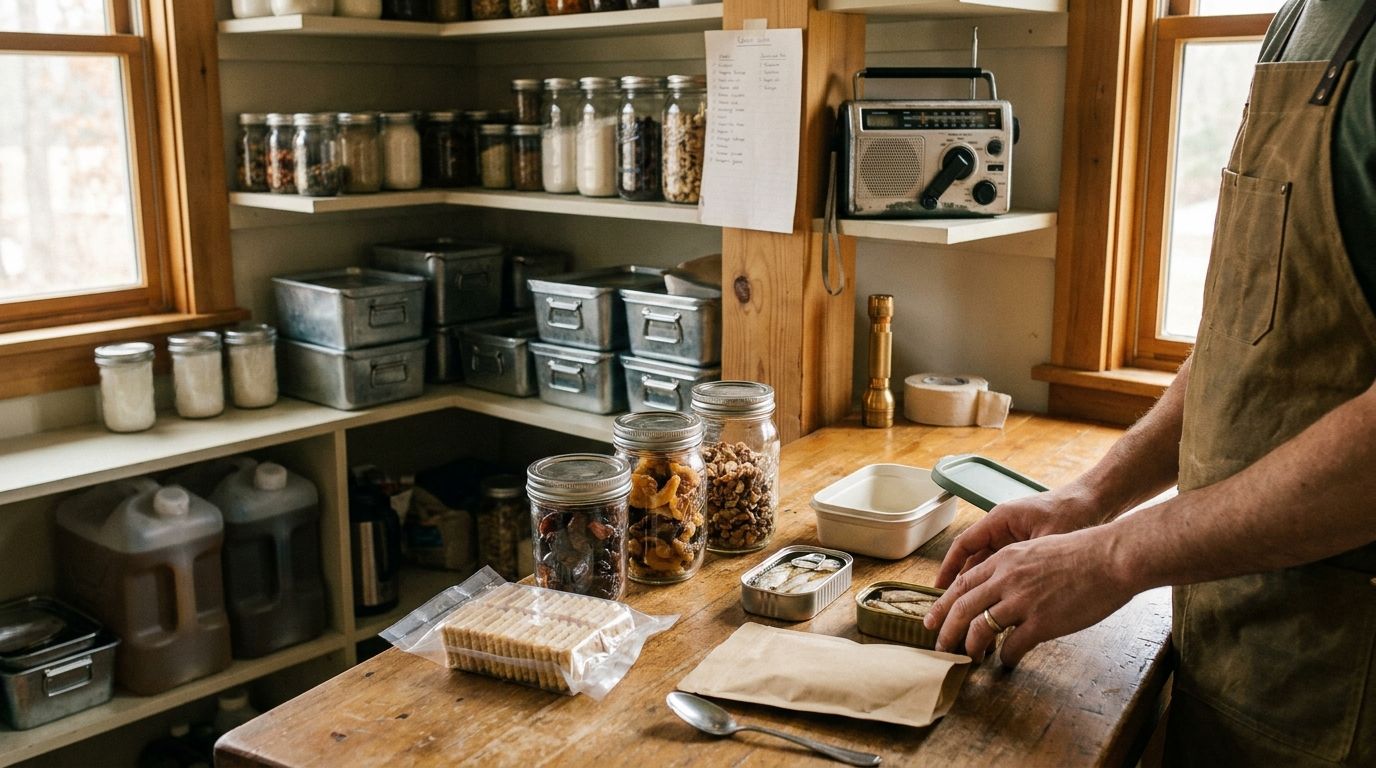
At 6:18 on a January evening, June Wills opened the pantry after the power had been out for most of the day. She found crackers, peanut butter, canned beans, and a box of protein bars. Technically, there was food. Practically, dinner looked like a dare.
The best no-cook emergency meals use familiar foods, need little or no water, and can be eaten with tools you already keep at home. A useful 72 hour food supply is not a pile of survival products. It is a short meal plan your household will recognize, tolerate, and actually reach for when the kitchen is dark.
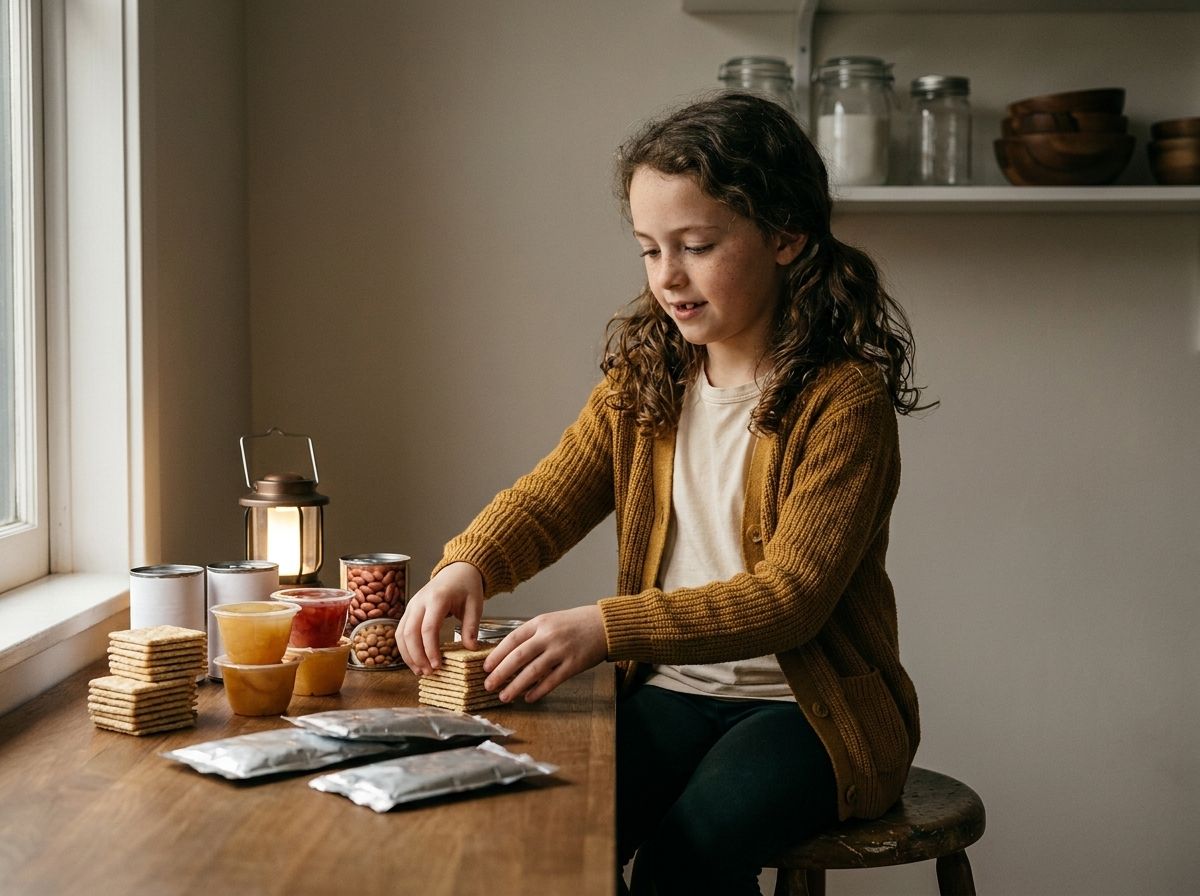
June did not need a clever recipe that night. She needed food that required no heat, no can opener acrobatics, and no argument about whether anyone liked it. That is the part people often skip. Calories matter, but so do texture, appetite, allergies, cleanup, and the particular way a tired household gets irritable when dinner turns into a group project.
Start with meals, not products
A shelf full of individual items can look organized while still leaving you without a meal. Tuna packets, crackers, dried fruit, and shelf-stable milk may each have a place, but you need to know how they work together before the lights go out.
Think in meal units. One meal unit is a simple combination that gives one person enough food to feel like they ate, not merely grazed beside a storage bin. Adjust the amount for age, activity, medical needs, and appetite.
A no-cook meal unit might include:
- Peanut butter or sunflower butter with crackers, a fruit cup, and shelf-stable milk
- Tuna or chicken packets with tortillas, relish packets, and olives
- Canned beans with salsa, corn, tortilla chips, and a ready-to-eat rice pouch
- Shelf-stable cheese, summer sausage, crackers, dried fruit, and a drink
These combinations are not fancy. That is the point. Food that is plain and dependable usually beats food that requires a new skill, a special utensil, or a heroic attitude at 9 p.m.
Write down six to eight meal units your household already eats in ordinary life. Include breakfast, lunch, dinner, and snacks. Then test at least two of them on a normal weekend. If the meal leaves everyone hunting for something else, it needs work.
What makes a no-cook meal useful?
A useful meal has a low number of failure points. You can identify those points before storing anything.
Check each meal for:
- No stove, oven, microwave, or grill
- Little water use, especially if water access is limited
- Packaging someone can open without a sharp tool
- Enough protein, fat, and carbohydrates to keep hunger from returning in an hour
- A flavor and texture your household accepts on an ordinary day
Some canned foods are fine cold, but not all of them are pleasant that way. Canned green beans may sit happily beside a sandwich. Canned soup is technically safe cold, but it can be a rough experience for a household that expects hot food. You are allowed to leave it out of a no-cook plan.
With Mainstay's inventory and household profile, you can record the foods your household already accepts, note allergies, and build the food plan around actual preferences instead of wishful shopping. A handwritten list works too. The method matters more than the app.
Build a 72 hour food supply around real constraints
The phrase 72 hour food supply sounds precise, but three days of food looks different for every household. A physically active adult needs more food than a small child. Someone with diabetes, food allergies, swallowing difficulties, or a medication schedule may need specific choices and specific timing.
Begin with the people and pets in the home. Scout, for example, needs food that fits his regular diet, not a random pouch pulled from a camping aisle. Keep pet food separate from human food and rotate both on the same schedule.
For each person, note:
- Foods they reliably eat
- Foods they cannot eat or should limit
- Drinks they will accept without refrigeration
- Utensils, can openers, or packaging aids they need
- A rough daily calorie target from their normal routine
You do not need to chase a perfect number. A practical starting point is three simple eating periods and one or two snacks per day, then add extra food for people who work outside, exercise heavily, or become genuinely miserable when hungry. Your household knows its own patterns better than a generic checklist does.
Food without cooking still needs water. Tortillas, crackers, nut butter, canned fruit, and ready-to-eat pouches can reduce water use, while dehydrated meals increase it sharply. If your food plan depends on adding two cups of water to every meal, count that water in the household supply. Otherwise your menu is solving one problem by quietly creating another.
A solid 72 hour food supply also accounts for the conditions around it. A summer power outage in a hot apartment is not the same as a winter storm in a house with a cool basement. Put food where you can reach it without moving half the pantry, and keep a manual can opener with the food rather than trusting the one drawer where tools go to disappear.
Plan for appetite, not just hunger
Stress changes what tastes good. Some people want salty food. Some lose their appetite entirely. Children may reject unfamiliar textures at the exact moment you most want cooperation, and adults are not immune to this either.
June once bought a case of a highly praised meal replacement drink and discovered that everyone in the house treated it like a punishment. The case sat on the shelf for two years. Nobody touched it.
Use a preference test before buying in bulk. Put several possible foods on the counter and ask each person to mark them as "yes," "maybe," or "not happening." The last category is useful data, not a character flaw.
Keep a small note with the meal plan:
- Preferred breakfast foods
- Reliable comfort foods
- Foods that cause stomach trouble
- Foods that need extra seasoning or a topping
That note can save money. It can also prevent the familiar household argument where someone says, "We have food," and someone else replies, "Not food I can eat." Both may be telling the truth.
Choose foods that hold up in storage
Emergency food without cooking should be shelf-stable, but shelf-stable does not mean immortal. Dates still need attention. Packages still split. Heat still damages food quality, especially chocolate, oils, and some drink powders.
Use foods with dates you can see quickly. Store newer items behind older ones. Add a month and year to anything that lacks a clear date. You are not building a museum display. You are building a rotation that fits normal meals.
Good candidates include:
- Single-serve tuna, chicken, salmon, and bean packets
- Canned fruit, applesauce, vegetables, and beans
- Nut butter, seed butter, and shelf-stable cheese
- Crackers, tortillas, granola bars, dried fruit, and nuts
- Shelf-stable milk, electrolyte drinks, and familiar juice boxes
Inspect packaging during your regular household check. Discard cans that bulge, leak, or have deep rust around seams. Do not taste food from a damaged container to decide whether it is safe.
The USDA uses a two-hour rule for perishable food held above 40 degrees Fahrenheit, reduced to one hour when the temperature is above 90 degrees. That rule applies to items such as deli meat, cut fruit, and opened dairy. Shelf-stable food is a different category, but once you open it, handle leftovers as perishable food unless the label says otherwise.
This is where a no-cook plan helps. Open smaller portions, finish them at one meal, and avoid storing half a can of something in a warm room. If you do open a larger container, plan the rest of that food immediately. Do not leave it beside the flashlight and hope your future self has a better system.
Make the packaging part of the plan
A meal can fail before the first bite if the packaging is frustrating. Test the pull tabs. Test the drink boxes. Test the tear-open packets. Store scissors and a manual can opener in the same tote, even if most of the food does not need them.
Pack meal components together in labeled bags or bins. A label like "Day 1 lunch" is more useful than "miscellaneous food." If a person has an allergy, mark that clearly and keep their food protected from crumbs or cross-contact.
Include a few basic supplies:
- Disposable or washable bowls and spoons
- Napkins and hand-cleaning wipes
- Small trash bags
- Seasonings, hot sauce, or condiment packets
- A can opener, scissors, and a sturdy knife stored safely
You can keep cleanup modest without treating hygiene as optional. Wash hands when water is available. Use clean utensils. Seal food waste so it does not attract insects or create a smell problem in a warm room.
Turn stored food into meals people want
No-cook preparedness meals work best when they resemble normal food. You do not need a survival menu. You need familiar combinations with a little flexibility.
For breakfast, try shelf-stable milk with granola, peanut butter crackers with fruit, or a tortilla filled with nut butter and dried fruit. For lunch, use tuna packets with crackers, chicken salad made with a condiment packet, or beans with tortilla chips and salsa. For dinner, combine ready-to-eat rice with beans, canned vegetables, and seasoning, or put together a shelf-stable cheese and sausage plate with fruit on the side.
Plan modular meals. Keep a base, a protein, and a flavor item together so each person can assemble a version they will eat. One person picks beans and salsa. Another picks chicken and relish. Nobody has to pretend the household shares one perfect palate.
A small flavor kit can make a large difference:
- Salt, pepper, and hot sauce
- Mayonnaise, mustard, relish, or soy sauce packets
- Cinnamon, honey, or jam
- Pickles, olives, and shelf-stable salsa
Use caution with high-sodium foods if someone in the household has been told to limit sodium. Keep required medical foods and formula in the plan, and ask a clinician or pharmacist about storage and timing when medication depends on food.
The most useful test is a no-cook dinner at home. Turn off the appliances for one meal. Use only what you stored, plus the water and tools assigned to the kit. Notice what takes too long, what nobody touches, and what creates a surprising amount of trash.
Then fix the plan without embarrassment. Preparedness is allowed to be iterative. Your first menu is a draft, not a moral exam.
Make the plan easy to find and easy to share
Food is more useful when the household knows where it is and what to do with it. Store the menu with the food, not in a notebook that lives on a different floor. Put a printed copy in the food bin and keep a digital copy in your document vault if you use one.
Add the location of the food, the date of your last test, and the next rotation date. Mainstay's dashboard can bring inventory, household details, and the preparedness plan into one view, but a paper label on the bin is still worth keeping. Technology is helpful. Tape remains undefeated.
Share the plan with the people who may need to use it. June can walk Rosa and Sam through the meal bins on a calm afternoon, while Theo can learn where the can opener and wipes live before he ever needs them. The goal is not to assign a dramatic command structure. It is to make the next small action obvious.
A useful household food card can include:
- Which bin to open first
- Who needs a special meal or drink
- How much water the menu uses
- Where utensils and cleanup supplies are stored
- When the food should be rotated
Keep Scout's food and water instructions on the same card. If someone else is helping at the house, they should not have to search through cabinets trying to remember which food is for the dog.
Run the plan twice a year, and test a few components when you rotate them into ordinary meals. If a product has become unpopular, replace it. If the household changed, update the portions. If the meal created a mountain of wrappers, add a better waste setup.
FAQ
What are the best no-cook emergency meals?
The best meals use foods your household already eats and can combine without heat. Examples include nut butter with crackers and fruit, tuna with tortillas and relish, beans with chips and salsa, and shelf-stable cheese with crackers and dried fruit.
How much food belongs in a 72 hour food supply?
Plan three daily eating periods and one or two snacks for each person, then adjust for age, activity, medical needs, and appetite. Count drinks and pet food separately, and include the water needed for any food that requires rehydration.
Can canned food be eaten without cooking?
Many commercially canned foods are safe to eat cold when the container is intact and the food is labeled as ready to eat. Check the label, avoid damaged cans, and use clean utensils after opening. Refrigerate or discard leftovers according to food safety guidance.
How often should no-cook preparedness meals be tested?
Test a complete meal at home twice a year and check individual packages during regular inventory rotations. Replace foods the household refuses, packaging that is difficult to open, and items that no longer fit medical or dietary needs.
You do not have to build a perfect menu this weekend. Pick one meal your household already likes, buy enough components for a few servings, and eat it without using the stove. Write down what worked and what did not.
That small test is the beginning of a food plan with a real chance of helping. It respects your budget, your household's preferences, and the fact that a hard day is already asking enough of you. Food should make the next step easier, not become another problem waiting on the shelf.
Want this handled automatically? See the Mainstay membership.
Subscribe to comment
Join the Mainstay newsletter to leave a comment — and get new field notes in your inbox.
Get new field notes in your inbox
Practical, calm preparedness — one useful note at a time.