Power, Heat, and Comfort: Choosing a Backup Setup That Fits Your Home
A quiet plan for backup power and heating options that actually match your house, your habits, and your comfort needs.
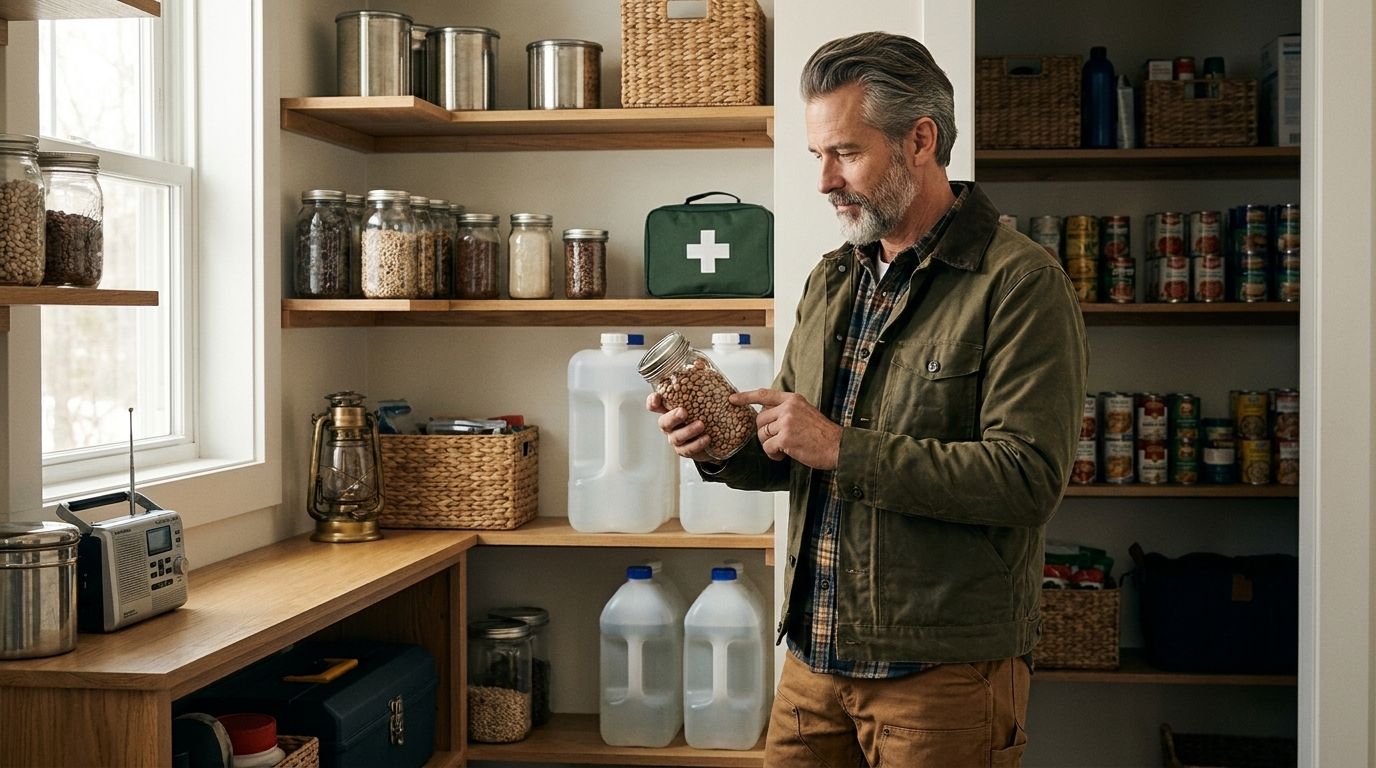
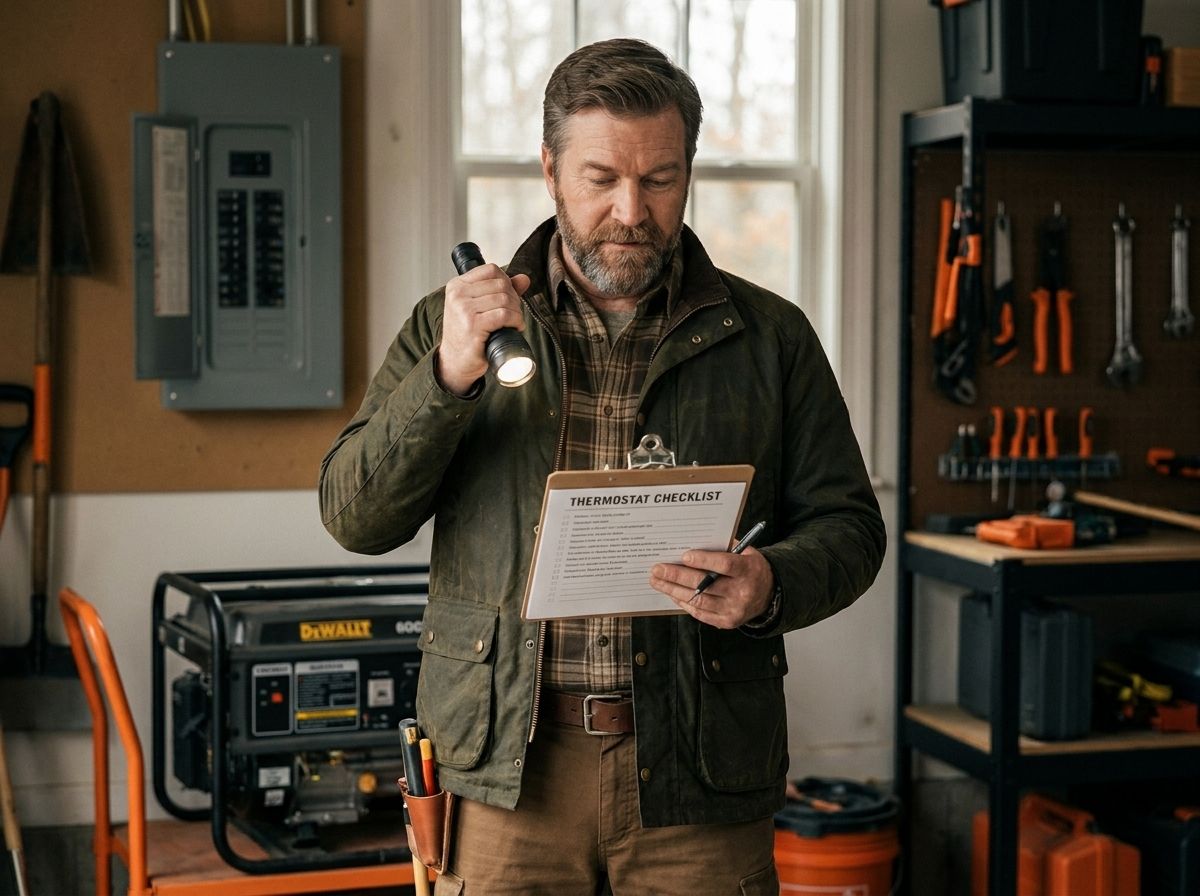
Sam Wills stands in the laundry room with a flashlight clenched in his teeth, squinting at a digital thermostat while the power flickers on and off. The kids are asleep. The fridge light blinks like it's trying to communicate in Morse code. Sam mutters that he should've checked the backup plan before winter, then does the one thing he always does: he turns it into a system.
This is what preparedness planning looks like in the real world. No heroic speech. Just choosing backup power, then heating options, then making sure your home stays livable when the grid doesn't.
The good news: you don't need a perfect setup. You need one that fits your home and your priorities.
Start with how your home actually uses power
Before you buy anything, map your load. Not the fantasy load. Your actual load.
Sam learned this the hard way when he tried to "power everything" at once. He had a clean plan in his head and an overloaded mess in his basement. The breaker tripped, the lights went dark again, and he spent the next hour figuring out what actually mattered. He didn't call it a failure. He called it data.
So you do the same thing, just cleaner.
Grab a notebook and walk your home like you're shutting it down for the night. Write down what you want to keep running during an outage.
Here are solid categories to consider:
- Essential refrigeration (fridge and sometimes freezer)
- Heating (furnace, boiler, heat pump, or space heating)
- Communications (router, phone charging, landline if you use one)
- Water (well pump, sump pump, water heater ignition if it's electric dependent)
- Comfort items (lights, fans for circulation, maybe a TV for sanity)
Now match each category to the reality of your system.
Ask yourself:
What powers your heating?
Some heating systems run on electricity only. Others need electricity just for the blower or ignition. Some run on gas or oil but still depend on a switch, a fan, or a control board.
That detail matters because it changes what "backup" actually means.
- If your furnace needs electricity for the blower, you need enough backup power for the fan and controls.
- If you have a heat pump, plan for higher electrical demand.
- If you rely on a wood stove or fireplace, you still need a plan for circulation and hot water comfort.
What powers your "must have" water?
If you have a well, the pump is often the first thing that catches people off guard. A sump pump is the second. Even a short outage can turn into a serious mess if those systems go idle.
What are your appliances really drawing?
Your refrigerator might be the obvious suspect, but the startup surge is usually what trips you up. Motors and compressors pull harder when they first kick on. That's why sizing backup power isn't just about the watts on a spec sheet. It's about how your home starts things.
If you don't want to guess, check:
- The nameplate on appliances (volts, amps, watts)
- The manual for your HVAC and any pumps
- Any energy monitoring apps you already use
You're building preparedness planning that's specific to your house. That specificity is what makes the plan feel calm instead of complicated.
Choose backup power that matches your heating options
Now you connect the dots. Backup power isn't an island. Your home power plan is only as useful as the heating options you can actually run during the outage.
Here's the simplest way to think about it: choose a comfort strategy first, then choose a power strategy.
Heating options and their power needs
You have a few common paths. The right one depends on your home layout and what you're already working with.
1) Whole-home backup power (generator + transfer switch)This approach supports more of your home, including HVAC and water systems. It's also the most "hands-off" once installed. Great when you want fewer decisions mid-crisis.
If you go this route, you still do load planning. Whole-home doesn't mean infinite. It means your system can handle your selected loads without tripping.
2) Partial backup power (generator or battery for essentials)This approach stays focused. You run the essentials you chose, and you let non-essentials go quiet.
That might mean:
- Fridge and freezer
- Furnace blower and controls
- Router and phone charging
- Lights you actually use
Batteries shine during short outages and for keeping critical electronics alive. They also buy you a calm window while you decide what to do next.
If your heating is power-hungry, batteries alone might not cover it. But they can still keep your furnace controls running, or keep your phone charged enough to coordinate. That's not nothing.
4) Off-grid heating approach (wood, pellets, propane, or other fuel-based heat)Sometimes your best heating options aren't tied to electricity the way HVAC is. A wood stove, pellet stove, or a properly ventilated fuel-based heater can provide real heat even when the power's out.
But comfort is more than temperature. You still need lighting, circulation, safe cooking, and a plan for hot water if that matters to you.
Size backup power around your biggest "real moment"
Most people oversize or undersize because they only think about steady power draw.
During an outage, the "real moment" is when your system starts.
A refrigerator cycles. A furnace blower ramps up. A well pump kicks. A sump pump fires when water rises. If your backup setup can't handle those surges, your essentials quit right when you need them most.
So size for:
- Running watts (what it needs while operating)
- Starting surge (what it needs when motors kick on)
- Duration (how long you need it to last)
For a practical starting point, list your likely loads and check manufacturer guidance for surge handling. If you're unsure, plan for conservative margins. Your goal isn't maximum efficiency. Your goal is dependable comfort.
Plan for comfort, not just survival
Comfort isn't fluff. Comfort is what helps you stay steady and make good decisions.
Think about:
- Lighting so you can move safely
- Warmth in the room you're actually using
- Temperature control for pets and plants if you keep them
- A way to keep water from freezing in vulnerable spots
Sam's comfort plan ended up being simple: keep the furnace controls and blower running, keep the fridge cold, and keep the family in one heated zone rather than trying to heat the whole house.
That one decision cut fuel use and cut stress. It made the backup setup feel like it belonged in his home instead of fighting it.
Build a backup setup workflow you can follow when you are tired
The best backup power plan is the one you can execute while you're annoyed, cold, and half-asleep.
Sam's biggest improvement wasn't a new gadget. It was a routine.
He made a "start sheet" and put it somewhere he could grab it in the dark. Three parts: what to turn off, what to turn on, and what to watch.
Preparedness planning with guardrails.
Create your "power and heat" start sheet
Write it on one page. Laminate it if you like. Tape it inside a cabinet or keep it with your backup equipment.
Your start sheet should include:
- The essentials you power (and which breakers or outlets they connect to)
- The order you start equipment
- A short list of what to monitor (noise, fuel level, battery level, thermostat response)
If you have heating options that don't require electricity, your sheet should still include a safety reminder. Ventilation matters. Clearances matter. Fuel storage matters.
Decide what you do during the first 30 minutes
Outages feel longer than they are. Your first decisions shape the rest of the night.
Pick your first 30-minute actions now, not later.
Here's a realistic framework:
- Confirm the outage and avoid flipping random switches
- Stabilize essentials (fridge, heating control, water pump if applicable)
- Move people to the heated zone you planned
- Check your backup setup status and log the time
That last part is underrated. If you track start times and fuel use, you learn how your system actually behaves in your specific home. Then your next plan gets easier to build.
Use Mainstay's adaptive learning system mindset for your inventory
When you manage supplies for backup power and heating, you need one thing: a clear view of what you have and when it needs replenishing.
With Mainstay's adaptive learning system, you can align your inventory with real usage patterns so you're not guessing whether you're ready. That matters most for items tied to comfort: fuel, filters, extension cords, batteries, and any heating fuel you store.
You're building energy independence one restock at a time.
Keep your backup plan resilient with fuel, maintenance, and redundancy
A plan that works once is nice. A plan that works over years is what you actually want.
Backup power fails for predictable reasons: fuel sits too long, batteries degrade, filters clog, cords rot, and people forget where things are stored.
Sam's "learned the hard way" list included one small detail that mattered a lot: a cord he'd used for years had a worn spot he never noticed until it sparked. He now treats cords like equipment, not furniture.
Fuel and runtime planning is part of home emergency power
If your setup uses fuel, plan for:
- Storage capacity
- Rotation schedule
- Access during storms
A fuel plan isn't just "how much." It's also "how fast you'll burn through it under your actual load." Your furnace blower and fridge cycling patterns shift consumption. So your runtime estimate should come from your own usage, not a guess from a brochure.
For generator fuel, many people store more than they think they need, then discover the first real outage uses less than expected because they kept the home in one heated zone. That's exactly why load planning and fuel planning belong together.
Maintenance keeps the lights on
You don't need to become a mechanic. You do need a schedule.
A simple maintenance rhythm can include:
- Checking battery health on your backup power system
- Inspecting cords and connections
- Testing startup periodically
- Replacing filters if your system uses them
If you have heating options that depend on airflow, check vents and intake areas too. Comfort requires not just fuel but correct airflow.
Build redundancy where it matters
Redundancy doesn't mean buying two of everything.
It means covering the most common failure points.
Consider redundancy in these areas:
- Backup lighting (headlamps and lanterns)
- Charging (a second method for phones)
- Heat safety (extra CO alarms where needed)
- Water safety (backup water storage and a way to keep it accessible)
A small redundancy can save you from a big spiral. When you can see, charge a phone, and keep your heat stable, you make better choices.
Store backup essentials where you can reach them
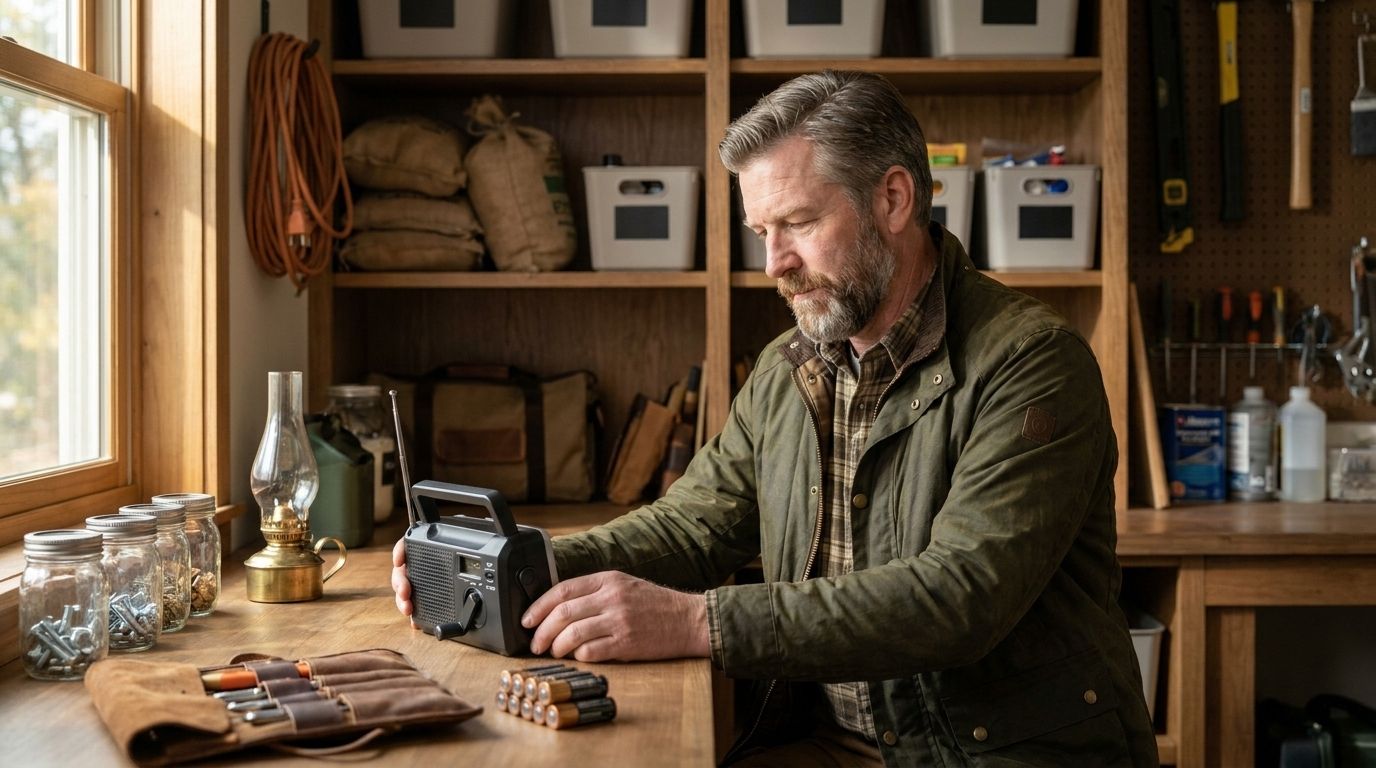
Sam stores his backup essentials in one labeled spot. Not scattered around the house like they're hiding from him.
When you can grab what you need quickly, you reduce mistakes. That's preparedness planning that respects how real humans actually behave under pressure.
FAQ
How do I choose the right backup power for my home size?
Start with the loads you truly want to run: heating controls, refrigeration, water pumps, and communications. Then size for both running watts and starting surge, since motors and compressors spike when they kick on. If you're unsure, plan conservatively and keep non-essentials off during outages.
What heating options work best during power outages?
Heating options that aren't dependent on electricity are often the most resilient, such as wood or pellet heating with proper safety practices. If your home uses HVAC, you can still plan for backup by powering the furnace blower and controls. The best choice is the one that matches your system and your comfort zone.
How much fuel should I store for emergency preparedness planning?
Use your expected runtime based on your load plan, then add a margin for real-world variability. The most useful approach is to track how your system actually consumes fuel during outages and update your storage target from there. If you have a well or sump pump, factor those in too.
Should I aim for whole-home backup or essentials-only?
Essentials-only is often easier to manage and maintain, and it keeps you focused on what matters most. Whole-home backup is more hands-off, but it still needs load planning so you don't overload the system. Choose based on how much decision-making you want to handle during an outage.
Takeaway
When the power goes out, you don't want to invent a plan in the moment. You want to follow one you already built.
Map your home's real loads. Match backup power to your heating options. Write a start sheet you can use while you're tired. Then maintain fuel and equipment so your setup stays reliable.
Sam's thermostat checklist didn't stop the outages. It made them less scary. Your plan can do the same.
Want this handled automatically? See the Mainstay membership.
Subscribe to comment
Join the Mainstay newsletter to leave a comment — and get new field notes in your inbox.
Get new field notes in your inbox
Practical, calm preparedness — one useful note at a time.