Seasonal rhythm: the 4-season checklist for food rotation (spring to winter, always on time)
A simple preparedness calendar that keeps pantry rotation on schedule. Track shelf-life tracking, rotate food, and match your supplies to each season without overbuying.
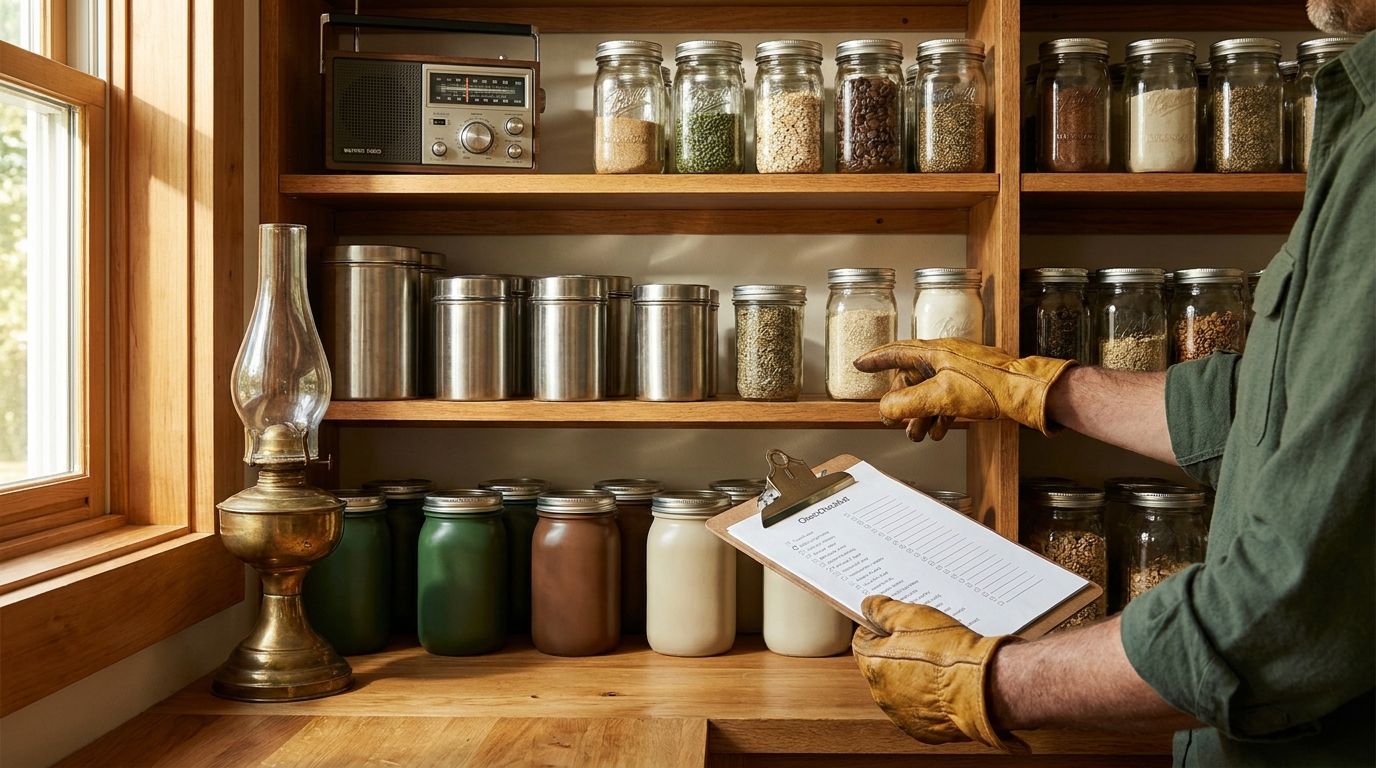
Rosa Wills pulls a box of rice from the back of a cabinet and squints at the date. Sam is already moving it to the front, not because anyone is panicking, but because they have a rhythm. That is the whole point of a seasonal food rotation checklist: you move things before they become a guessing game.
With Mainstay's seasonal rhythm, you run one dependable food expiration rotation routine across spring, summer, fall, and winter. You use a pantry rotation method that matches how people actually cook, and you keep shelf-life tracking visible enough that it does not live or die on memory.
This is not about storing more. It is about keeping what you already have in working order.
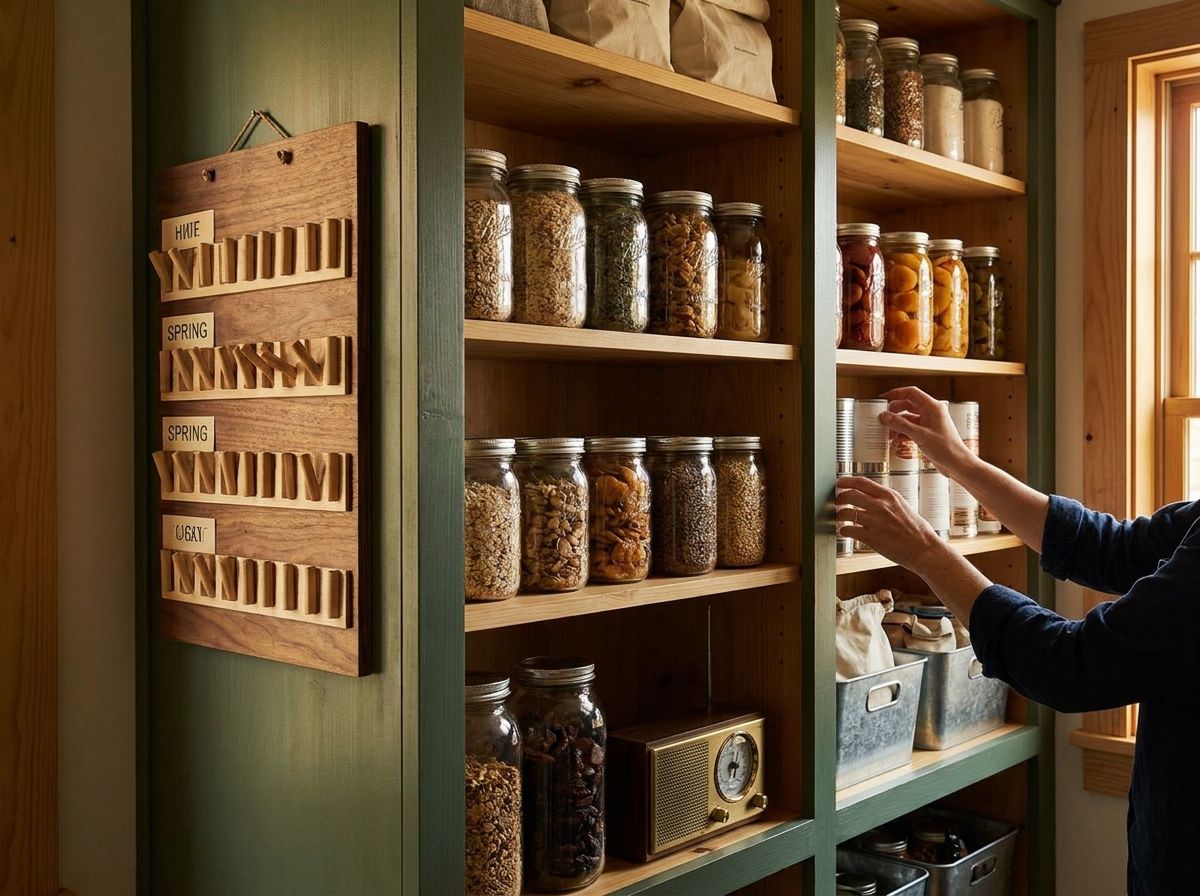
The thesis: rotation works when it is tied to the seasons
Food does not spoil on a calendar. But your household runs on one. School pickups, weekend travel, gardening, and cold snaps all change what gets cooked and when. When you rotate food on a seasonal preparedness calendar, you catch the slow drift between what you bought and what you actually eat.
A good rotation plan has three parts:
- A predictable check date
- A visible way to see what expires first
- A simple action that moves older items forward
That last one matters more than people think. If you only "check," nothing changes. If you physically move items, your pantry starts telling the truth.
You can run the same method all year, with different emphasis each season. Here is how it breaks down in real homes:
- Spring: use up the winter-heavy staples and replace with lighter, quicker meals
- Summer: lean into grilling and cold storage while canned and shelf-stable items keep rotating
- Fall: stock for soups, baking, and longer cooking as temperatures shift
- Winter: protect the "easy wins" so you are not digging through the back of the pantry at 6 PM on a Tuesday
The goal is to keep pantry rotation calm. You are not hunting for expired food. You are running a system that prevents surprises.
Why shelf-life tracking needs a timeline
Most people read a date and treat it as a hard deadline. In the US, "best by," "use by," and "sell by" labels all mean different things, and the date is only one part of the quality-and-safety picture. The practical takeaway: shelf-life tracking should drive your rotation, not your anxiety.
USDA guidance emphasizes that "best by" dates reflect peak quality, not automatic spoilage. For safety, you still follow proper storage rules and toss anything showing clear signs of spoilage.
So you build a timeline. Then you rotate on time.
Spring checklist (March to May): reset the pantry for lighter meals
Spring is when the pantry starts lying. Winter meals worked through the front-shelf items, and the back-shelf items got older without anyone noticing. Since people start buying fresh ingredients again in spring, it is easy to accidentally let shelf-stable staples drift past their prime.
Your spring seasonal preparedness checklist is straightforward: clear the front, move older items forward, replace what you used.
What you do in spring
Pick a single day in March and run a 45-minute food expiration rotation session. Then do a shorter 20-minute check in April or May. Daily attention is not required.
Use this pantry rotation workflow:
1. Pull one shelf at a time. Do not dump everything on the counter.
2. Move items with earlier dates to the front. Newest items go to the back.
3. Check packaging you rarely open: flour, sugar, rice, oats, nuts, and baking mixes.
4. Record what you are out of or low on.
Concrete spring scenarios you can copy
Here are three moments that happen in most homes, including the Wills household.
- Scenario 1: You find a bag of brown rice sitting behind white rice. Brown rice has a shorter shelf life because of its higher oil content. You move it forward and plan a batch-cooked dinner for the following week.
- Scenario 2: You open the baking cabinet for muffins and notice the baking powder date is older than expected. You replace it before you actually need it for a spring bake day.
- Scenario 3: You find a jar of peanut butter that smells off even though the date looks fine. You toss it, note that oils go rancid on their own schedule, and use the rotation checklist to prevent a repeat.
What to rotate first in spring
Focus on items that shift from "backup" to "used soon." That usually means:
- Grains and baking staples you reach for more in spring (oats, flour, rice)
- Canned goods you plan to use in lighter meals (tomatoes, beans)
- Snacks that get pulled for school days and weekend outings
If you track shelf life with a simple label system, spring is when you update it. No fancy software needed. You need a visible "expires first" view, nothing more.
A small data point that helps you plan
Shelf-stable items are often perfectly fine well past their printed dates if stored correctly, but quality does change. A core concept from food safety education is that oxygen, heat, light, and moisture are what accelerate quality loss. Your rotation reduces exposure time and keeps pantry items tasting like you bought them recently.
You are not trying to "beat" time. You are trying to stay a step ahead of it.
Summer checklist (June to August): rotate during busy weeks, not after
Summer is when meal routines shift fast. You grill more, eat outside, and lean on cold storage. The pantry rotation still matters, but it is easier to skip because you feel like you are "not really using the pantry" as much.
So the job is to rotate while you still have momentum.
What you do in summer
Run one full food expiration rotation session in early June and another in late July. Keep both sessions short but thorough.
Do this:
- Check the "grab zone" first. That is where snacks, drinks, and quick meals live.
- Then check the "backup zone" where you keep overflow stock.
- Look for packaging problems: swollen cans, torn seals, bags with moisture damage.
Then update your preparedness calendar.
A summer rotation session should also cover your heat-sensitive items. Even shelf-stable goods lose quality faster in warm conditions. If your pantry sits near a sunny window or an exterior wall, treat it like a faster clock (I learned this the hard way with a summer bag of walnuts that turned completely rancid).
Concrete summer scenarios
- Scenario 1: You reach for canned beans to finish a salad and find one with an earlier date than the rest. You move it to the front shelf so it gets used next week.
- Scenario 2: You buy a large bag of trail mix during a sale, open it two weeks later, and the nuts are already stale. You check the package date and either reduce future bulk buys or split the bag into smaller airtight containers.
- Scenario 3: You store flour in a cabinet that gets warm. In August you find a bag with early signs of pests. You do a deeper clean and move future flour into airtight containers.
What to rotate first in summer
Summer rotation usually emphasizes:
- Canned goods you use in cold meals (beans, corn, tomatoes)
- Drink mixes and baking supplies you keep for guests
- Nuts and snack foods that go stale faster than you expect
A practical method for shelf-life tracking in summer
If you are not using labels yet, try this low-effort system:
- Put a small label on the front edge of each container shelf.
- Write the earliest date on that shelf segment.
- Update the label every time you rotate.
That is shelf-life tracking you can read from the doorway. No digging through cabinets.
Fall checklist (September to November): stock for longer cooking, rotate what you have
Fall is when you start buying for soups, baking, and comfort meals. It is also when your pantry quietly accumulates "almost used" items.
This is where a lot of households lose the thread. They buy new ingredients and shove them behind older ones, then winter arrives and the older items get forgotten entirely.
Your fall seasonal preparedness checklist is about matching purchases to your actual rotation.
What you do in fall
Do a full rotation in early September, then a shorter audit in late October.
Your fall workflow:
1. Pull items by category: baking, grains, canned proteins, canned vegetables.
2. Check dates and storage conditions.
3. Move oldest items to the front and plan a use for them within 30 to 45 days.
4. Only then shop.
That "only then shop" step is the difference between a pantry rotation and a pantry pile.
Concrete fall scenarios
- Scenario 1: You plan chili for a game day and realize your dried beans are older than you thought. You cook the older batch first to confirm quality, then replace what you need.
- Scenario 2: You open the baking shelf for pumpkin bread and find a cake mix with a date that is close. You use it for a quick bake now rather than wait for the "perfect moment."
- Scenario 3: You find a dented can of tomatoes. Even if it looks fine otherwise, you follow your household standard, toss it, and replace it on your next shopping run.
What to rotate first in fall
Fall is when you should prioritize:
- Baking staples (baking soda, baking powder, flour)
- Canned and jarred ingredients you use for simmering (tomatoes, broth, beans)
- Ready-to-cook items you rely on when evenings get shorter
A note on storage and quality
Heat and humidity accelerate quality changes. Staleness, off flavors, and clumping can all show up before a date technically passes. Even when food is technically safe, quality still matters because it affects whether you actually cook with it.
A rotation plan keeps your "easy meals" actually easy.
Winter checklist (December to February): protect the easy wins during storms
Winter is not the time to start reorganizing. You want a pantry that works when you are tired, when the power flickers, and when you would rather not dig through three rows of cans to find dinner.
This is where your preparedness calendar earns its keep.
What you do in winter
Run a rotation in early December and another check in mid-January.
Winter rotation should feel like maintenance, not a project. You are not changing everything. You are keeping the front shelves current.
Do this:
- Check your "front shelf" first. That is what you reach for on busy evenings.
- Move older items to the front.
- Confirm you can access what you need without moving heavy stacks.
Then do a quick shelf-life tracking update:
- Replace labels that are outdated.
- Note any items running low.
- Write a short "next shopping" list based on what you rotated out.
Concrete winter scenarios
- Scenario 1: On a snowy Saturday you decide to make soup. You reach for broth and find the back stock has older dates. You move those cans forward during your January check so you do not end up improvising dinner.
- Scenario 2: A stretch of bad weather has you cooking at home more than usual. You find that your go-to meal ingredients are too old to taste right. You rotate them out in December and replace with fresh stock you will actually use.
- Scenario 3: You host family and the pantry gets raided. You still do the mid-January audit, but you keep it focused on the categories you burned through most.
What to rotate first in winter
Winter rotation emphasizes items you rely on when you do not want to think:
- Canned proteins and vegetables
- Pasta and grains you can cook quickly
- Baking staples for weekend comfort meals
Why a calendar beats memory
People remember what they did last week. They forget what they did six months ago. A seasonal preparedness checklist turns memory into a schedule.
You are building a system that stays calm.
The system: a 4-season pantry rotation workflow you can repeat forever
You now have four seasonal checklists. The missing piece is the method that holds them together.
This section gives you the repeatable workflow, plus a way to prevent expiration date chaos across the year.
Build your "expires first" shelf-life tracking map
Choose one shelf or one bin per category: grains in one zone, canned goods in another, baking supplies in a third.
Then do this:
- Put newer items at the back.
- Put older items at the front.
- Keep the front shelf as the "active shelf."
When you rotate, you move items forward within the zone. You do not mix categories.
Use a preparedness calendar that matches your buying patterns
Your preparedness calendar does not need ten reminders. It needs clear checkpoints.
A simple structure that works:
- Early spring: full rotation
- Early summer: full rotation
- Early fall: full rotation
- Early winter: full rotation
- Midpoints: short checks (20 minutes)
This matches how seasonal shopping actually happens. You rotate before you buy heavily, not after.
Keep a rotation log that takes less than five minutes
You do not need a spreadsheet if you hate spreadsheets. You do need a record.
Use a small notebook page or a phone note with this format:
- Date of rotation
- Categories checked
- Items replaced
- Items to watch
That log is what keeps the system "always on time." It also helps when you are not the only person doing the shopping.
Three concrete examples of the workflow in real homes
- Example 1: You keep canned beans on one shelf. In September you move the earliest date forward and write "beans: use by mid-November" in your rotation log. In October you check that shelf again and adjust.
- Example 2: You store flour in airtight containers. In July you notice clumping and replace it. In December you rotate baking supplies first because that is where quality changes show up earliest.
- Example 3: You keep bulk rice in garage storage. You rotate it in March and split the bag into smaller airtight bins. In winter you pull from the active shelf first so you are never digging.
Where Mainstay fits in without drama
With Mainstay's adaptive learning system, you can keep your rotation routine consistent across seasons by turning each checklist into a quick, repeatable audit. The point is not to track everything forever. The point is to keep shelf-life tracking accurate enough that you stop relying on memory.
And yes, your future self will thank you. Your current self does the work. That is the trade.
FAQ
How do I do food expiration rotation without wasting food?
You rotate what is already open and what is already at the front first. Then you plan one meal within 30 to 45 days using the oldest items you moved forward. That turns rotation into a normal cooking plan instead of a cleanup project.
What should be on a seasonal preparedness checklist for pantry rotation?
Include a full rotation at the start of each season and a short midpoint check. Focus on grains, baking staples, canned goods, and any snacks that go stale faster than expected. Add a quick note of what you replaced so your next shopping trip matches your rotation.
How often should I do shelf-life tracking?
Do shelf-life tracking at each seasonal checkpoint, with midpoint checks in spring, summer, and fall. Winter gets two checks because the weather changes how often you cook. If you store items in hot or humid spots, check those zones more often.
Do I have to throw everything away when a date passes?
No. Many labels are about peak quality, not a hard safety cutoff. Follow storage rules and toss anything showing spoilage signs like bulging cans, off smells, or visible mold. When in doubt, use your household standard and replace rather than gamble.
What is the easiest system for pantry rotation labels?
Use one label per shelf zone showing the earliest date you have there. Keep newer items behind that line and older items in front. Update the label every time you rotate so you never have to read ten packages to figure out what to use first.
Next step: pick your first rotation date and label one shelf
Choose a date in the next 7 days for your spring rotation session. Then pick one shelf zone today and label it with the earliest date currently sitting on that shelf.
When you do that, the next checklist becomes easy. You are not rebuilding a system. You are just keeping it on schedule.
Want this handled automatically? See the Mainstay membership.
Subscribe to comment
Join the Mainstay newsletter to leave a comment — and get new field notes in your inbox.
Get new field notes in your inbox
Practical, calm preparedness — one useful note at a time.