Seasonal supply check: preparing your inventory for winter weather
Get ready for winter by checking your supplies. Learn how to prepare your inventory and ensure you have everything you need for the cold months ahead.

As the leaves torched themselves orange and gold, Sam Wills stood in his garage doorway staring at the aftermath of last winter - fuel canisters wedged behind lawn chairs, a first-aid kit buried under a tarp, and three flashlights he couldn't have found in the dark if his life depended on it. The snowstorm had hit fast last February, and he'd spent most of it hunting for things he knew he owned.
This year would be different.
Maybe you recognize that feeling - the low-grade dread of knowing your supplies are somewhere, just not organized enough to be useful. That's exactly what a seasonal inventory check fixes. Let's walk through how Sam did it, step by step.
Assessing your current inventory
Before you buy a single thing, you need to know what you already have. Sam learned this the expensive way after buying duplicate propane canisters two winters running.
Here's how he tackled the assessment:
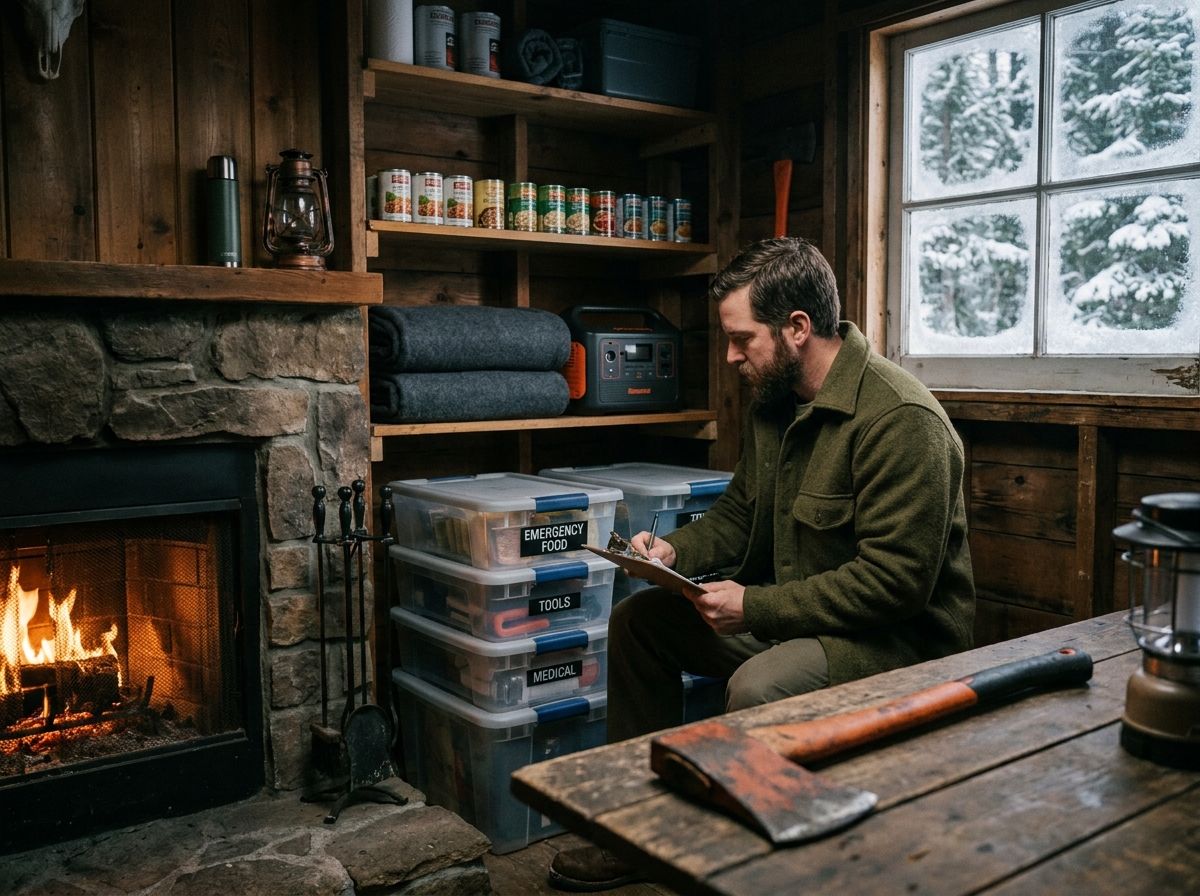
- Block off real time. Sam gave himself a full Saturday afternoon - not a quick twenty-minute scan. He threw on a playlist, made a mug of coffee, and treated it like a project worth doing properly.
- Bring the right tools. Notebook, pen, phone, and a flashlight for the dark corners. He also ran a digital inventory app on his phone, which meant he could update quantities on the spot instead of transcribing notes later.
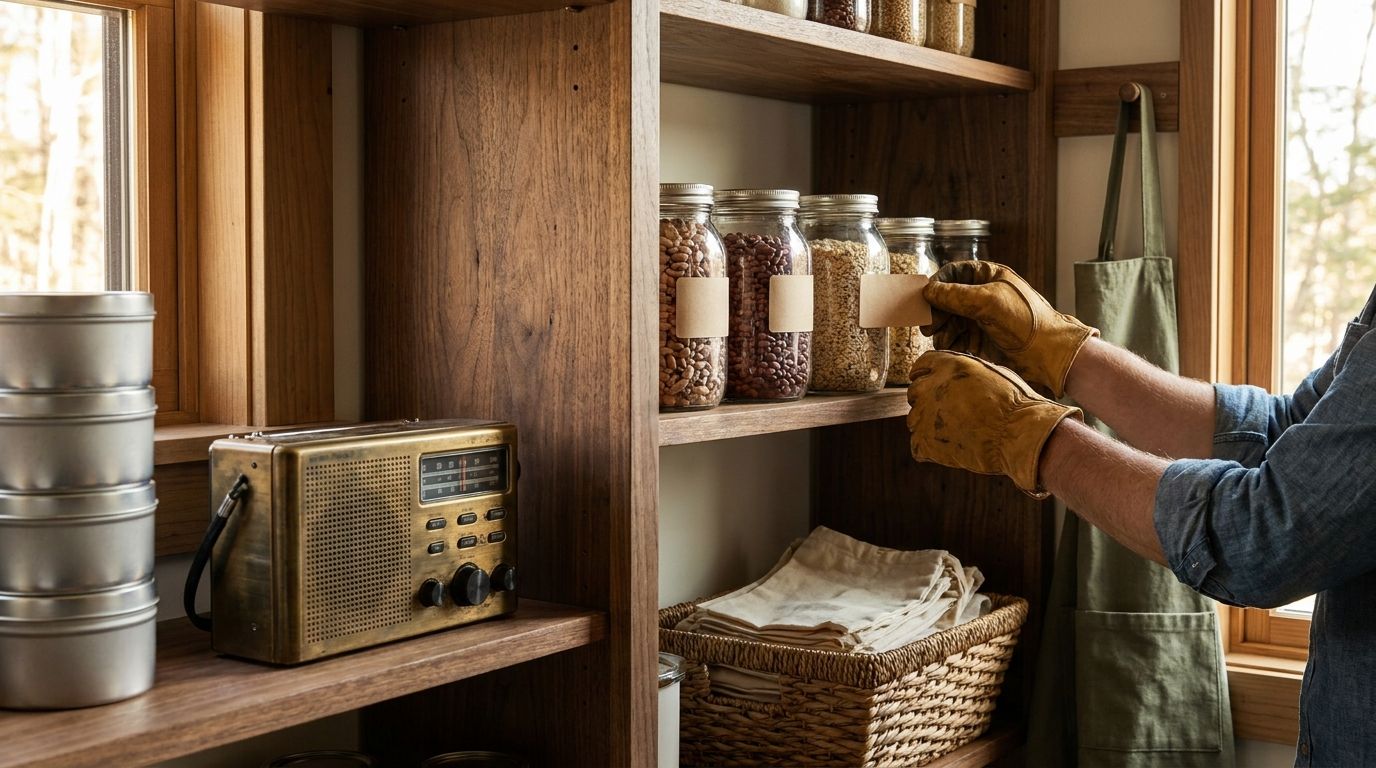
- Pull every expiration date. Food first. Canned goods and dried staples last longer than most people think, but they're not immortal. Sam found a can of chili from 2021 shoved behind a bag of rice - a good reminder that "somewhere in the pantry" is not a storage strategy.
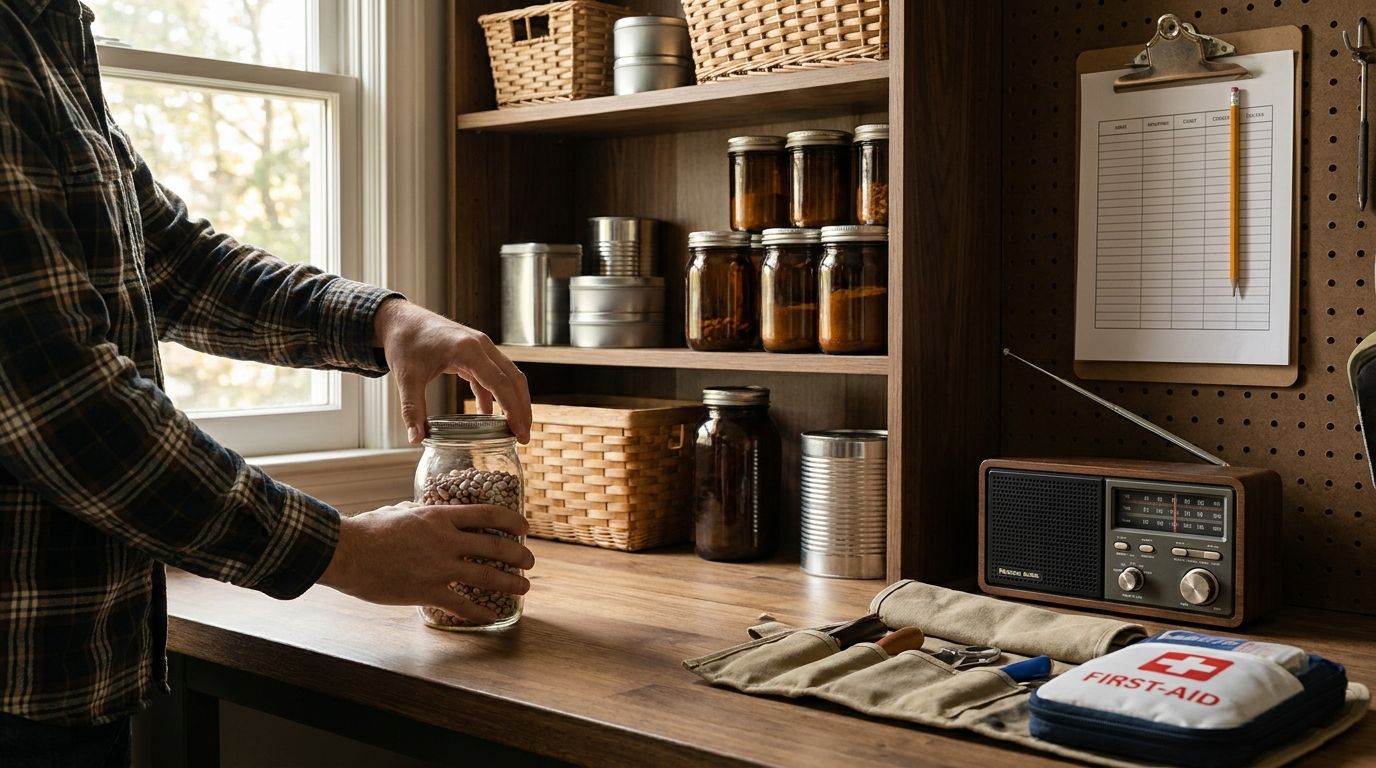
- Sort into categories. Food, water, first-aid, equipment. Seeing everything grouped by type made the gaps obvious fast. (He also rediscovered a forgotten stash of hot cocoa mix, which - honestly - made the whole afternoon feel like a win.)
By the time the playlist hit its third cycle, Sam had a clear picture of what he owned and a list of what actually needed replacing. That clarity alone is worth the afternoon.
Prioritizing winter essentials
Knowing what you have is step one. Knowing what matters most heading into winter is step two - and Sam learned that distinction after running short on heating fuel during a cold snap that lasted eleven days.
Here's where he focused his attention:
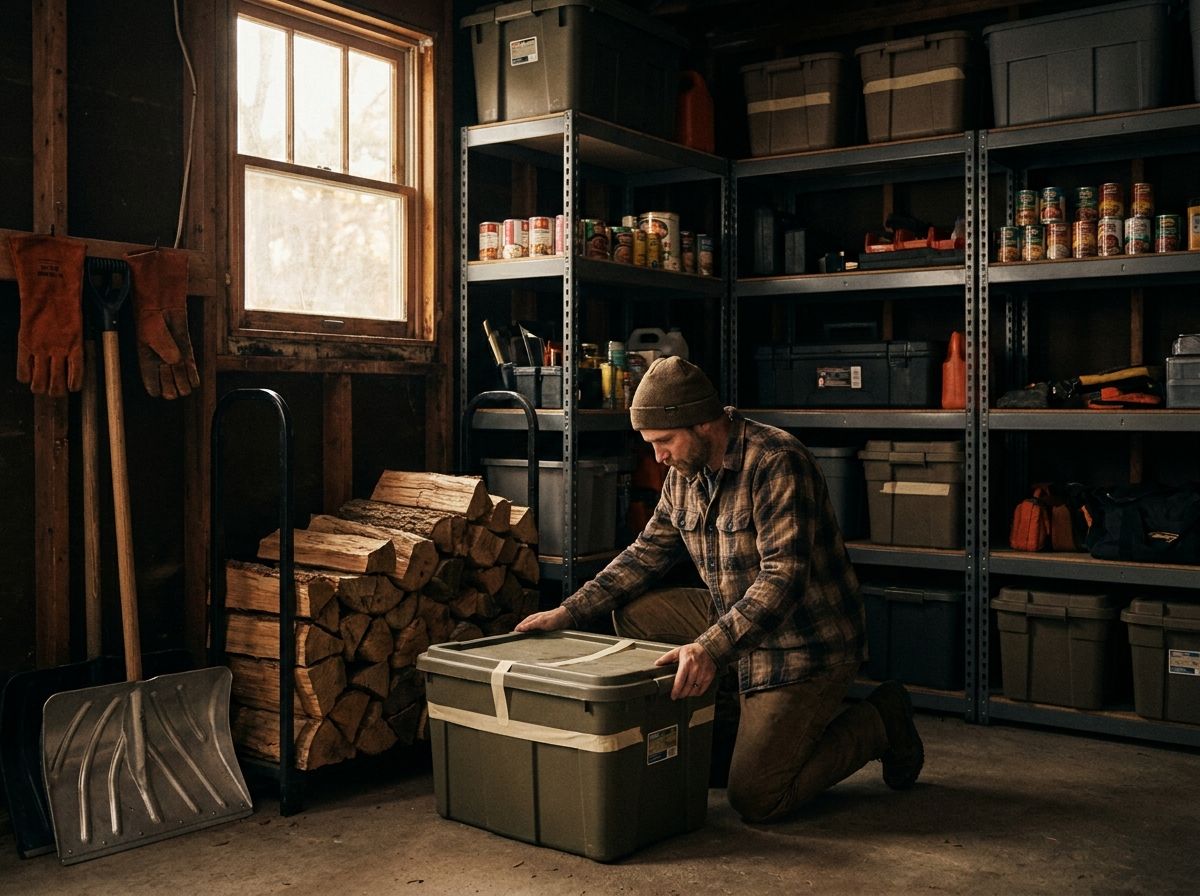
- Heating supplies. Whatever your heat source - fireplace, wood stove, space heater - the fuel needs to be there before you need it. Sam drove out to Johnson's Firewood and loaded up on seasoned oak, which burns hotter and longer than green wood. Worth the extra few miles.
- Food and water. Target at least a week's worth of non-perishables: soups, canned vegetables, pasta, granola bars. Sam stocked Campbell's soups and Barilla pasta for his family, plus bottled water, because winter hydration gets neglected more than people admit.
- First-aid kit. Check every item. Sam found bandages that had dried out and lost their adhesion, plus an expired bottle of ibuprofen. He restocked both and added cough syrup - cold and flu season overlaps with every bad weather stretch on the calendar.
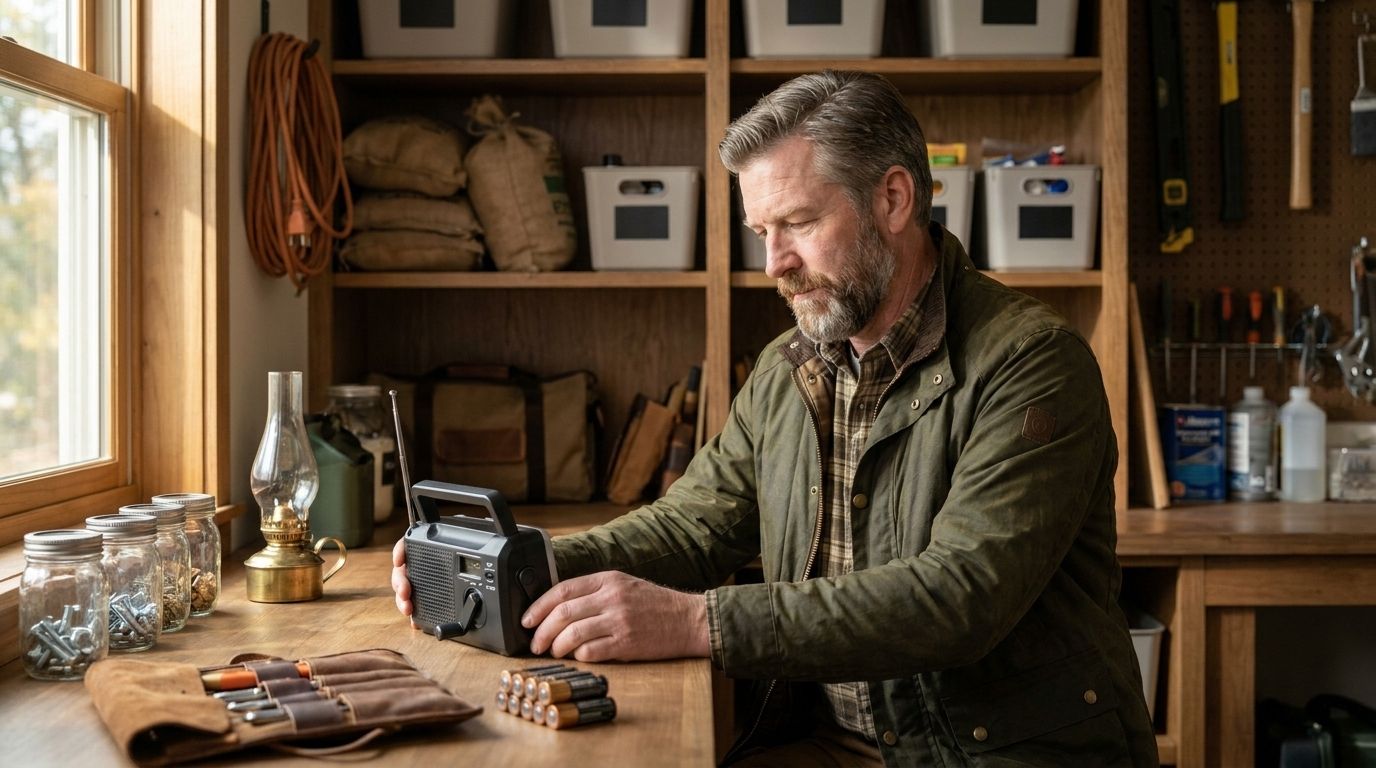
- Emergency gear. Flashlights, extra batteries, blankets, and a battery-powered or hand-crank radio. Sam picked up a hand-crank model at his local Home Depot so he could stay tuned to weather alerts even if the power was out for days.
Each winter has its own personality, but the right supplies mean you're meeting it on your terms, not scrambling.
Creating a replenishment plan
A list without a plan is just paper. Sam had made that mistake before - a thorough inventory check followed by a vague intention to "get to the store soon," which turned into three more weeks of procrastination.
What worked instead:
- Write a specific shopping list. Organized by store section, not by category. It sounds small, but moving efficiently through a store means you're less likely to get distracted and more likely to actually finish the trip.
- Set a real budget. Sam allocated $150 for food and supplies. That ceiling kept him from overspending on nice-to-haves and forced him to prioritize the genuine essentials.
- Pick a shopping day - and stick to it. He chose Saturday morning, knowing his local grocery store restocks on Fridays. Freshest shelves, shortest lines, no last-minute crowd pressure.
- Build in flexibility. Stores run out of things. If Sam's preferred canned soup was gone, he grabbed a different brand rather than leaving empty-handed. The goal is stocked shelves at home, not brand loyalty.
Walking out of the store with full bags and a budget still intact - that's the feeling you're after.
Maintaining your inventory
Stocking up once is a start. But supplies get used, things expire, and a pantry that was solid in November can have real gaps by January if nobody's paying attention.
Sam's system for staying on top of it:
- Monthly checks, on a schedule. He set a recurring calendar reminder for the first Saturday of every month. Not "sometime this month." A specific day.
- Rotate religiously. Oldest items in front, newest in back. He also started writing purchase dates on the tops of cans - a small habit that prevents a lot of waste.
- Log what you use. A small notebook near the pantry, or a quick phone photo of the shelves after a big cooking weekend. Either works. The point is that "I think we still have plenty" is how you end up short.
- Adjust as life changes. Sam's family added a dog last spring, which meant adding pet food and supplies to the inventory entirely. Your list should reflect your actual household, not a template someone else wrote.
Maintenance doesn't have to be a production. Done consistently, it takes maybe twenty minutes a month.
FAQ
How often should I check my winter supplies?
You should check your winter supplies at least once a month during the cold season. This helps you keep track of what you have and what needs replenishing. If you have a busy schedule, try setting a specific day each month to do this.
What are some essential winter supplies I should have?
Some essential winter supplies include non-perishable food, water, heating fuel, first-aid kits, flashlights, and blankets. Tailor this list to your specific needs and consider your family size and lifestyle.
How can I ensure my supplies don't expire?
Regularly rotate your supplies, using the oldest items first. Keep a list of expiration dates and check them monthly to ensure nothing goes to waste. You could also set reminders on your phone to help you remember when to check.
What if I don't have space for my supplies?
Consider creative storage options, like under-bed bins or utilizing closet space. You can also prioritize what's most essential and find a way to make it work. Sometimes, decluttering and organizing your space can free up more room for your supplies.
What should I do if there's a sudden winter storm?
If a sudden winter storm hits, stay calm. Ensure you have enough food, water, and heating supplies on hand before the storm arrives. If you haven't fully stocked up, consider reaching out to neighbors or local community groups for support.
How can I involve my family in winter preparedness?
Involve your family by discussing your plans together. Create a shopping list as a group, and assign tasks for inventory checks. This not only lightens your load but also fosters a sense of teamwork and shared responsibility.
A well-organized inventory doesn't just keep you supplied - it keeps you calm. When the temperature drops and the forecast turns ugly, you want to be the person reaching for a known item on a known shelf, not tearing through boxes hoping for the best.
Stay warm. Stay organized. And remember, you've got this.
Want this handled automatically? See the Mainstay membership.
Subscribe to comment
Join the Mainstay newsletter to leave a comment — and get new field notes in your inbox.
Get new field notes in your inbox
Practical, calm preparedness — one useful note at a time.