Spring home readiness checklist for water, storms, pests, and outdoor supplies
Use this spring home readiness checklist to inspect water, storm gear, pest controls, and outdoor supplies before small problems become expensive ones.
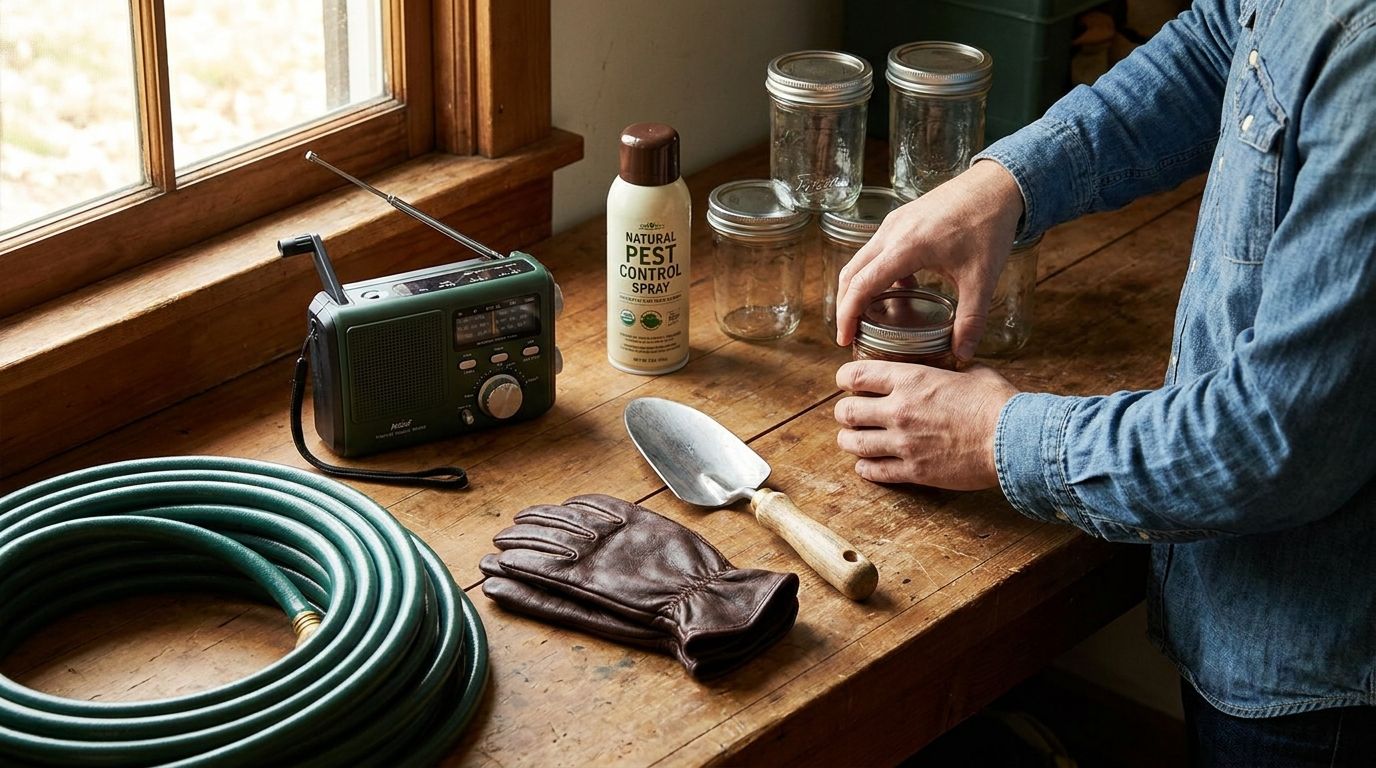
At 6:40 on a wet April morning, the sump pump starts humming before the coffee is done. In the garage, a cracked hose bib drips onto a cardboard box, and two wasp nests have appeared under the back steps. A spring home readiness checklist gives you one calm way to find these problems before a storm, a flood, or a warm-weather Saturday does it for you.
The job is straightforward: check your water supply, inspect storm weak points, close pest entry routes, and restore the outdoor supplies you'll use through summer. Do it in short passes, record what you find, and fix the items that can cause damage or interrupt basic household needs first.
Spring is a useful reset because winter has tested the house. Freeze-thaw cycles can split pipes, heavy rain exposes drainage problems, and rising temperatures wake up insects and rodents. The National Weather Service records severe thunderstorms, tornadoes, and flooding across the United States during spring, with local risk varying widely by region.

Check household water before the first hot week
Start inside at the main water shutoff, under sinks, behind toilets, and around the water heater. Look for damp cabinet floors, green or white buildup on fittings, soft drywall, and stains that have grown since winter. A paper towel wrapped around a joint for a few minutes can reveal a slow leak your eyes will miss entirely.
Then walk outside and turn on each hose bib, watching the connection while the water runs. A freeze-damaged fitting may leak inside the wall, not at the faucet. Check the hose, washer, backflow device, and any exposed pipe insulation. Replace a cracked hose now, while the store still has the common size in stock and you are not standing in a muddy yard with a plant that needs water.
Your stored water deserves its own check. The Centers for Disease Control and Prevention uses one gallon per person per day as a planning baseline for drinking and sanitation, with more needed for heat, illness, pets, or difficult conditions. Count what you have, inspect containers for swelling or damage, and verify that each container has a clear fill date.
Use this spring water check:
- Confirm the main shutoff is accessible and labeled.
- Test every indoor and outdoor faucet for leaks.
- Inspect the water heater pan, discharge pipe, and nearby floor.
- Check stored water containers for cracks, odors, and unclear dates.
- Replace water used during winter and update your inventory.
- Keep a clean bucket and basic shutoff tool where you can reach them quickly.
If your household uses a private well, review the pump, pressure tank, and backup power arrangement. The Environmental Protection Agency recommends testing private well water at least annually and after flooding or other events that may affect the well. A spring service appointment is easier to schedule before local contractors are buried in calls.
Make a spring storm preparation pass
Spring storm preparation starts with the roof, drainage, and the places where wind can turn ordinary objects into hazards. From the ground, inspect shingles, flashing, vents, gutters, downspouts, and the point where the roof meets a wall. You do not need to climb onto a wet roof to spot missing material or a sagging gutter. If the roof needs a closer look, hire someone who works safely at height.
Clear leaves from gutters and extend downspouts far enough to move water away from the foundation. A downspout that ends beside the basement wall can push a surprising amount of water into the wrong place during one hard storm. Check window wells, basement drains, and low spots near doors. Remove mulch or soil that has settled against siding and created a path for runoff.
Next, inspect the yard as if strong wind were coming through it. Secure a loose grill, empty planter, recycling bin, ladder, and patio umbrella. Trim dead limbs near the roof, driveway, and overhead service lines, but leave utility-line work to the utility company or a qualified professional. NOAA has repeatedly identified April through June as an active period for severe weather in many parts of the central and eastern United States, though your exact timing depends on location.
A useful storm inspection includes:
- Checking the roofline from several angles.
- Cleaning gutters, drain grates, and window wells.
- Moving loose outdoor objects into a garage or anchored storage area.
- Testing weather alerts for your county and nearby counties.
- Confirming that flashlights, chargers, and the household contact list are where you expect them.
- Photographing existing exterior damage for your records before repairs.
Consider the household schedule, too. If a storm warning arrives at 3:15 p.m., who is driving, who is at work, and who can check on the house? A practical plan names the meeting place, the person who receives updates, and the route to a safer interior room. Mainstay can help you keep the household profile, preparedness plan, and important documents current without relying on a scrap of paper that disappears under the mail.
Close the door on pests
Warm weather exposes openings that were invisible in January. Walk the foundation slowly and look for gaps around pipes, cable lines, vents, doors, and basement windows. Pay attention to the transition between siding and foundation. Mice can enter through openings about the width of a dime, so a gap that looks harmless may not be harmless to them.
Replace torn window screens and repair the sweep under exterior doors. Store birdseed, pet food, grass seed, and trash in sealed containers. Clean crumbs from the garage and utility room, where a few spilled handfuls can support pests for weeks. If you have a crawl space, look for droppings, chewed insulation, nesting material, and damp wood.
Water management matters here as much as sealing. Empty standing water from buckets, toys, clogged gutters, wheelbarrows, and plant saucers. The Centers for Disease Control and Prevention notes that mosquitoes can lay eggs in small amounts of standing water, so the five-minute yard walk has real value. You do not need a dramatic infestation to justify clearing a breeding spot.
Try this pest-control sweep:
- Seal cracks with the material suited to the surface.
- Replace damaged screens and door sweeps.
- Move food and seed into lidded containers.
- Empty standing water after rain.
- Keep firewood elevated and away from the house.
- Check attic and crawl-space corners for fresh activity.
If you find termites, extensive rodent activity, or a wasp nest near a doorway, identify the problem before choosing a treatment. A licensed local professional can distinguish a carpenter ant trail from termites, and that distinction affects the repair. Avoid scattering random chemicals around the house because the label, not the size of the problem, determines safe use.
In Raleigh, Mei found three carpenter ants near a kitchen window after a week of rain. The ants were not the main issue. A soft section of trim had been holding moisture, and replacing the trim solved more than spraying the visible insects would have done.
Restore outdoor supplies before you need them
Pull outdoor supplies from storage and inspect them as equipment, not forgotten clutter. Garden hoses can split at the coupling. Extension cords can have cracked jackets. Folding chairs can have bent joints. A ladder can look fine until a loose foot meets wet grass. Test each item in daylight, when you are less likely to make a poor repair decision because a weekend project has suddenly become urgent.
Group supplies by the work they support. Keep watering equipment together, lawn tools together, storm cleanup tools together, and protective gear together. This makes missing items visible. If the rake is in the shed, the gloves are in the basement, and the trash bags are somewhere near the laundry room, the household has supplies, technically. It does not have a usable setup.
Inspect fuel-powered equipment outdoors, with the engine cool. Check fuel age, oil level, spark plug condition, air filters, and manufacturer service intervals. Do not run a mower, pressure washer, or other gasoline engine in a garage, shed, porch, or near an open window. Carbon monoxide builds quickly in enclosed or partly enclosed spaces.
Spring outdoor supply checks should cover:
- Hose, nozzle, shutoff, and faucet connections.
- Rake, shovel, pruning tools, and work gloves.
- Ladder feet, hinges, and storage position.
- Tarps, tie-downs, contractor bags, and buckets.
- Sunscreen, insect repellent, drinking water, and cooling supplies.
- Mower and trimmer maintenance items.
- Pet leash, waste bags, and outdoor water bowl if Scout travels into the yard with you.
For Sam in Boise, the useful discovery was not a missing tool. It was a pile of worn-out gloves beside the shed. He replaced them before pruning season, then moved the new pair to a marked bin near the back door. Small organization choices prevent the familiar late-afternoon hardware store run for something you already thought you owned.
Inspect the house after winter weather
Winter damage often shows up slowly. Look at ceilings below bathrooms, roof valleys, attic insulation, basement walls, and the floor around exterior doors. Stains, bubbling paint, musty odors, and new cracks all deserve a closer look. Take photographs with the date enabled so you can track changes instead of trusting memory, which is an unreliable maintenance tool (right beside the mystery box of screws).
Check seals around windows and doors. Look for daylight, damaged caulk, loose trim, and condensation that has been persistent rather than occasional. A failed seal can increase drafts, invite insects, and allow rain to reach framing. Re-caulk only after the surface is clean and dry, and use a product intended for the material and location.
Walk around the foundation after rain. Water should move away from the house, not collect beside it. Inspect retaining walls, exterior steps, railings, decks, and the fasteners holding them together. Soft wood, rusted hardware, shifting posts, or a railing that moves under light pressure should move up the repair list.
A seasonal home maintenance checklist also includes systems that affect comfort and air quality. Replace or clean HVAC filters according to the manufacturer's guidance, clear the area around outdoor units, and check that condensate lines drain correctly. If you use window air conditioners, inspect the seals and supports before installing them. Never improvise a support for a heavy unit above a walkway.
Use four categories when you record findings:
- Fix now: active leaks, exposed wires, unsafe stairs, or blocked drainage.
- Schedule: roof work, tree work, pest inspection, or appliance service.
- Replace: cracked hoses, damaged cords, worn gloves, or failed seals.
- Monitor: minor stains or settling that have no active moisture but need a dated photo.
This sorting keeps every defect from becoming a crisis in your head. You are not trying to renovate the property in one Saturday. You are deciding what needs action, what needs a professional, and what needs another look after the next heavy rain.
Turn the checklist into a household rhythm
A checklist is useful only when someone can find it and act on it. Put the spring inspection in your household calendar, then give each task a location and an owner. The person who notices a problem does not have to solve every problem, but the record should show what happens next and when someone will revisit it.
Use a simple field for each item: location, condition, action, owner, date, and replacement or service cost. For example: "North downspout, discharges beside foundation, add extension, June, April 12." That line is more useful than "check drainage," because it tells you what was seen and what done looks like.
Keep key records together. Store roof photographs, well test results, pest service paperwork, appliance manuals, and insurance contact details where the household can reach them. A document vault can hold digital copies, while a printed folder remains useful if the internet or household power is unavailable. Add only documents you would actually look for under pressure.
Set a short follow-up schedule:
- Within 48 hours: handle leaks, blocked drains, unsafe cords, and loose railings.
- Within two weeks: complete pest sealing, gutter work, and outdoor supply replacement.
- After the next major rain: inspect the basement, foundation, gutters, and window wells again.
- At the start of summer: recheck water storage, cooling supplies, screens, and yard equipment.
- At the end of the season: record what was used and what should be replenished.
For a household in Tulsa, Bryan could finish the first pass on a Saturday morning by starting at the water shutoff, moving outside, and ending in the garage. The point was not speed. It was a repeatable route that made the same inspection easier next year.
A seasonal rhythm works because it reduces decisions. Mainstay's inventory and dashboard can help you track what you have, what needs replacement, and which plan details changed after the inspection. You can also keep an eye on local weather patterns through the tool, but the tool matters less than the habit of reviewing it.
FAQ
What should I check first in a spring home readiness checklist?
Start with active water problems, blocked drainage, unsafe electrical or outdoor equipment, and damage that could worsen during the next storm. These items can create property damage or injury, so they belong ahead of cosmetic repairs and general yard cleanup.
How much water should a household store for spring storms?
Use one gallon per person per day as a baseline for drinking and sanitation, following CDC-style guidance. Add more for pets, medical needs, hot weather, illness, or limited access to nearby water, then inspect and date every container.
What is included in spring storm preparation?
Inspect the roofline, gutters, downspouts, window wells, foundation drainage, exterior doors, and loose objects in the yard. Confirm local weather alerts and make sure the household knows where to go and how to communicate if a storm affects travel or power.
How do I reduce spring pests around my home?
Seal gaps around pipes, vents, doors, and windows, then remove standing water and store food or seed in sealed containers. If you find termites, extensive rodents, or a nest near an entry, get an accurate identification before choosing a treatment.
How often should I repeat a seasonal home maintenance checklist?
Do a full spring review once each year, then revisit storm drainage and exterior damage after major rain. A short monthly walk helps you catch new leaks, pest entry points, and worn outdoor supplies before the next seasonal change.
Take one sheet of paper or one note on your phone and write down the first five spring fixes you can see from the front door. Then complete the water check before the day ends. A calm household is usually built from ordinary inspections done while the weather is still on your side.
Want this handled automatically? See the Mainstay membership.
Subscribe to comment
Join the Mainstay newsletter to leave a comment — and get new field notes in your inbox.
Get new field notes in your inbox
Practical, calm preparedness — one useful note at a time.