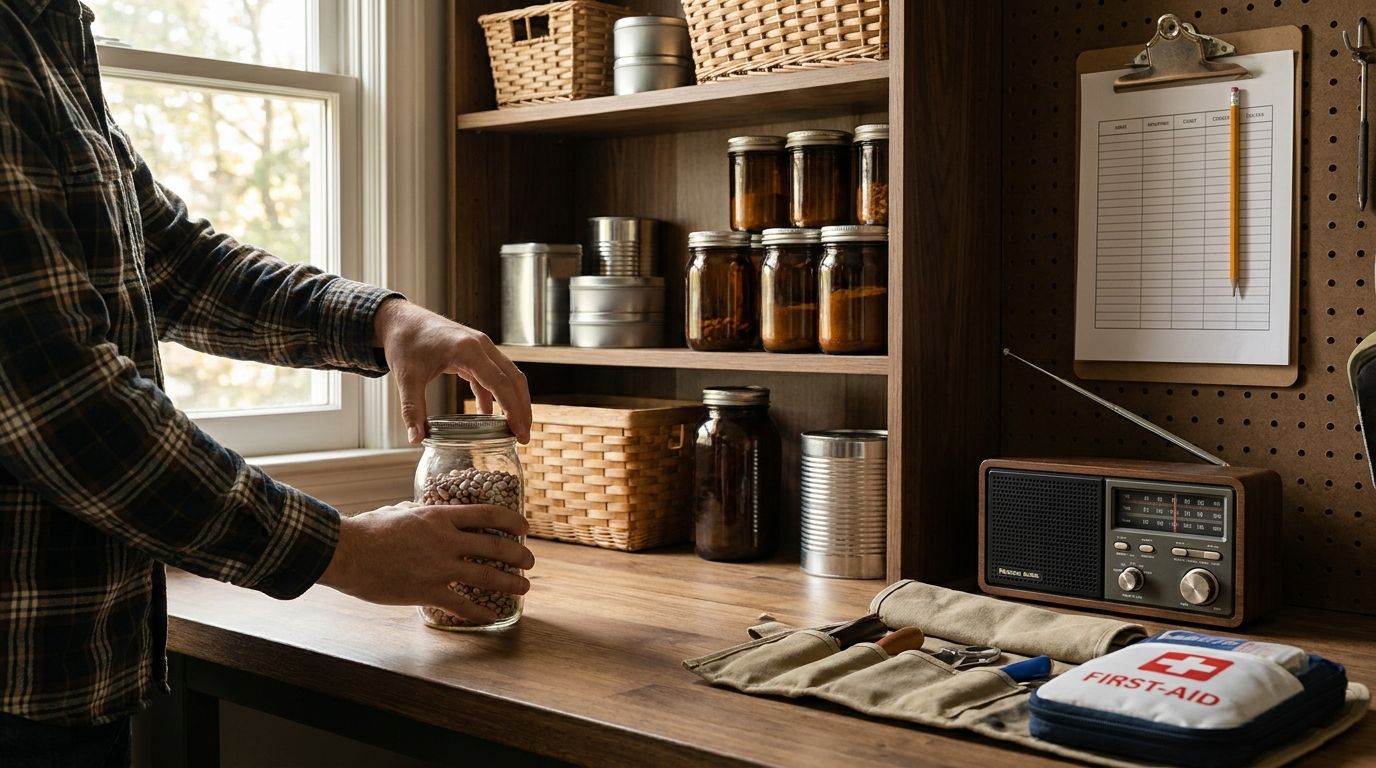
The importance of regularly rotating your supplies: best practices
Learn why regularly rotating your emergency supplies is crucial and discover best practices to keep your inventory fresh and ready for any situation.
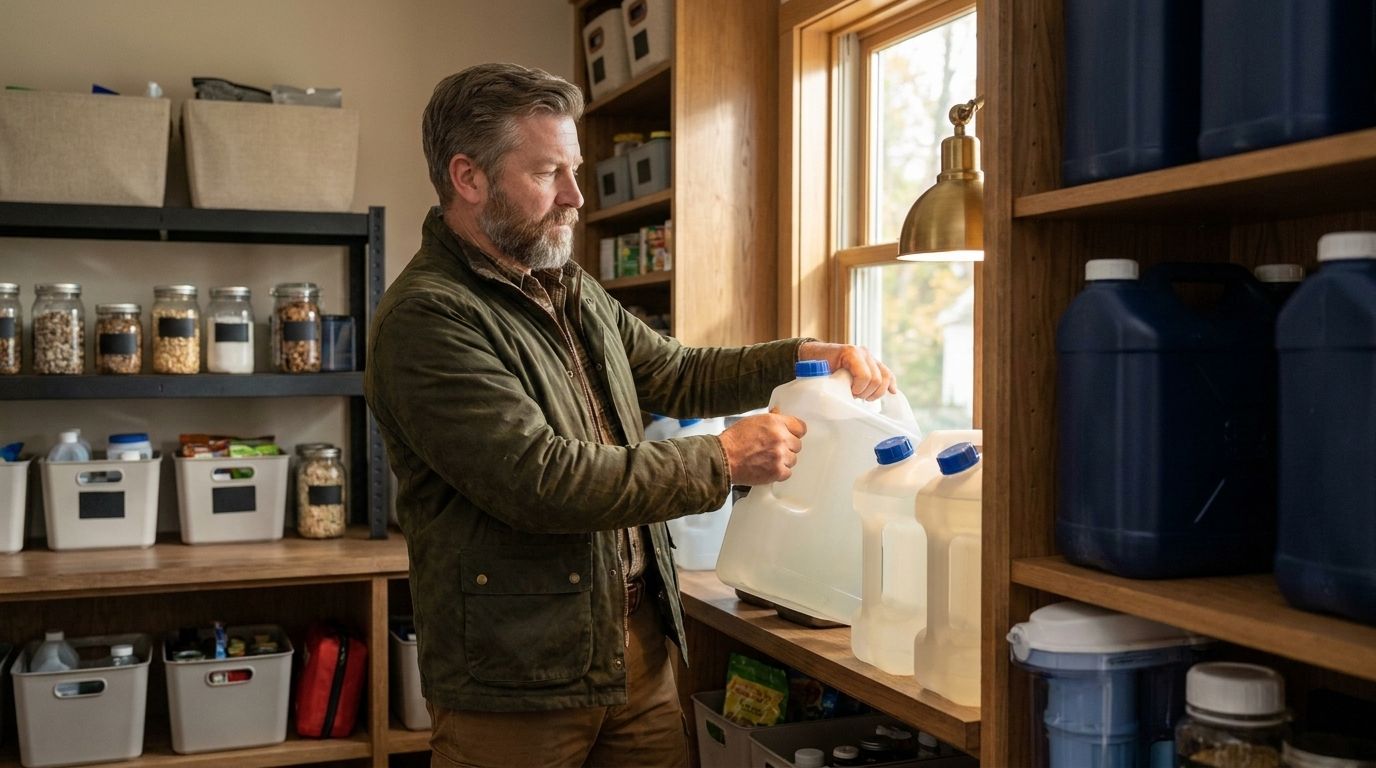
Last Saturday, Sam Wills stood in his garage, staring at his neatly packed bins of supplies. Light seeped through the door cracks, catching dust motes mid-air. He'd been meaning to check the contents for weeks, and as he pried open one of the containers, a cold wave of dread hit him: cans dated a year ago, a few even older. It hit him all at once - he'd let supply rotation slide.
That oversight matters more than most people realize. It can mean the difference between a kit you can actually count on and one that fails you at the worst possible moment. So let's get into why rotation deserves a permanent spot in your preparedness routine - and exactly how to do it right.
Understanding the concept of supply rotation
Supply rotation is the process of regularly checking, using, and replacing items in your inventory so you always have fresh stock on hand. Think of it like your refrigerator. You wouldn't let food quietly expire in the back corner, right? You pull older items forward, check dates, and replenish what's running low.
A lot of people stock up once and assume the job is done. It isn't. Food loses nutritional value, medications cross their expiration window, batteries corrode and leak. Letting inventory sit untouched is how a solid kit quietly becomes a liability.
A consistent rotation habit lets you:
- Confirm every supply is still in working condition.
- Track expiration dates and swap items before they become useless.
- Stay mentally familiar with what you have - so you're not scrambling to figure out your own kit under pressure.
Importance of supply rotation
The numbers here are worth sitting with. According to a study published in the Journal of Emergency Management, nearly 40% of emergency kits contain supplies that are past their expiration dates. That's not a fringe problem. That's nearly half of kits, quietly failing their owners.
Picture this: a severe storm is bearing down, and you grab your kit - only to find the food is expired, the flashlight batteries are dead, and your first-aid supplies are picked over. That's a preventable scenario. A rotation system is what prevents it.
Best practices for effective supply rotation
Here are the strategies that actually work, without turning the whole thing into a second job.
1. Establish a routine
Pick a specific recurring time - monthly or seasonal - and put it on the calendar. The first Saturday of each month, a weekend tied to spring cleaning, whatever sticks. Consistency is the whole point. Some families designate the first Sunday of each month as "Supply Check Day," pulling everyone in for a quick walkthrough of the kit. Done right, it takes under an hour and builds a habit the whole household shares.
2. Organize your supplies
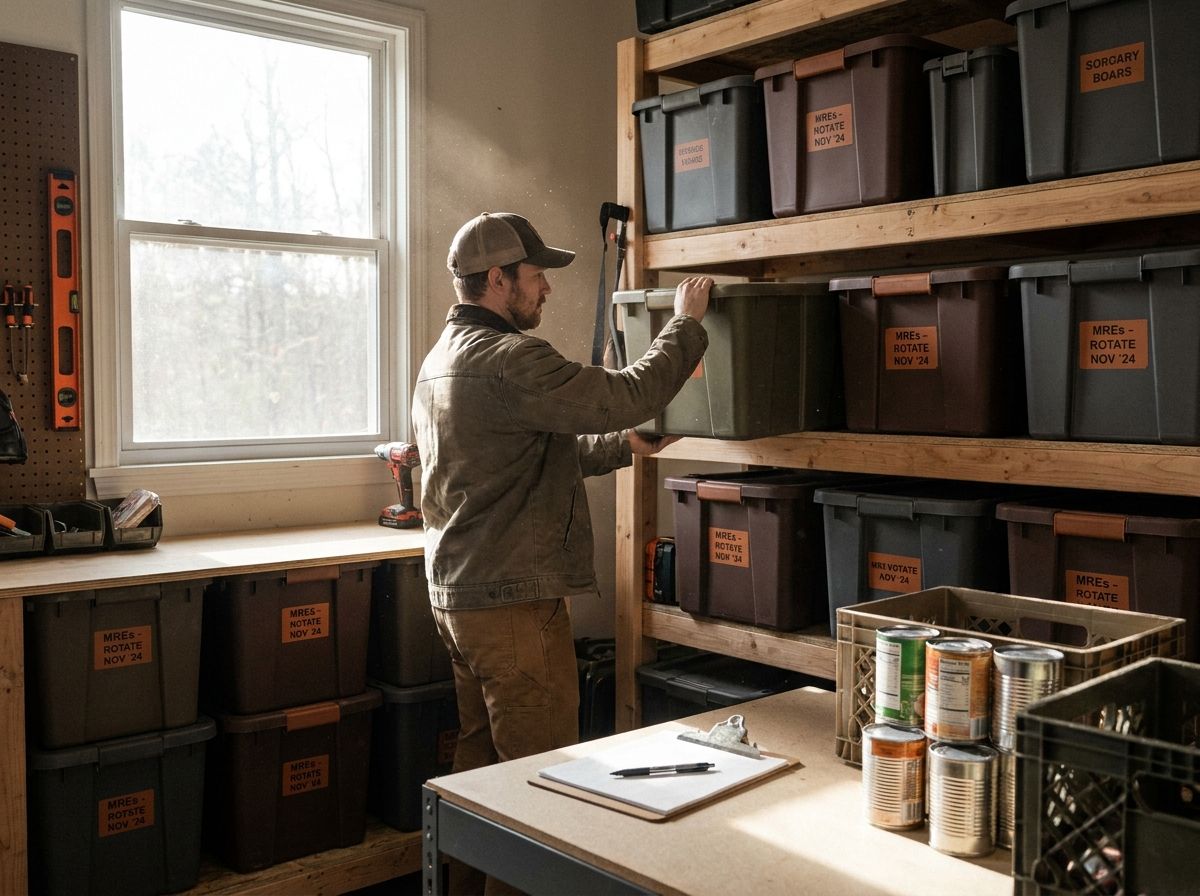
Clear bins and labeled boxes aren't just tidy - they're functional. Put older items at the front, newer ones at the back, so you naturally reach for what needs to be used first. The more intuitive the layout, the less friction there is when it's time to rotate.
If you're working with a garage or utility space, shelving units designed for that environment help enormously. Group supplies by category - food, water, first-aid, tools - so your inventory checks follow a predictable path every time.
3. Keep a checklist
A running checklist with expiration dates and quantities saves you from digging through every bin on check day. A simple spreadsheet works. So does a note on your phone, or a handwritten list taped inside a cabinet door (this is genuinely underrated).
Apps like Sortly or Home Inventory take it a step further, letting you set expiration reminders so items don't slip through the cracks between scheduled checks.
4. Educate yourself about shelf life
Not all supplies age the same way. Canned goods can last years; certain medications expire in months. Knowing the difference lets you prioritize what needs attention first.
The USDA's food storage guidelines put most canned goods at 1 to 5 years, depending on type and storage conditions. The FDA notes that most over-the-counter medications carry a shelf life of roughly 1 to 3 years. Those timelines are your benchmarks - build your rotation schedule around them.
5. Use the FIFO method
First In, First Out. Classic inventory logic, and it works just as well in a garage as it does in a warehouse. The oldest stock gets used first, before newer purchases. If you have a can of beans from 2022 and one from 2023, the 2022 can goes first. Simple, and it eliminates waste almost entirely.
6. Rotate based on seasons
Seasonal thinking sharpens your rotation. Fall is the time to audit winter gear - extra blankets, heating supplies, ice melt. Summer shifts the focus toward hydration supplies and sun protection. Aligning your checks with the calendar means you're never caught with summer supplies in January and winter gear in July.
The emotional side of supply rotation
Let's be honest. Checking supplies can feel like a chore, especially when you're tired and the bins are buried in the back of the garage. You might dread it a little. That's normal.
But here's what Sam discovered that Saturday: sorting through his outdated kit didn't just feel productive - it felt like reclaiming control. The anxiety that hit when he opened the first bin gradually shifted into something closer to satisfaction. He was fixing the problem, not just worrying about it.
That's the quieter benefit of a good rotation system. You're not just managing inventory, you're reinforcing a mindset that takes your family's readiness seriously. And that shift in how you think about preparedness has a way of making the whole process feel less like maintenance and more like something worth doing.
Tips for engaging the whole family
If your household shares the preparedness commitment, bring them into the rotation process. A few ways to make it stick:
- Assign roles: Split the work. One person handles food inventory, another checks batteries and flashlights, someone else reviews the first-aid kit. Lighter load for everyone, and it teaches each person the full picture.
- Make it fun: Set a timer and challenge everyone to find the oldest item in the kit. You'd be surprised how competitive it gets - and a small prize for the winner doesn't hurt.
- Discuss the importance: Talk openly about why fresh supplies matter. Share real examples of situations where preparation made a measurable difference. That context turns a chore into something people actually understand the point of.
Common pitfalls and how to avoid them
Even well-intentioned preppers run into the same traps. Here's what to watch for:
- Procrastination: The single biggest culprit. A fixed date on the calendar is the most reliable fix - it removes the decision of when to do it.
- Overlooking less-used supplies: Food and water get most of the attention, but flashlights, batteries, and first-aid items fail just as quietly. Check everything.
- Neglecting seasonal items: Winter means auditing salt, shovels, and cold-weather gear. Summer means verifying insect repellent and hydration supplies are stocked and current. Don't let seasonal items sit in a blind spot.
FAQ
How often should I rotate my supplies?
A full rotation every three to six months is a solid baseline. Perishables and first-aid supplies warrant a closer look monthly, since expiration dates on medications and certain packaged foods can sneak up on you. Canned goods generally hold up through a quarterly check.
What if I find expired items?
Don't panic. Dispose of them safely - most local waste management facilities have specific guidance for expired food and medications. Your pharmacy can point you toward safe disposal options for expired pain relievers or prescription drugs. Then replace what you pulled.
Can I use the same supplies for different emergencies?
Yes. Most well-chosen supplies are versatile by nature. A solid first-aid kit covers both everyday injuries and larger disruptions. Just replace items on their individual schedules rather than waiting for the whole kit to cycle - a box of bandages used for a minor cut still needs to be replenished before the next check.
What are some good supplies to always have on hand?
The core list: food, water, first-aid supplies, batteries, a flashlight, a multi-tool, and hygiene products. Tailor it to your household - medications, infant supplies, pet food if relevant. A portable phone charger, fire extinguisher, and signaling whistle round out a thorough kit.
How can I involve kids in the supply rotation process?
A scavenger hunt works surprisingly well. Have them search for items that need checking or rotating, and walk them through what each item does and why it matters. It's engaging, and it quietly builds real-world knowledge they'll carry forward.
Closing thoughts
Supply rotation isn't about checking boxes. It's about knowing - really knowing - that what you've built will hold up when you actually need it. That confidence is worth a Saturday morning every few months.
So pull out the bins, pour a cup of coffee, and dig in. You're not just organizing supplies; you're making sure the safety net you've built for your family is actually there when it counts.
For Sam, that Saturday turned into a turning point. His kit is current now, his system is set, and he's not dreading the next check - he's ready for it. You can be too.
Want this handled automatically? See the Mainstay membership.
Subscribe to comment
Join the Mainstay newsletter to leave a comment — and get new field notes in your inbox.
Get new field notes in your inbox
Practical, calm preparedness — one useful note at a time.